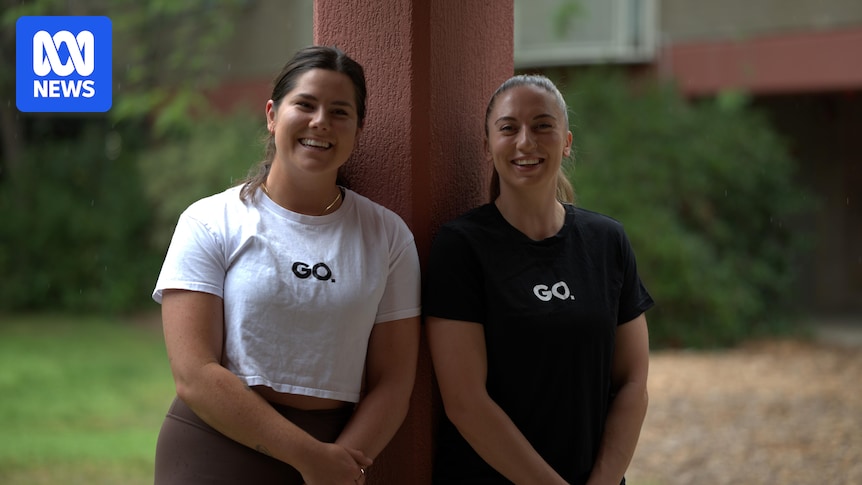

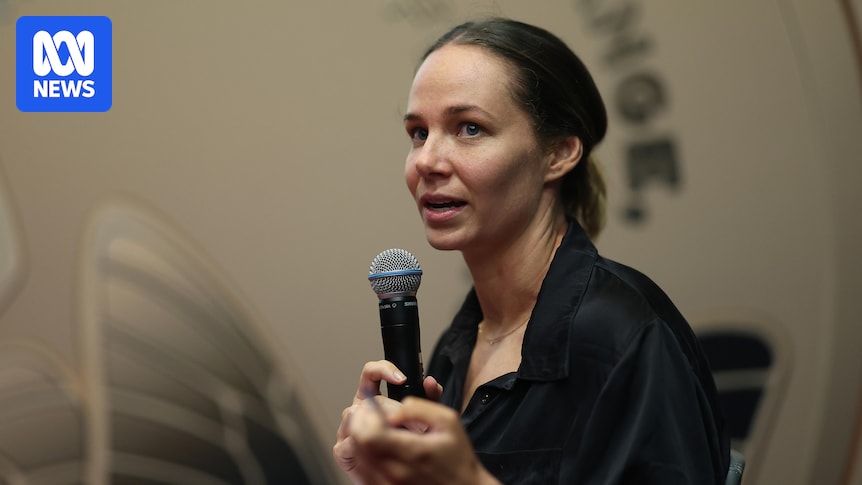
When Chloe Dalton returned from the Rio 2016 Olympics as part of the Australian women’s rugby sevens gold medal-winning team, she thought her future was secure. Upon her return, she recalls being told, “You’re an Olympic gold medallist, you’re never going to have to work a day in your life. There’s gonna be sponsors coming at you left, right and centre!” Reflecting on this, she describes it to ABC Sport as “the most ridiculous thing.”
“I think there was a tiny part of me that believed them, and maybe hoped that I might get a car deal or something. But I just remember getting home, and there was pretty much nothing,” Dalton shared.
This narrative is all too familiar for many athletes, particularly women, who often need to maintain other jobs to pursue their dreams. Focusing solely on their sport remains a challenge, as highlighted by ABC’s recent Women’s Sport Survey, which found that 39% of the 152 respondents don’t earn anything from sport, with few earning more than $20,000 a year. This forces athletes to juggle jobs to cover living expenses alongside training and competition costs.
The Reality of Being an Elite Athlete
Dalton’s career as a three-code athlete—playing basketball, AFLW, and rugby sevens—led her to create The Female Athlete Project (TFAP), a podcast sharing women athletes’ stories and empowering them through various initiatives. TFAP recently held “athlete summits” in Sydney and Melbourne to support women athletes’ career development, offering advice from player agents, social media companies, and contract lawyers.
“I think there’s a lot more pressure on these athletes to brand themselves, to create more commercial opportunities,” Dalton explained. “It’s this sometimes-unspoken thing that you’re almost expected to be good at it, and work out how to do it without necessarily being given tools and resources to.”
Victoria Momsen, the executive director of the Minerva Network, notes that most women they support are “working in some shape or form” during their high-performance careers. Founded in 2017 by businesswomen following the Rio Olympics success, the network now supports over 1,200 athletes, providing mentorship, educational workshops, and networking opportunities.
“What we’re seeing more of now with the younger ones that are coming through is more entrepreneurial ventures… to own their own time and business,” Momsen said.
This includes starting podcasts, creating businesses like athletic-wear, sport or leadership coaching, or holiday clinics. Dalton notes that globally, athletes are launching merchandise lines and using social media to generate income, while speaking on panels or doing keynote speeches can help “earn a bit of extra cash.”
Showing Up as Your Best Self in Both Careers
Georgia Sheehan, a professional springboard diver, also serves as the head of content and brand at a Melbourne PR agency. Since starting diving at age 10, Sheehan’s parents emphasized balancing sports with education, a mindset she maintains today. Her average week involves training from 6 am to 8 am four days a week before working, followed by training again from 3 pm to 6 pm, and training on Saturday.
Sheehan highlights the importance of flexible work arrangements and setting clear boundaries around her time. “It’s more about not relying on my diving performance alone for my livelihood at the end of the day,” she said. “So working takes the pressure off and actually helps me make better decisions, I think, for my body, my career.”
Momsen adds that meaningful work provides athletes with an alternative focus when things don’t go as planned on the field. “They have that identity on and off the pitch. I’ve seen a few of them really benefit from that first-hand.”
Career Longevity and Sustainability the Goal
The financial burden remains a significant issue for some athletes. Sheehan’s diving covers costs like coaching, nutrition, training, and travel. However, the Australian Sports Commission’s direct athlete support grant, which aids athletes’ living costs while they train for major events, depends on a top-eight performance target. In 2024, Sheehan narrowly missed the Olympic team by half a point, losing out on a $30,000 grant.
“That’s really hard to miss out on,” she said. “But even that alone is not a full-time salary. It’s not even a part-time salary, so you still need to work on top of that to make up the difference if you want to be independent and live out of home.”
Dalton emphasizes that focusing on side-hustles can divert vital physical and mental energy away from performance. “A lot of the time, women athletes almost get celebrated for having multiple careers, right? And it absolutely is incredible, but unfortunately, it’s the storyline because that’s a necessity for that particular athlete. They’ve had to work and play because they haven’t received enough of a salary.”
Ultimately, the hard work and long hours are not just about sustaining athletes financially in the moment but providing stability and agency. “I’ve recently retired from AFLW, and my work now is still completely in the sport space,” Dalton said. “So I think it’s really cool to be able to set athletes up with the ability to continue working in the sports industry. Because it is such a great industry, I love it. I have the most amazing relationships, friends, colleagues, because of the sporting industry, and it’s something I hope to work in for a very long time.”