




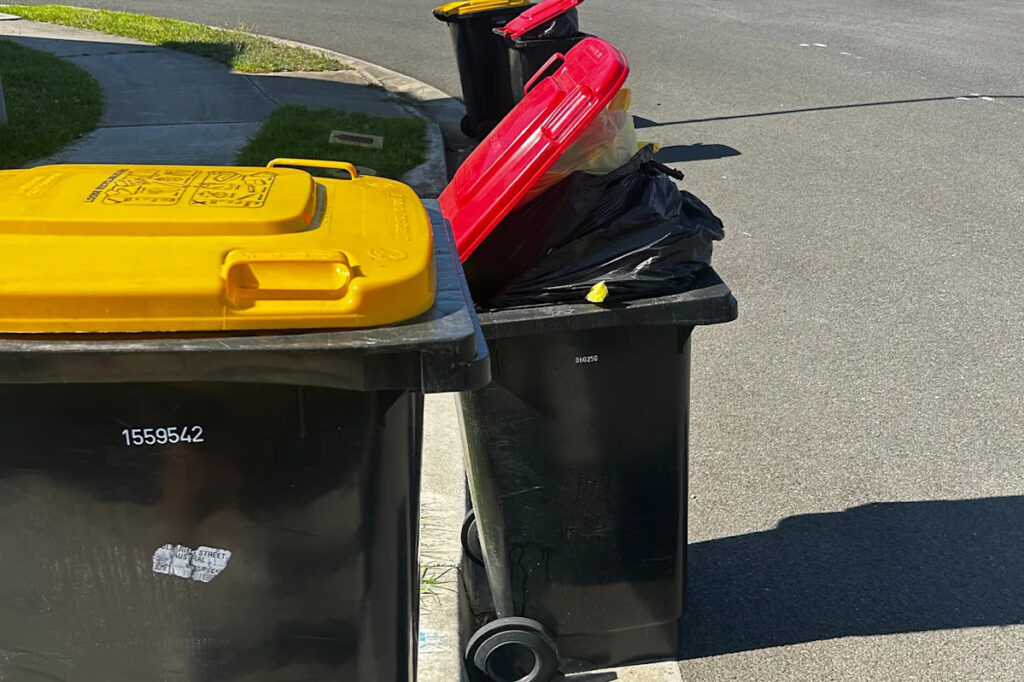
The clock is ticking for New South Wales, Australia’s most populous state, as it grapples with a worsening waste crisis. With landfill space rapidly depleting, some sites are projected to reach capacity by the end of the decade, prompting urgent calls for action. The NSW government has proposed waste-to-energy incinerators as a potential solution, suggesting that large volumes of metropolitan rubbish could be transported to regional areas for incineration to generate electricity.
Four locations have been identified as potential sites for these facilities: Parkes in the Central West, Tarago near Goulburn, the former Wallerawang power station site at Lithgow, and Tomago in the Hunter Valley. However, the proposal has sparked significant concern among local councils, community groups, and health advocates who question why regional communities should bear the burden of Sydney’s waste.
Regional Opposition to Waste Incineration
In Sydney, a previous plan for a waste-to-energy facility in the city’s west was abandoned due to unresolved health risks. Parkes Mayor Neil Westcott is among the vocal opponents of the current proposal, questioning why his town should assume the risk. “If it’s not safe to have it in Sydney, put bluntly, it’s not safe to have [it] in Parkes,” he told the ABC. “Most major cities around the world have them. What’s so precious about the Sydney basin?”
Similar objections have been raised by locals and farmers, with some labeling the idea “crazy.” The councils of Goulburn Mulwaree and City of Lithgow have also reportedly opposed the incinerators in their areas. Despite this, a spokesperson from the NSW Environment Protection Authority (EPA) emphasized the urgency of the situation, noting that Greater Sydney could run out of landfill space within four years.
NSW EPA’s Strategic Approach
The NSW EPA supports the government’s strategic approach to waste management, which includes the role of energy from waste to reduce landfill reliance and enhance resilience. The authority is finalizing amendments to confirm the first four precincts where large-scale energy from waste facilities can be developed. Any proposed facility will undergo a rigorous merit-based assessment by the Department of Planning, Housing and Infrastructure (DPHI), including detailed environmental assessments and public consultation.
“NSW has some of the world’s best-practice environmental standards for energy from waste, including some of the most stringent emission limits in the world,” the EPA spokesperson stated.
All facilities are required to meet relevant state and national air emission standards, designed to protect human health and the environment. However, health and environmental organizations continue to urge caution.
Health Concerns and International Context
The Public Health Association of Australia has warned that while newer incinerator technology is more advanced, there remains limited evidence about the long-term health impacts of sustained exposure to emissions. Older incinerators have been linked to certain cancers and birth defects, raising concerns about the safety of newer plants.
Internationally, waste-to-energy is under scrutiny. While thousands of incinerators operate worldwide, particularly in Europe, more than 150 organizations signed an open letter to the European Commission in 2025, calling for a temporary halt on new plants. Despite this, some advocates argue that the technology is well understood and tightly regulated.
Parkes Energy Recovery, the consortium selected to develop the proposed Parkes facility, asserts that emissions would remain well within safe limits. The company plans to export an estimated 700,000 tonnes of Sydney’s red-bin waste to Parkes annually by rail. They have committed to conducting extensive environmental and health studies before submitting a formal application.
Economic Implications and Parliamentary Scrutiny
Supporters within regional communities point to potential economic benefits, including construction jobs, ongoing employment, and investment in regional economies. The issue is now under parliamentary scrutiny, with a NSW parliamentary committee examining waste-to-energy technology, emissions standards, and potential health impacts.
A spokesperson for the Department of Planning, Housing and Infrastructure noted that the Energy from Waste (EfW) proposal in Parkes is still in the early planning stages, with no development application lodged yet. “Any DA received by the Department will be exhibited, and the community, Parkes Shire Council, and government agencies will be invited to provide feedback,” they stated.
As New South Wales navigates this complex issue, the balance between environmental sustainability, public health, and economic opportunity remains at the forefront of the debate. The outcome of this proposal could set a precedent for waste management strategies across Australia.