


Researchers have uncovered a groundbreaking type of visual cell in deep-sea fish larvae, potentially reshaping our understanding of vertebrate vision systems. This discovery, led by Dr. Fabio Cortesi from The University of Queensland’s School of the Environment, could pave the way for advancements in camera technology and medical treatments.
For over 150 years, it has been widely accepted that vertebrate vision relies on two types of cells: cones, which function in bright light, and rods, which are used in darkness. However, the new study reveals a third type of photoreceptor, a hybrid cell that optimizes vision in twilight conditions by combining the genetic and structural features of both cones and rods. This unique cell is particularly efficient in low-light environments.
Revolutionizing Our Understanding of Vision
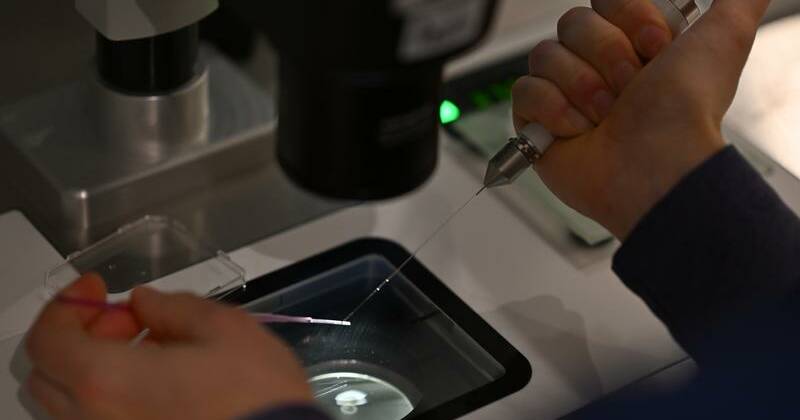
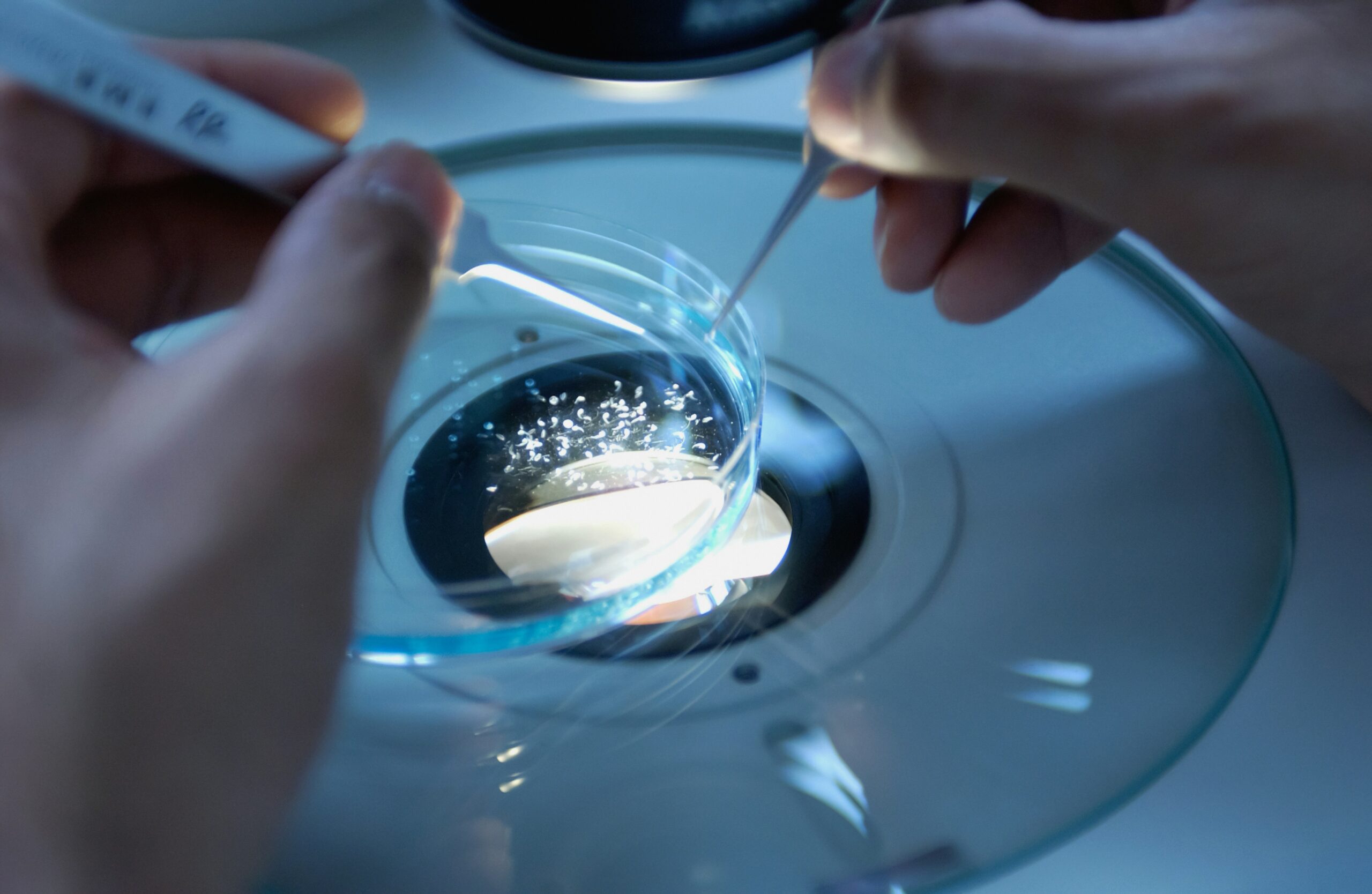
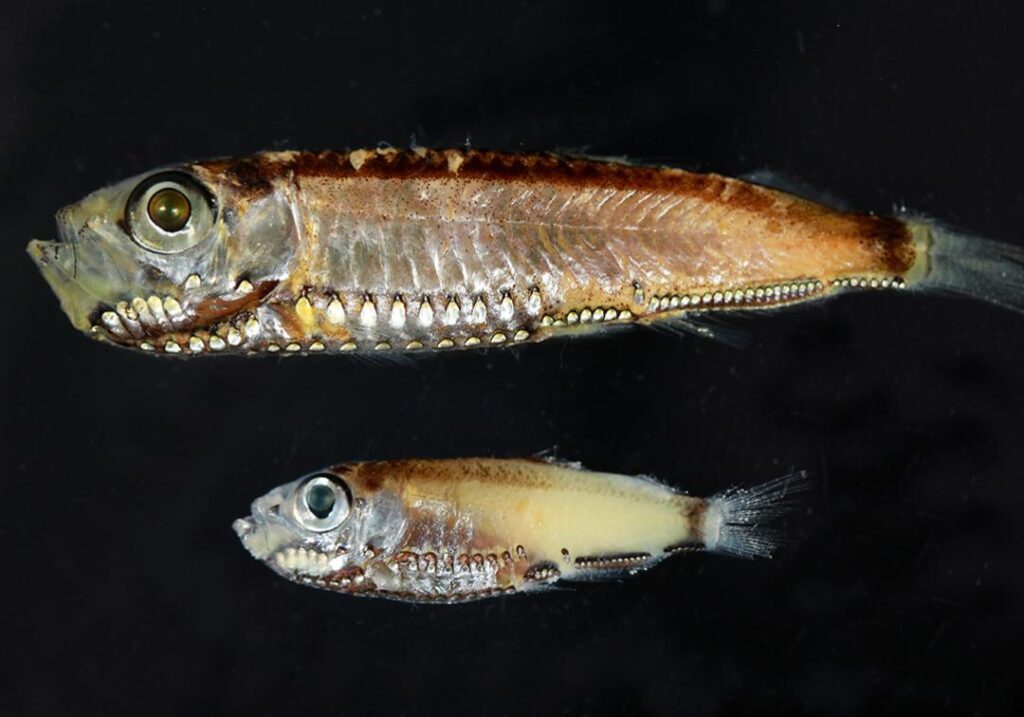
The research team, including Dr. Lily Fogg and Dr. Fanny de Busserolles, conducted their study by examining the retinas of fish larvae from the Red Sea, collected at depths ranging from 20 to 200 meters. These larvae, measuring only half a centimeter in length, possess eyes smaller than a millimeter, presenting significant challenges for the researchers.
Dr. Fogg explained the importance of understanding the development of these visual cells: “In adulthood, some of these fish descend to depths of up to 1 kilometer, where they must optimize their vision for near-total darkness. We aimed to explore how their vision develops in the half-light conditions closer to the surface, where they feed and grow before descending into one of the dimmest and largest habitats on Earth.”
Implications for Technology and Medicine
Dr. Cortesi emphasized the potential applications of this discovery, noting its relevance to both technology and medicine. He stated, “This finding is fascinating because it builds on the little we know about the deep sea, but there are also practical applications for this knowledge.”
In technology, the unique structure of these hybrid cells could inspire the development of more efficient cameras or goggles designed for low-light conditions without compromising image clarity. In the medical field, understanding how these fish construct such visual cells in the high-pressure deep-sea environment could reveal new biological pathways relevant to human eye conditions like glaucoma.
“In technology, creating sensors based on this unique cell structure could lead to more efficient cameras or goggles for low-light situations without sacrificing image sharpness,” Dr. Cortesi explained.
A New Frontier in Visual Science
This discovery challenges long-held beliefs about vertebrate vision and opens new avenues for research. The hybrid cells’ ability to function efficiently in twilight conditions suggests that there may be more to learn about the visual systems of other deep-sea creatures, potentially leading to further breakthroughs in both scientific understanding and practical applications.
As researchers continue to explore the depths of the ocean, the findings from this study may serve as a catalyst for future innovations across various fields. The implications for technology and medicine underscore the importance of interdisciplinary research and its potential to drive progress in unexpected ways.
Looking ahead, the research team hopes to delve deeper into the genetic mechanisms behind the development of these hybrid cells, with the aim of translating their findings into tangible benefits for both technology and healthcare.