


Researchers at the Chinese Academy of Sciences (CAS) have unveiled a groundbreaking biodegradable implant that could transform the recovery process for severe muscle injuries. The innovative system, named MD-ES (muscle defect-electrical stimulation), addresses a significant challenge in sports medicine: delivering sustained electrical stimulation to deep-tissue injuries without relying on cumbersome external batteries or necessitating a second surgery for hardware removal.
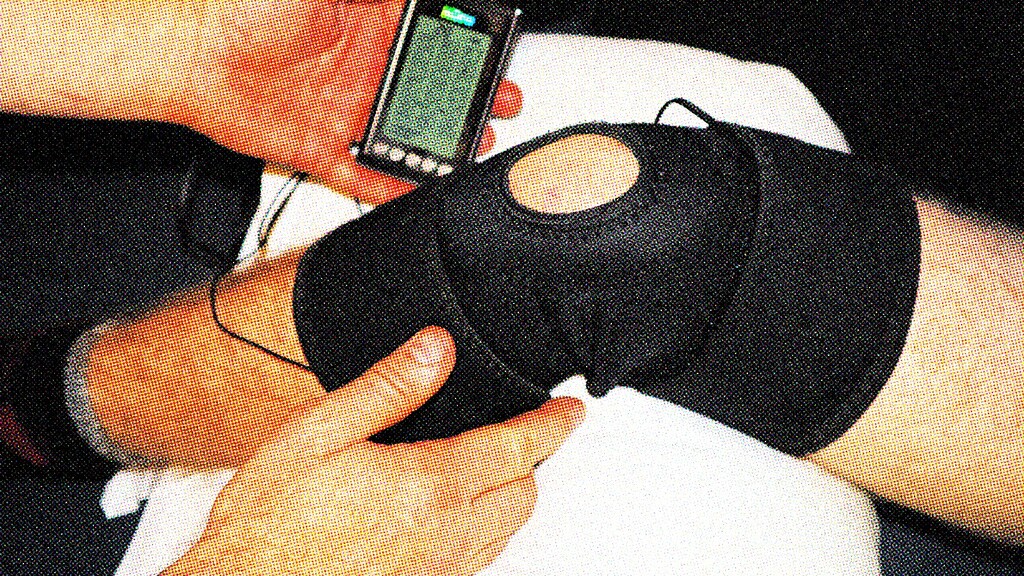
The announcement comes as the field of regenerative medicine continues to seek less invasive solutions for muscle repair. The MD-ES device operates as a closed-loop therapeutic system, featuring a piezoelectric film crafted from a chitosan composite and a conductive silk-fibroin hydrogel scaffold. When implanted near a joint, this film captures energy from the patient’s natural movements—such as knee extensions or shoulder shrugs—to generate a stable 500-millivolt electrical signal.
How the Implant Works
This harvested energy is then transmitted to the scaffold at the injury site, where it stimulates myoblast proliferation, promoting the growth of muscle cells, and provides a physical structure for new tissue attachment. The system’s self-sufficiency and biodegradability mark a significant advancement over existing technologies.
The MD-ES system facilitated complete recovery from severe muscle defects in rats within 14 days, a notably faster timeline compared to traditional rehabilitation methods.
Clinical Trials and Future Implications
In clinical trials involving rats, the MD-ES system demonstrated remarkable efficacy, facilitating full recovery from severe muscle defects within just 14 days. More importantly, the entire system was safely absorbed by the body’s metabolic processes within four weeks of implantation, eliminating the risks of infection or mechanical failure associated with permanent metallic implants.
This development follows a growing interest in transient bio-electronics—smart devices designed to perform clinical functions and then naturally degrade. The potential applications of this technology extend beyond trauma recovery, offering promising possibilities for the wearable and health tech industries.
Expert Insights and Durability
Professor Bai Shuo, the study’s lead researcher, highlighted the device’s durability, noting that it maintained stable performance across 5,000 pressure cycles. This places the MD-ES among the most robust bio-harvesting systems reported to date. As clinical trials progress to human subjects, this kinetic-powered implant could offer a streamlined recovery path for athletes and elderly patients experiencing volumetric muscle loss.
“The device’s ability to harness kinetic energy and promote muscle regeneration without additional surgeries is a game-changer,” said Professor Bai Shuo.
Broader Impact and Future Directions
The move represents a significant step forward in the development of bio-implants that integrate seamlessly with the body’s natural processes. As the technology advances, it could pave the way for new treatments in various medical fields, reducing the need for invasive procedures and enhancing patient outcomes.
Meanwhile, the success of the MD-ES system underscores the potential of biodegradable implants in medicine. As researchers continue to refine these technologies, the prospect of surgery-free recovery could become a reality for millions of patients worldwide.
Looking ahead, the integration of such bio-implants into mainstream medical practice could revolutionize how we approach muscle injuries, offering a more sustainable and patient-friendly alternative to current methods.