



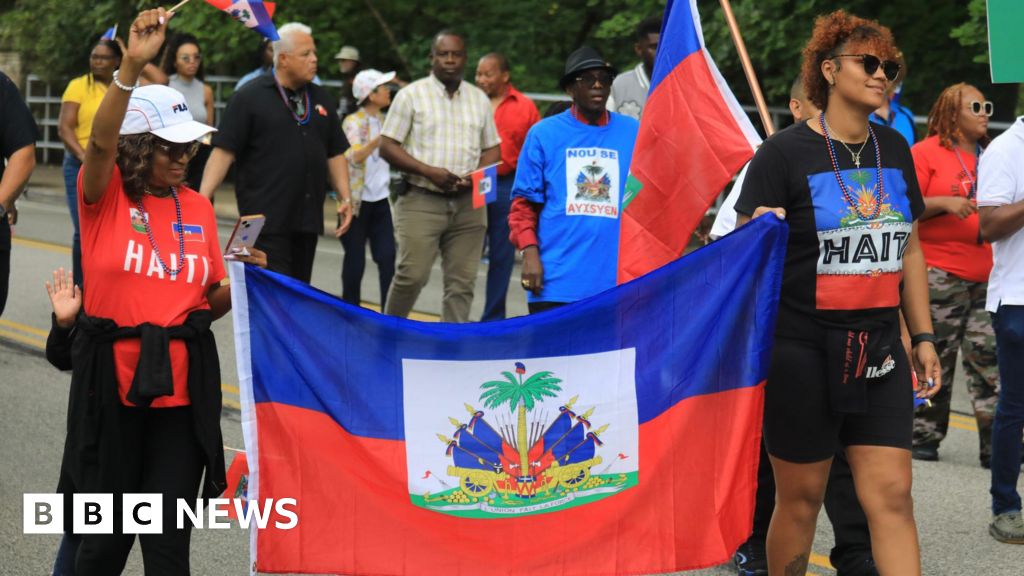
A federal judge has temporarily blocked the Trump administration’s efforts to terminate deportation protections for over 350,000 Haitian immigrants. These individuals are currently allowed to live and work in the United States under the Temporary Protected Status (TPS) program. The ruling came just one day before the protections were set to expire.
US District Judge Ana Reyes stated that the Department of Homeland Security lacked the necessary legal and factual basis to justify ending the TPS for Haitians. “Plaintiffs charge that Secretary [Kristi] Noem preordained her termination decision and did so because of hostility to nonwhite immigrants. This seems substantially likely,” Reyes wrote in her decision.
Understanding Temporary Protected Status
TPS is a designation that prevents the deportation of immigrants to countries deemed unsafe due to natural disasters, armed conflicts, or other crises. Haiti was granted TPS following the catastrophic earthquake in 2010, which left the nation in turmoil. The status has been extended multiple times, with the most recent extension occurring in 2021 under the Biden administration.
The Trump administration has argued that TPS has been misused, claiming it has become a pathway to permanent residency, contrary to Congress’s original intent. This view has sparked significant controversy, as the program was initially designed to provide temporary refuge to individuals from countries experiencing extraordinary conditions.
Legal Battle and Implications
In her scathing 83-page ruling, Judge Reyes denied the Trump administration’s motion to dismiss the lawsuit, allowing the deportation protections to remain in place while the case proceeds through the courts. The plaintiffs, five Haitian TPS holders, argue that the decision to end TPS was driven by racial bias and a disregard for the humanitarian crisis in Haiti.
The case highlights ongoing tensions around immigration policy in the United States, particularly regarding the treatment of migrants from countries facing severe challenges. The Trump administration has sought to dismantle several TPS programs, potentially affecting hundreds of thousands of migrants from countries such as Afghanistan, Ethiopia, Honduras, Myanmar, Nepal, South Sudan, Syria, and Venezuela.
Expert Opinions and Historical Context
Immigration experts argue that terminating TPS for Haitians would be detrimental not only to the individuals affected but also to the broader US economy. Many TPS holders have established deep roots in American communities, contributing to the workforce and economy. “Ending TPS for Haitians would disrupt families and communities, leading to significant economic and social repercussions,” said immigration policy analyst Dr. Maria Gonzalez.
Historically, the United States has used TPS to provide temporary relief to individuals from countries experiencing extraordinary crises. The program has been a critical lifeline for many, offering a safe haven while their home countries recover from disasters or conflicts. The current legal battle underscores the ongoing debate over the balance between humanitarian aid and immigration control.
Future Prospects and Next Steps
The temporary block on ending TPS for Haitians offers a reprieve for those affected, but the future remains uncertain. As the case moves through the legal system, the outcome could set a precedent for how TPS is administered and challenged in the future. Meanwhile, the Biden administration has indicated a willingness to review and potentially extend TPS designations, signaling a shift in policy direction.
For now, Haitian TPS holders and their advocates remain vigilant, hopeful that the courts will uphold the protections that have allowed them to build lives in the United States. The broader implications of this case may influence future immigration policies and the treatment of migrants from crisis-stricken nations.