



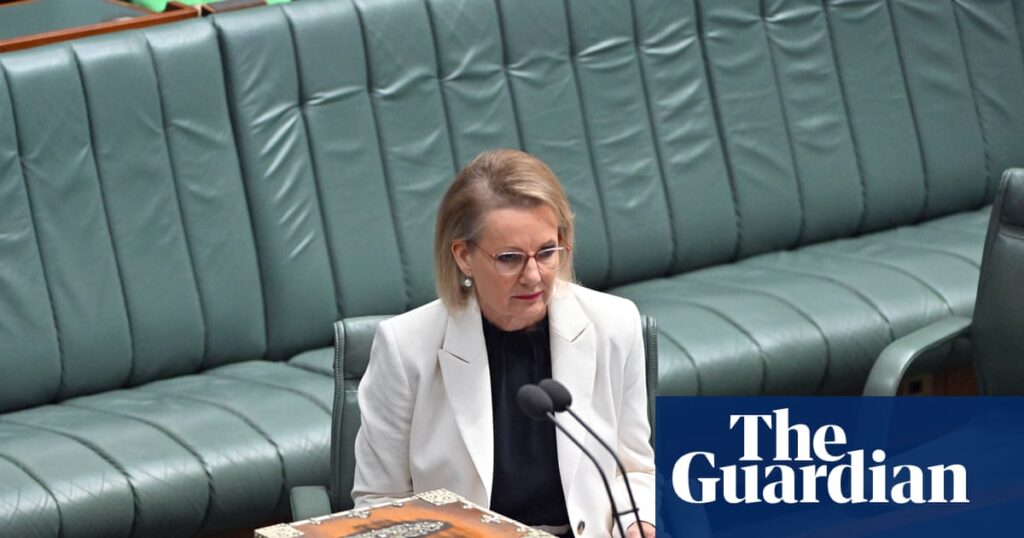
The Liberal Party is teetering on the edge of a significant leadership change, with Angus Taylor’s supporters expressing confidence in unseating Sussan Ley during a crucial leadership vote scheduled for Friday. By Thursday evening, Ley’s position was severely weakened as ten members of her frontbench, including prominent figures like Dan Tehan and Michaelia Cash, resigned to back Taylor’s leadership bid.
The upcoming vote, set to take place after 9 am on Friday, could hinge on just a few critical votes. Ley’s allies are reportedly struggling to counteract the momentum building among conservatives eager for a shift in the party’s direction and image. Taylor, who resigned from the frontbench on Wednesday night, formally announced his leadership ambitions via a social media video on Thursday morning.
Leadership Battle Intensifies
Despite the mounting challenge, Ley has remained largely silent, aside from agreeing to a special party room meeting to facilitate the leadership vote. Her deputy, Ted O’Brien, also faces a potential leadership challenge, with contenders like Victorian Senator Jane Hume and frontbencher Dan Tehan expected to vie for the position. Former Environment Minister Melissa Price has also confirmed her candidacy for deputy leader.
Tehan, upon resigning, issued a stark warning to the party, emphasizing the need for immediate unification and a strategic pivot to hold the Albanese Labor government accountable.
“We need to immediately unify, hold this dreadful Albanese Labor government to account, develop a policy manifesto true to our values, and make us match-fit to win elections,”
he stated.
Internal Dynamics and Party Support
James McGrath’s resignation from the frontbench further undermined Ley’s leadership. McGrath, a key strategist and supporter of Ley, cited the need for change as being in the best interest of the nation and the Coalition.
“While I realise this news won’t please everyone, it is important that Australia has a strong and effective opposition,”
McGrath remarked.
During a subdued question time, Ley attempted to critique Labor while participating in commemorations for the Rudd government’s national apology to the Stolen Generations. Meanwhile, Labor criticized the Liberal Party’s internal strife as Parliament reviewed the latest Closing the Gap report on Indigenous disadvantage.
Potential Outcomes and Historical Context
For the spill motion to succeed, a majority of the party room must vote to vacate the leadership. Should this occur, Ley might choose not to contest the subsequent leadership ballot, acknowledging the spill as a de facto vote of no confidence in her brief nine-month tenure. Such a scenario could see Taylor elected unopposed. If Ley is ousted, she would become the second shortest-serving Liberal leader, following Alexander Downer’s brief leadership in the 1990s.
Speculation is rife that Ley might consider leaving politics altogether if she loses, potentially triggering a challenging by-election for Taylor in a rural constituency. Ley’s remaining support includes frontbenchers Andrew Wallace, Julian Leeser, Paul Scarr, and Andrew Bragg. Conversely, Taylor’s backing extends beyond the nine MPs who resigned, with conservatives like Jacinta Nampijinpa Price and Tony Pasin rallying behind him.
Implications for the Liberal Party’s Future
Senator Paterson, a vocal supporter of Taylor, emphasized the urgency of the situation, declaring,
“Angus is the smartest policy brain in the shadow cabinet, a man of courage and values. And most importantly, Angus understands this is a change or die moment for the Liberal party.”
Key undecided votes include New South Wales Senator Dave Sharma and rising right-wing figure Simon Kennedy.
Should Jane Hume ascend to the deputy leadership, she might replace Michaelia Cash as the Coalition’s Senate leader, potentially safeguarding her preselection and surpassing Paterson in upper house leadership. Conservatives are pressing for the new leader to swiftly unveil policies addressing cost-of-living and immigration, criticizing Ley’s focus on net-zero debates and internal divisions with the Nationals.
The Liberal Party’s leadership vote on Friday could mark a pivotal moment, not only for the party’s immediate future but also in shaping its long-term strategies and policies as it seeks to regain traction against the ruling Labor government.