




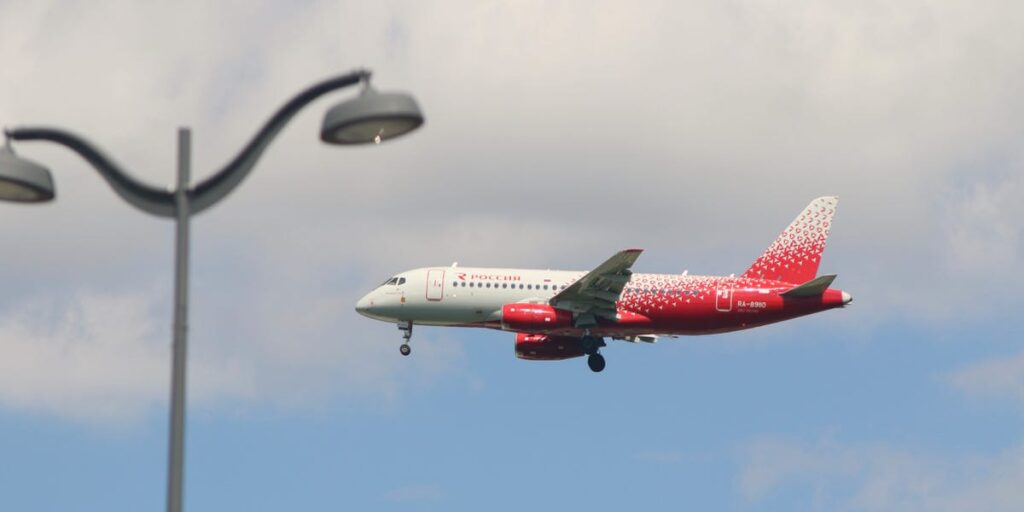
Moscow’s civil aviation authority announced on Wednesday that two major Russian airlines are facilitating the repatriation of Russian citizens from Cuba due to a jet fuel shortage affecting the island. The agency, Rosaviatsia, confirmed that Rossiya Airlines has adjusted its flight schedule “to ensure the evacuation of Russian tourists currently in Cuba.”
Rossiya Airlines, part of the Russian aviation giant Aeroflot, along with Nordwind Airlines, a luxury Russian carrier, declared they would suspend flights to Cuba, offering only one-way tickets from the island. Both airlines cited “difficulties with refueling aircraft in Cuba” as the reason for this decision.
“Starting February 12, a number of one-way return flights will be operated from Havana and Varadero to Moscow to accommodate Russian tourists currently in Cuba,” stated Rossiya Airlines.
Impact on Russian Tourists
Nordwind Airlines specified that it would conduct repatriation flights from popular resort locations such as Varadero, Holguin, and Cayo Coco. The Russian Union of Travel Industry estimated last week that at least 4,000 Russian tourists are currently in Cuba, highlighting the scale of the operation.
The announcements followed a warning from Cuban aviation authorities on Monday that the island would face a month-long shortage of jet fuel at international airports. This situation has forced airlines to reconsider their operations, with Canadian carriers like Air Canada, WestJet, and Air Transat also canceling flights to Cuba and planning to send empty planes to retrieve passengers.
Geopolitical Context
Cuba’s reliance on Venezuela for oil has been severely disrupted since January 3, following the capture of Venezuelan President Nicolás Maduro by US forces. Mexico, the second-largest oil supplier to Cuba, also halted exports after President Donald Trump imposed tariffs on countries exporting oil to Havana.
Amidst these challenges, Russia has been working to strengthen its economic and trade ties with Cuba, encouraging Russian companies across various sectors to establish operations on the island. This move is part of a broader strategy by Moscow to expand its influence in Latin America, especially as it faces international sanctions due to its conflict with Ukraine.
In September, Ukrainian intelligence reported that the Kremlin had recruited over 20,000 Cuban citizens as mercenaries to fight against Kyiv’s forces, marking Cuba as a significant supplier of foreign fighters.
International Reactions
The current crisis in Cuba has drawn international attention. President Trump recently indicated that his administration is in discussions with Cuba, aiming to increase pressure on the island. “I think we’re going to make a deal with Cuba,” he told reporters earlier this month.
China has also voiced its stance on the situation. A spokesperson for the Chinese foreign ministry condemned the “inhumane actions” that deprive the Cuban people of their rights, stating that Beijing would continue to support Cuba.
“China will, as always, do our best to provide support and assistance to Cuba,” said spokesperson Lin Jian.
Future Implications
The evacuation efforts by Russian airlines are expected to continue until at least February 24, with Rossiya Airlines organizing multiple one-way flights from Cuban airports to Moscow. Both Rossiya and Nordwind have promised refunds to affected passengers and are exploring alternative options to resume regular flights in the future.
This situation underscores the fragility of Cuba’s energy supply chain and its geopolitical dependencies, which have broader implications for international relations in the region. As the fuel crisis unfolds, it remains to be seen how Cuba will navigate these challenges and what role its allies will play in mitigating the impact.