


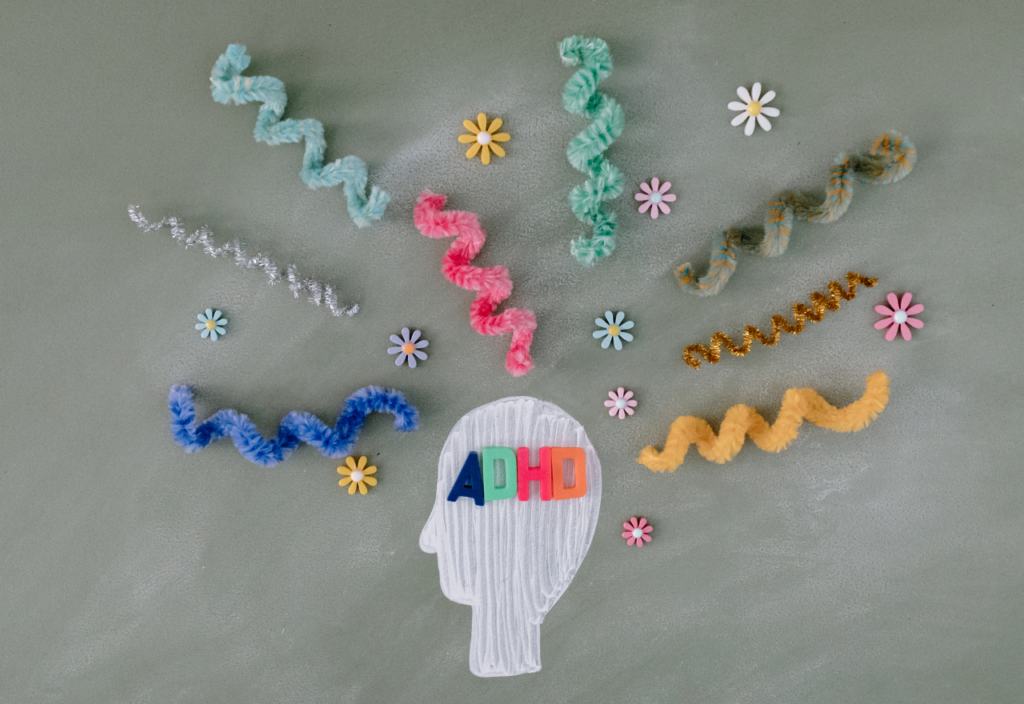
In a significant move to enhance healthcare accessibility, nearly 600 general practitioners (GPs) in New South Wales (NSW) have expressed interest in training to diagnose attention deficit hyperactivity disorder (ADHD) starting March 1. This initiative aims to provide a more cost-effective and streamlined pathway for diagnosing children with ADHD, particularly benefiting families in regional, rural, and remote areas.
The announcement comes as part of a broader reform to improve ADHD care across the state. Already, over 800 GPs have been trained to issue repeat prescriptions for ADHD medication, a change that has facilitated access to essential treatments without the need for specialist consultations. Since the inception of this reform on September 1, 2025, more than 5,000 patients have benefited, with over 18,000 prescriptions filled.
Addressing Long-standing Challenges in ADHD Care
Historically, obtaining an ADHD diagnosis has been a cumbersome process, often involving lengthy wait times and high costs associated with specialist consultations. These barriers have delayed treatment, impacting children’s academic performance and long-term mental health. The current reform seeks to alleviate these issues by empowering GPs to diagnose and manage ADHD more efficiently.
According to Minister for Health Ryan Park, the reform is a crucial step in expanding the capacity of the healthcare system. “With nearly 600 GPs already expressing their interest to receive training to diagnose ADHD, and over 800 already trained to prescribe ongoing medication, these reforms are expanding capacity to support the greater health system,” he stated.
Prioritizing Regional and Rural Communities
The focus on training GPs in regional and rural areas is a deliberate effort to address disparities in healthcare access. Minister Park emphasized the importance of this initiative, noting that families in these communities face significant challenges in accessing ADHD diagnosis services. “As part of this next step, we’re prioritising training of GPs in the bush so families can get the care they need closer to home,” he added.
Minister for Mental Health Rose Jackson echoed these sentiments, highlighting the positive feedback received from the initial phase of reforms. “Feedback from everyone involved in these reforms so far has been incredibly positive, with some going as far as saying it’s been life-changing for managing their treatment,” she said.
Expert Opinions on the Reform’s Impact
Dr. Rebekah Hoffman, Chair of the Royal Australian College of General Practitioners (RACGP) NSW & ACT, underscored the significance of these reforms. “The evidence indicates up to 10% of children, and 6% of adults, live with ADHD. This is a common condition that can be diagnosed and managed well by a specialist GP with appropriate training,” she explained.
Dr. Hoffman highlighted the comprehensive nature of ADHD’s impact on individuals, affecting various aspects of life including sleep, education, and social interactions. “GPs are specialists in whole-of-person care, and are well-placed to help patients with ADHD to thrive at school, in university, at work, and at home,” she noted.
Looking Ahead: Training and Implementation
Applications for GPs wishing to enroll in the second stage of the reform remain open, though training spots are limited. NSW Health will cover training costs and offer a remuneration package for those who complete the program. A waiting list will be maintained for future training opportunities, ensuring continued expansion of ADHD care capabilities.
GPs will continue to play a pivotal role in patient care, making specialist referrals and escalating treatment as necessary to ensure comprehensive care. For more information, GPs are encouraged to visit the ADHD care in general practice website or contact [email protected].
As these reforms unfold, the potential for improved ADHD care in NSW is promising, offering hope to thousands of families seeking timely and effective treatment for their children.