


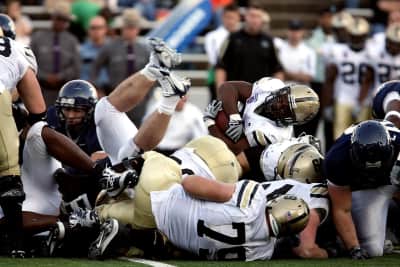
In 2022, Miami Dolphins quarterback Tua Tagovailoa returned to a game against the Buffalo Bills after sustaining a head injury. The NFL later acknowledged that this injury should have been classified as a concussion. Team medical staff and an independent consultant mistakenly attributed his visible instability to a previously reported back injury, rather than a neurological issue. Despite the NFL and players’ association stating that concussion protocol had been followed, the incident highlighted the complexities of diagnosing concussions.
While rules have since been revised to prevent such situations, diagnosing a concussion remains a challenge. However, research out of Florida International University (FIU) aims to change that narrative with an innovative approach.
Revolutionizing Diagnosis: Hear vs. See
It is estimated that more than 50% of concussions in the United States go undiagnosed, with approximately 70% occurring in sports settings. Identifying a concussion during a football or soccer match, whether professional or amateur, can be challenging. On the sidelines, evaluations often rely on brief self-reported symptom checks, such as asking whether an athlete has a headache or feels dizzy, before deciding on their return to play.
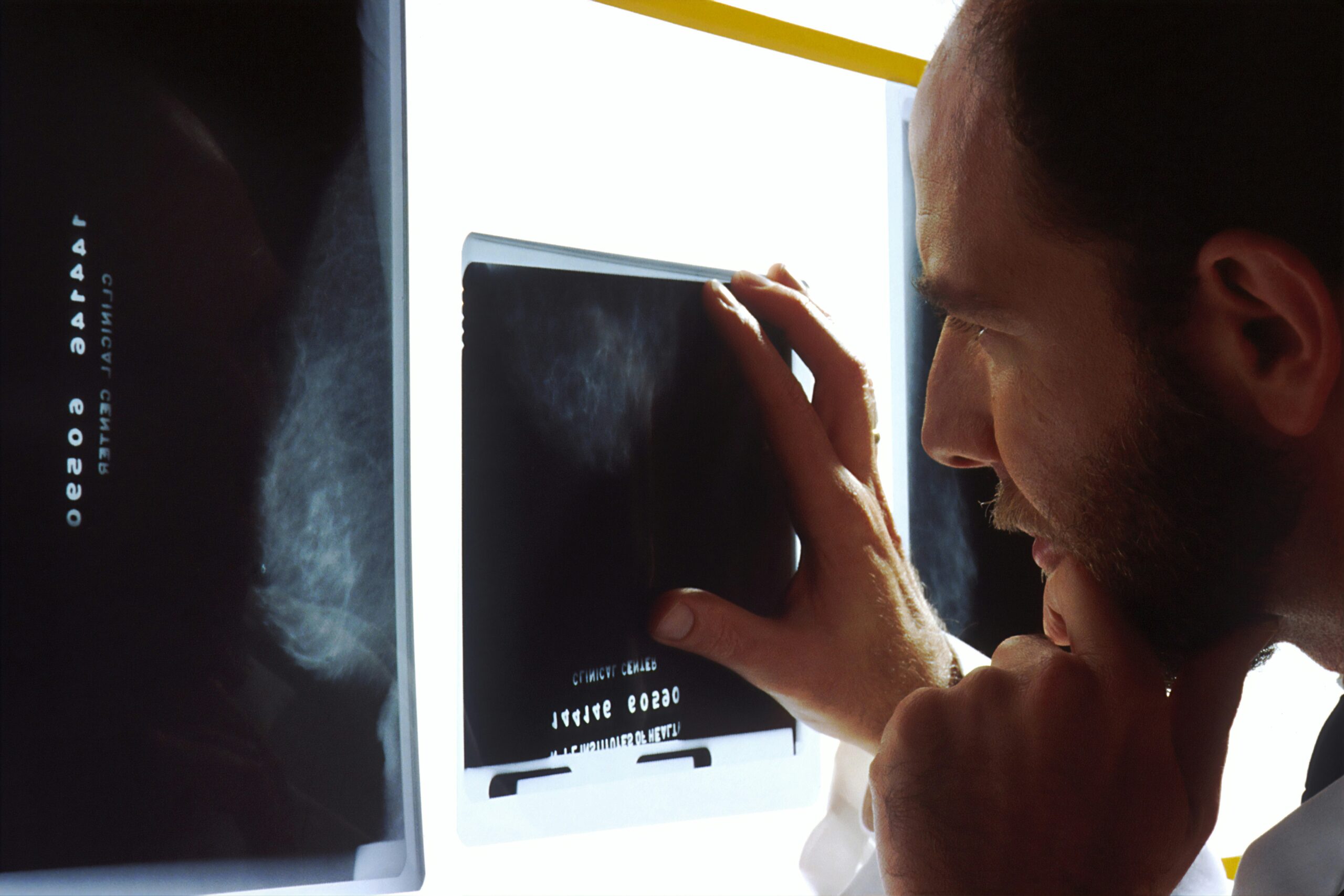
Concussions, classified as mild traumatic brain injuries, can impair cognitive function but do not appear on CT scans or other imaging. Diagnosis often relies on assessments of vision, eye movements, reflexes, and balance.
“The problem is that these tests are not the most accurate,” says Christian Poellabauer, a professor in the Knight Foundation School of Computing and Information Sciences. While severe concussions can be more obvious, such as the reflexive upper-limb “fencing response” exhibited by Tagovailoa on the field during two other episodes, “It’s very difficult to find those more subtle cases,” Poellabauer adds.
“The concern is if you have too many concussions in a row, or if you keep playing and you get another one, that’s going to have long-term effects on your health.”
Although most concussions typically cannot be seen, Poellabauer and his team have made an important discovery: They can be heard.
Better AI, Better Results
Poellabauer began studying the correlation between “speech biosignatures” and the most common form of traumatic brain injury about ten years ago. “We were looking for ways of measuring or detecting concussions that are a little bit more foolproof,” recalls the computer scientist who focuses on developing novel healthcare solutions.
He landed on speech biosignatures, which capture subtle acoustic, phonetic, or linguistic biomarkers unique to an individual. While sometimes likened to fingerprints for their uniqueness, speech biosignatures can show changes over time, depending on the presence of illness or injury, and do not remain fixed like fingerprints.
Poellabauer’s research group collected several voice samples from hundreds of high school and college athletes, including those involved in boxing, tackle football, lacrosse, rugby, and cheerleading, both before and during their respective seasons. The data reflected test subjects who experienced confirmed concussions and control subjects who did not.
Comparisons between individuals’ two sets of data showed differences in measures such as amplitude, frequency (pitch), and vibration for those who had documented brain trauma. Imperceptible to the human ear, these variations were captured by artificial intelligence.
With the rapid improvement of machine learning, Poellabauer’s earlier research has accelerated in recent years. The tool is currently able to correlate changes in voice to cases of brain injury with greater than 90% accuracy.
Doctoral candidate Rahmina Rubaiat is advancing the research by working to identify a single word or sound that could be used for both baseline and diagnostic samples. Participants in the original study had been recorded verbalizing eight different words, phrases, and sounds.
Simplifying the test would allow athletic trainers or other personnel to easily take a sample from each team member in the pre-season and store it on a tablet using an app for comparison with the same simple test repeated in the event of an incident, Rubaiat explains. Results would indicate the degree of injury – mild, moderate, severe – to inform a rest and recovery period. Retesting could continue until measures return to baseline.
No concussion should ever be ignored, Rubaiat emphasizes. “A severe concussion or mild back-to-back concussions, after a few years, may lead to experiencing some other neurological impairments,” she says, echoing Poellabauer’s concerns.
Voice: The Next Frontier?
Poellabauer has expanded his research to examine how a voice-based test might diagnose the onset of neurological diseases such as Parkinson’s and Alzheimer’s, both of which show changes in acoustic properties of the voice with progression. His work might even help to distinguish when someone with a neurodegenerative disorder might have the added trauma of a concussion from, for example, a fall.
Outside interest has focused on the possible application of his findings to assess neurological impairment caused on the job in fields with inherent physical dangers such as law enforcement, fire service, the military, and construction. The implications of this research could be vast, offering a quick, non-invasive, and highly accurate diagnostic tool that could revolutionize how concussions and other neurological conditions are detected and managed.
As the technology continues to develop, its potential applications could extend far beyond sports, offering a new frontier in the early detection and management of brain injuries and diseases.