



Australia’s national science agency, the Commonwealth Scientific and Industrial Research Organisation (CSIRO), is grappling with a critical funding shortfall of “at least” $1 billion over the next decade. This financial gap threatens to undermine its position as a leader in national and international research, driven by deteriorating facilities and the risk of losing its competitive edge.
During a parliamentary inquiry into its funding and resources, the CSIRO warned that without intervention, the agency would be forced to continue redirecting “investment in research capacity to fund some of the significant and ongoing cost increases,” which have already jeopardized its ability to spearhead innovation.
Staff Cuts and Strategic Shifts
In November, the CSIRO announced plans to eliminate 300 to 350 full-time positions across seven research units. This includes up to 32 percent of the Health and Biosecurity team and 21 percent of scientists in the Environment cluster. The anticipated savings from these cuts are separate from the additional funding the agency requires.
Historically, strategic changes would have been reinvested into other research priorities. However, the agency now states it cannot afford to do so, resulting in straightforward cuts. “The proposed strategic changes are, though, intertwined with CSIRO’s budget constraints,” reads the submission to the Senate inquiry dated January 30.
Infrastructure Challenges and Financial Strain
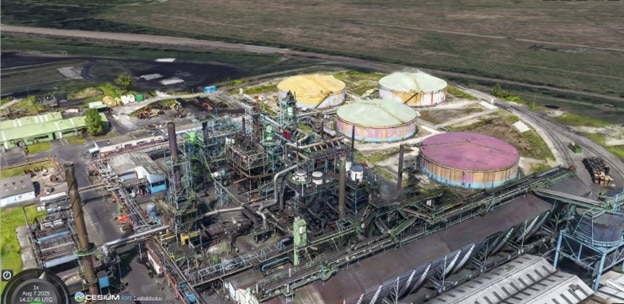
CSIRO’s infrastructure and equipment have suffered from “historical underinvestment,” leading to increased costs and regulatory, security, and health risks. Despite a one-time $233 million budget boost from the federal government in December, CSIRO Chief Executive Dr. Doug Hilton informed staff that this was insufficient.
“We will still need to retain the savings that will come from these changes – reducing our staffing by an estimated 300-350 FTE – while also investing at least an additional $80-135 million per annum over the next 10 years into essential infrastructure and technology,” Hilton wrote.
The agency’s submission, co-authored by Hilton and Government Engagement Director Beth Cribb, highlights decades of underinvestment due to funding constraints and prioritization of research capacity over property and infrastructure. This has largely been funded by selling assets, but further sales are unlikely to yield necessary cash due to remediation costs.
Government Response and Broader Implications
A spokesperson for Minister for Science and Industry Tim Ayres stated that the CSIRO continues to receive nearly $1 billion annually from the federal government. However, in real terms, this funding has decreased significantly over the years, with the agency’s share of government funding halving from approximately 12 to 6 percent.
The CSIRO Staff Association, part of the Community and Public Sector Union, criticized both government neglect and executive oversight for the agency’s current predicament. The association highlighted that recent job cuts, including 818 positions from central enterprise and corporate services, have jeopardized research and community safety.
Former Science Minister Ed Husic, now on the backbench, has been vocal about the need for increased funding. He criticized the government for not adequately supporting the CSIRO, emphasizing the importance of sustained investment for the country’s long-term benefit.
Future Outlook and Challenges
The CSIRO’s struggles are emblematic of broader challenges facing Australia’s research ecosystem. Universities, traditionally a backbone of research, are also experiencing financial strain due to policy changes and funding cuts. As the CSIRO’s share of government funding declines, its ability to maintain its research workforce and infrastructure is severely compromised.
With the agency’s research workforce expected to drop to about 3900 by June, the CSIRO faces a critical juncture. The demand for its research does not diminish with cuts, potentially shifting costs to the government and impacting the quality of scientific expertise available.
As the parliamentary inquiry continues, the future of the CSIRO remains uncertain. The agency’s ability to fulfill its mandate and maintain its role as a leader in scientific research hinges on significant and sustained financial intervention.