




February 13, 2026 — 4:00am
Washington: The Trump administration has announced the cessation of its controversial immigration crackdown in Minnesota, a move that follows two months of intensive operations resulting in over 4,000 arrests and the deaths of two American citizens at the hands of law enforcement. The decision marks a significant shift in federal immigration policy within the state.
President Donald Trump’s border czar, Tom Homan, who was sent to Minneapolis after the second fatality in January, confirmed that the special operation would be wound down in the coming days. “I have proposed – and President Trump has concurred – that this surge operation conclude,” Homan stated at a news conference. “A significant drawdown has already been underway this week and will continue through the next week.”
Political Reactions and Local Impact
Minnesota’s Democratic Governor Tim Walz, a vocal critic of the crackdown, expressed cautious optimism about the operation’s end. “They left us with deep damage, generational trauma. They left us with economic ruin in some cases,” Walz remarked, highlighting plans to activate an emergency fund for small businesses affected by the federal presence.
Walz also called for federal compensation to Minnesota, stating, “The federal government needs to pay for what they broke here. You don’t get to break things and then just leave.” The governor’s comments reflect the broader sentiment of frustration and demand for accountability from the federal government.
Controversial Deaths and Public Outcry
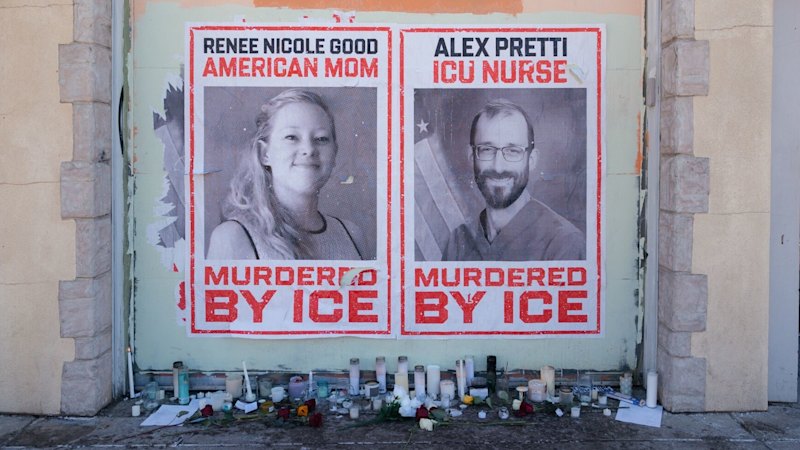
The deaths of protesters Renee Good and Alex Pretti by federal agents have sparked national outrage and international scrutiny. Initially, the Trump administration depicted both individuals as agitators responsible for their own demise. However, mounting public pressure and skepticism from within the Republican Party led to a reevaluation of this stance, particularly following Pretti’s death.
Homan’s deployment to Minneapolis aimed to “de-escalate” tensions in the state, where violent clashes between demonstrators and law enforcement had become a daily occurrence. His appointment replaced Border Patrol commander-at-large Greg Bovino, who, alongside Homeland Security Secretary Kristi Noem and White House homeland security adviser Stephen Miller, had previously labeled Pretti as a “domestic terrorist.”
Operation Metro Surge: Results and Controversies
The White House reported that Operation Metro Surge led to the arrest of over 4,000 individuals identified as illegal alien criminals, including those accused of serious offenses such as murder and rape. However, the administration did not disclose how many of these individuals had been deported.
“The operation also located 3,364 missing, unaccompanied migrant children who were ‘lost’ by the Biden administration,” Homan stated.
Despite these claims, Governor Walz raised concerns about the detention of children by Immigration and Customs Enforcement (ICE), citing the case of five-year-old Liam Conejo Ramos, who was detained with his father and later returned to Minnesota.
“They left us with many unanswered questions,” Walz said. “Where are our children? Where and what is the process of the investigations into those responsible for the deaths of Renee and Alex?”
Public Sentiment and Future Implications
Public opinion polls indicate growing dissatisfaction with Trump’s immigration policies. While many Americans support efforts to secure the southern border and deport violent criminals, there is significant opposition to the mass arrests that have occurred in workplaces, car washes, and farms.
At the height of the operation, as many as 3,000 federal immigration agents were deployed to Minnesota, causing friction not only on the streets but also between law enforcement agencies. Minneapolis, a sanctuary city, typically does not cooperate with federal immigration authorities.
Homan noted that a key factor in ending the operation was the newfound cooperation from state agencies, which now inform federal officials when a non-citizen is about to be released from prison, allowing ICE to make arrests at jails rather than in public spaces.
“As a result of our efforts here, Minnesota is now less of a sanctuary state for criminals,” Homan stated.
While the operation’s conclusion may signal a return to normalcy, Homan emphasized that the administration’s mass deportation policy remains unchanged, targeting all undocumented migrants irrespective of their criminal history. “We will take action on everybody else, that’s just a stone-cold fact,” he asserted.
As immigration enforcement in Minnesota returns to standard levels, with some security forces remaining to protect federal agents, the community’s agitation and protests have reportedly declined. Homan defended ICE agents against what he described as “unfounded complaints” about their conduct in Minnesota, noting that no illegal alien had been arrested in hospitals, schools, or churches.
The announcement marks a pivotal moment in the ongoing debate over immigration enforcement in the United States, with potential implications for future federal and state relations.