

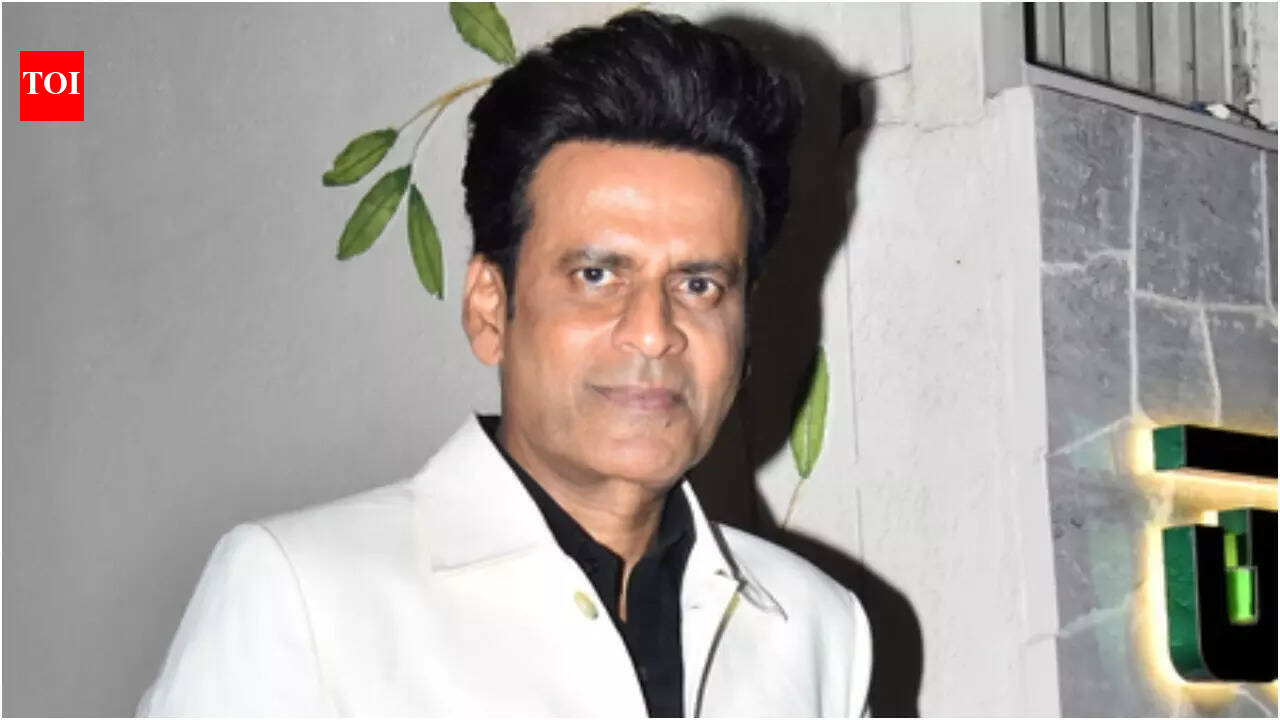



Angus Taylor has emerged victorious in the Liberal Party leadership spill, defeating Sussan Ley with a decisive 34 to 17 vote shortly after 9 am AEDT. Victorian Senator Jane Hume was elected as his deputy, replacing Ted O’Brien with a 30 to 20 vote. This leadership change signals a significant shift within the party, with Taylor and Hume poised to steer the opposition in a new direction.
Sussan Ley, after losing the leadership, announced her resignation from politics, triggering a byelection in the seat of Farrer, a constituency she has represented since 2001. At his inaugural press conference as leader, Taylor hinted at tougher immigration policies, while Hume emphasized a forward-looking approach for the Liberal Party, avoiding a swing to either the political left or right.
Political Reactions and Implications
Prime Minister Anthony Albanese commended Ley for her “grace” and “dignity” on what was undoubtedly a challenging day. Meanwhile, the environment minister sharpened his critique of Taylor, with Labor’s Murray Watt accusing him of making promises of higher taxes and deficits, which he claimed were not merely echoes of Peter Dutton but Taylor’s own declarations.
The political landscape in Farrer is set for a shake-up, with NSW state MP Helen Dalton, an independent, expressing interest in contesting the seat. One Nation leader Pauline Hanson confirmed her party’s intention to contest the byelection, describing the new Liberal leadership as continuing with the same “dead horse.”
Challenges Ahead for Angus Taylor
Angus Taylor’s leadership begins with the task of appointing a new shadow cabinet. Jane Hume, as his deputy, will have first choice of a portfolio, though her role as a senator makes her an unlikely candidate for shadow treasurer. Current shadow treasurer Ted O’Brien, who was Ley’s deputy, may not retain his position. Victorian MP Tim Wilson is reportedly a contender for the role.
This reshuffle marks the fifth change in the Coalition frontbench since May last year, reflecting ongoing instability within the party ranks. Environment Minister Murray Watt criticized Taylor’s past record, arguing that he has yet to demonstrate solutions to the challenges facing Australians, particularly in economic management.
Expert Opinions and Historical Context
Political analysts suggest that Taylor and Hume represent a calculated gamble by the Liberal Party, banking on their ability to rejuvenate the party’s image and policies. However, the opposition risks further decline in the polls if they fail to connect with the electorate on key issues such as economic management and immigration.
Historically, leadership changes within the Liberal Party have often been tumultuous, with the potential to either revitalize or further fragment the party. Taylor’s emphasis on “change or die” suggests a recognition of the need for significant reform to regain voter confidence.
The Farrer Byelection and Broader Political Dynamics
The upcoming byelection in Farrer will be a critical test for the Liberal Party and its new leadership. With Ley’s departure, the seat, which she held with a reduced margin of 6% at the last election, becomes a battleground for various political forces, including independents and One Nation.
Pauline Hanson has expressed confidence in her party’s prospects, despite referring to Farrer as Fowler during a press conference. She highlighted key issues such as the Murray-Darling Basin, agricultural concerns, and the cost of living as central to her campaign strategy.
“I will continue to fight for these rural communities,” Hanson stated, emphasizing the importance of local issues in the byelection.
Hanson also addressed the potential for Coalition MPs to defect to One Nation, asserting that any such move would be carefully scrutinized to ensure alignment with the party’s values and objectives.
Looking Forward: The Future of the Liberal Party
As the dust settles from the leadership spill, the Liberal Party faces a period of introspection and strategic planning. Taylor and Hume’s leadership will be closely watched as they attempt to navigate the complex political landscape and address the challenges facing their party and the nation.
Their ability to unify the party, articulate a clear vision, and connect with voters will be crucial in determining the opposition’s effectiveness and electoral prospects in the coming years. The Farrer byelection will serve as an early indicator of the party’s direction and the public’s response to its new leadership.