



In a tragic incident that has sent shockwaves across Pakistan, a suicide bombing at a Shiite mosque in Islamabad has resulted in the deaths of at least 31 people and injuries to 169 others. The attack occurred during Friday prayers, a time when the mosque was filled with worshippers.
According to Islamabad’s Deputy Commissioner Irfan Memon, the explosion took place at the mosque’s entrance after the attacker was intercepted by security personnel. “The death toll in the blast has risen. A total of 31 people have lost their lives. The number of wounded brought to hospitals has risen to 169,” Memon stated.
The attack has been met with widespread condemnation from Pakistani officials. President Asif Ali Zardari and Prime Minister Shehbaz Sharif both issued statements denouncing the violence and expressing their condolences to the victims’ families. “Targeting innocent civilians is a crime against humanity,” President Zardari said, emphasizing the nation’s solidarity with the affected families.
Details of the Attack
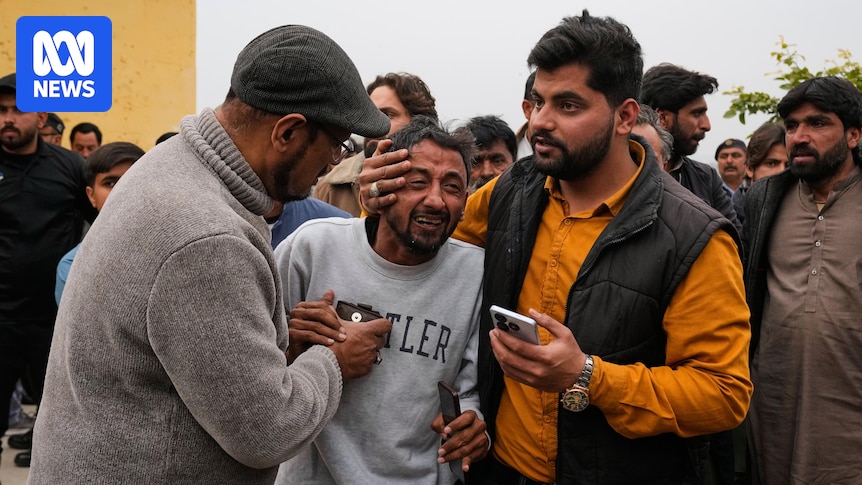
Witnesses described scenes of chaos and devastation as the explosion tore through the mosque. Dozens of injured individuals, some with bloodstained clothes and visible injuries, were seen being transported to nearby hospitals. Television footage and images shared on social media depicted the frantic efforts of police and local residents to assist the wounded.
Two police officials, speaking on condition of anonymity, revealed that the attacker was stopped at the mosque’s gate before detonating the explosive device. Despite the heavy security presence in Islamabad, which has largely been spared from the violence affecting other parts of Pakistan, this attack underscores the persistent threat of militancy.
Context and Background
Pakistan has experienced a surge in militant activities in recent years, with various groups targeting both civilian and military sites. Although no group has claimed responsibility for this latest attack, it bears the hallmarks of sectarian violence that has plagued the country, particularly against the Shiite minority.
Shiite Muslims, who make up a minority in the predominantly Sunni Muslim nation of over 241 million people, have frequently been the targets of sectarian attacks. The bombing in Islamabad is reminiscent of a similar attack on November 11, which resulted in 12 deaths and 27 injuries. That attack was attributed to an Afghan national, though no group claimed responsibility.
Government and Public Response
The government has vowed to bring the perpetrators to justice, with a police investigation currently underway. A police spokesperson confirmed that authorities are working tirelessly to uncover the network behind the attack and prevent future incidents.
Meanwhile, the public outcry has been significant, with citizens and leaders alike calling for increased security measures and greater efforts to combat extremism. The attack has reignited debates about the effectiveness of Pakistan’s counter-terrorism strategies and the need for comprehensive reforms.
Looking Forward
The Islamabad mosque bombing is a stark reminder of the ongoing challenges facing Pakistan in its fight against terrorism and sectarian violence. As investigations continue, there is a renewed call for unity and resilience among the Pakistani people.
Experts suggest that while immediate security measures are necessary, long-term solutions will require addressing the root causes of extremism, including poverty, education, and political instability. The government is expected to announce new initiatives aimed at bolstering national security and fostering interfaith harmony.
As the nation mourns the victims of this senseless tragedy, the resilience and determination of the Pakistani people remain unwavering. The coming days will likely see increased security measures and heightened vigilance as authorities work to prevent further attacks.