


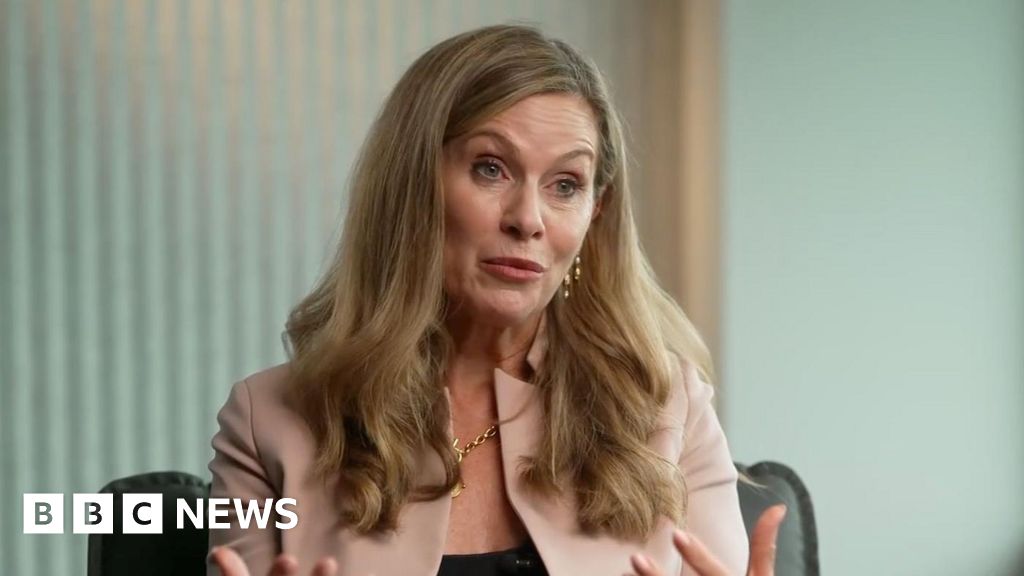
Social media platforms are resisting Australia’s groundbreaking ban on users under 16, fearing it might inspire similar actions worldwide, according to the nation’s internet regulator. “These companies have come to this regime, if you will, kicking and screaming – very, very reluctantly,” eSafety Commissioner Julie Inman Grant told the BBC.
Australia’s policy, which took effect in December, mandates that social media firms block users under 16 from creating accounts. This move, closely monitored by governments globally, aims to protect children from harmful content and algorithms on platforms like Instagram, Snapchat, and TikTok. The UK is considering similar legislation, with the House of Lords recently supporting a ban for under-16s through an amendment to the government’s schools bill.
Global Implications and Industry Pushback
While companies like Meta acknowledge the need for enhanced online safety for young users, they argue against a blanket ban. Some experts share this concern, suggesting that such measures might not be the most effective solution. In a recent update, the Australian government reported that 4.7 million accounts identified as belonging to children had been shut down, declaring the policy a significant success.
Inman Grant highlighted the financial incentives for social media companies to retain young users, describing them as an “incredibly lucrative” market. “They’re building a pipeline for the future, and they do not want this to be the first domino,” she noted, pointing out the lack of a “huge incentive” for companies to fully comply with the ban.
Challenges and Compliance
Despite the legislation’s recent implementation, researchers are closely observing changes in young people’s online behavior. Initial concerns suggested that under-16s might migrate to other platforms, but Inman Grant stated that while there was a spike in downloads of alternative apps, sustained usage did not follow.
There were also fears that children could easily bypass the ban by manipulating age verification systems or seeking out less safe online spaces. Under the law, companies face fines of up to A$49.5 million ($33 million, £24.5 million) if they fail to take “reasonable steps” to enforce the ban. A second series of compliance notices is set to be issued, with Snapchat highlighted as a primary focus.
“[The policy] is certainly exceeding our expectations, but we are playing the long game here,” Inman Grant stated, emphasizing the need for a dynamic regulatory approach to online safety.
Historical Context and Future Outlook
Australia is not the first to attempt restricting children’s social media use, but it is the first to set a higher age limit of 16 without allowing parental approval exemptions, making its regulations the strictest globally. The ban currently covers ten platforms, including Facebook, Instagram, Snapchat, Threads, TikTok, X, YouTube, Reddit, and streaming platforms Kick and Twitch. However, it does not yet extend to dating sites, gaming platforms like Roblox and Discord, or AI chatbots, which have recently been criticized for inappropriate interactions with minors.
Social media companies have consistently opposed the legislation. Meta has suggested age verification should occur at the app store level to reduce compliance burdens, and it has advocated for parental approval exemptions. Although Reddit has complied, it is challenging the policy in Australia’s highest court, arguing it infringes on privacy and political rights.
Australia’s Communications Minister Anika Wells has affirmed the government’s resolve, stating, “We will not be intimidated by big tech. On behalf of Australian parents, we will stand firm,” during a parliamentary session in November.
This development represents a significant shift in how countries approach the regulation of social media, with Australia setting a precedent that could influence global policy. As the situation evolves, stakeholders worldwide will be watching closely to assess the impact and effectiveness of such stringent measures.