

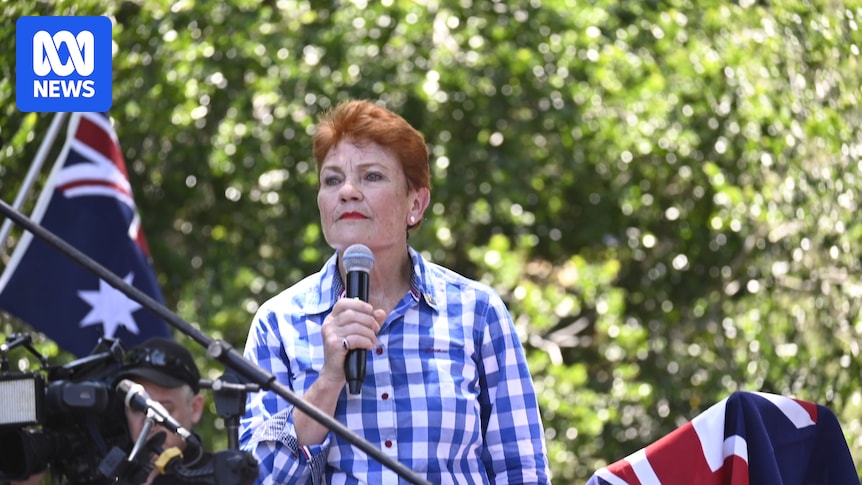
Last week, a poll conducted by the Redbridge Group and published in the Australian Financial Review sent shockwaves through Australian politics. It revealed that Pauline Hanson’s One Nation party had captured 26 percent of the primary vote, surpassing the Coalition’s 19 percent and closing in on Labor’s 34 percent. The poll also showed Hanson with a favorability rating of 38 percent, outpacing Anthony Albanese’s 34 percent.
Particularly surprising was the support from Generation X (ages 46–61), with 48 percent viewing One Nation “very favorably” or “mostly favorably.” Among millennials (ages 30–45), the figure stood at an impressive 30 percent. This surge in support coincides with economic forecasts from the Reserve Bank of Australia (RBA), suggesting a potential resurgence of One Nation, especially among young Australians struggling with housing affordability.
Economic Forecasts and Housing Investment
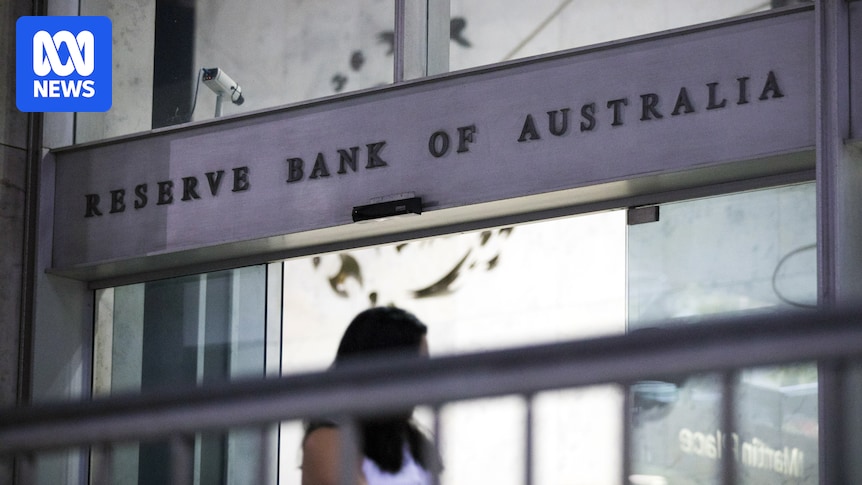
On Tuesday, the RBA adjusted its forecast for dwelling investment growth, reducing it from 2.1 percent last November to 1.8 percent for this year, and from 2.5 percent to a mere 0.3 percent for 2027. The bank predicts a decline of 0.4 percent in dwelling investment by 2028, signaling a significant downturn in home-building.
According to the Australian Bureau of Statistics (ABS), housing approvals increased by 12 percent in 2025, reaching 190,544. However, the RBA’s projections suggest that housing growth this year will be minimal, with an increase to about 194,000, and only 58 additional houses and apartments by 2027. These numbers cast doubt on the government’s ability to meet its National Housing Accord target of 1.2 million homes over five years.
“The central bank is predicting the government will fall well short of its five-year National Housing Accord target of 1.2 million.”
Migration and Housing Demand
The RBA’s forecast for population growth in 2026 and 2027 stands at 1.2 percent, or approximately 325,000 people annually. This figure is derived from Treasury’s forecasts for net overseas migration, combined with estimates of natural population increase.
Immigration expert Abul Rizvi, a former head of the immigration department, projects net overseas migration to be 290,000 this financial year, a 5 percent reduction from last year, and 260,000 in 2027. This level of migration implies a housing demand of 162,500 dwellings, assuming 2.4 people per dwelling, and 150,000 in 2027. If the housing target of 240,000 homes per year were met, it could alleviate the shortage and improve affordability.
However, the RBA’s dwelling investment forecasts complicate this scenario. Given the shortfall in the first 18 months of the five-year plan, the remaining target requires an unlikely 45 percent increase in housing production annually.
The Political Landscape
The rise in One Nation’s popularity, particularly among younger voters, highlights a growing discontent with the current political landscape. Hanson’s appeal lies in her clear stance on reducing migration, resonating with those feeling squeezed out of the housing market.
“30 percent of millennials have a ‘very or mostly favorable’ view of Hanson — she doesn’t have any policies, but she is the only politician talking clearly about reducing migration.”
This sentiment is not necessarily rooted in racism but rather in a desire for solutions and action. Many Australians feel overwhelmed by the influx of temporary visa holders, which they perceive as exacerbating the housing crisis and straining resources.
Historical Context and Future Implications
The seeds of One Nation’s resurgence were sown by the Howard government in the early 2000s, when the first Intergenerational Report highlighted Australia’s aging population problem. The government’s response was to boost immigration, primarily through international students, to support universities financially.
This strategy led to a booming “education export” industry, with universities aggressively recruiting foreign students to enhance their global rankings. However, most of these students, and a small percentage of permanent migrants, do not work in construction, contributing to a housing shortfall.
“According to AMP economist Shane Oliver, there is a cumulative housing shortfall of 220,000, leading to a steady worsening of housing affordability.”
If One Nation were to gain power and implement a net zero migration policy, as seen in Canada, industries reliant on migrant labor, such as hospitality and aged care, would face significant challenges.
Tax Policy and Housing Affordability
Last year, house prices rose significantly due to interest rate cuts, outpacing income growth. Economists predict further rate hikes and a continued rise in house prices, despite wage growth forecasts of 3.6 percent by the RBA.
There is speculation that the government might reduce the capital gains tax (CGT) discount from its current 50 percent. However, economists believe this would only marginally reduce house prices by about 2 percent. The psychological impact of the CGT discount, established in 1999, has entrenched the perception of housing as an investment vehicle rather than just shelter.
With structural budget deficits, reducing the CGT discount could serve as a revenue-raising measure rather than a solution to housing affordability. The question remains: if increasing housing supply and adjusting tax policies are insufficient, how can housing affordability be improved?
The reality is that the high cost of housing may become a permanent feature of Australian life, alongside other global challenges such as climate change and technological advancements.