



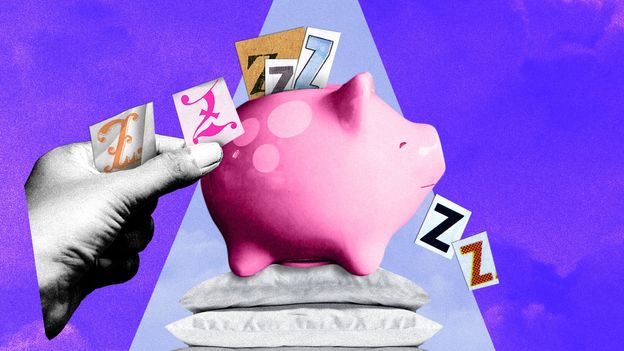
From enhancing focus to boosting sports performance, some scientists suggest that “banking” sleep for future use could offer a range of benefits. As the weekend arrives, many of us relish the chance to turn off the alarm and indulge in extra sleep to recover from a hectic week. But are we approaching this the wrong way? Could it be more beneficial to accumulate extra hours of sleep ahead of busy periods to counteract the effects of sleepless nights?
Sleep banking, which involves sleeping longer over several nights before a period of anticipated sleep restriction, is gaining traction among researchers. They argue that it allows the brain to stockpile essential resources, enhancing alertness and cognitive performance during times of sleep deprivation.
The Rise of Sleep Banking
The concept is gaining popularity among wellness enthusiasts on platforms like TikTok, where users promote sleep banking before long-haul travel or significant work events to boost mental performance or serve as a “safety net” before busy periods.
First introduced in 2009 by sleep researchers at the Walter Reed Army Institute of Research, the idea is akin to topping up a bank account to avoid overdrafts. Led by Tracy Rupp, now at Utah State University, the team explored whether extending sleep before missions could help soldiers maintain alertness. Their study involved 24 military personnel divided into two groups: one with seven hours of sleep per night, the other with ten. The following week, all participants were limited to three hours of sleep per night before returning to eight hours.
Those who banked extra sleep showed less decline in alertness and returned to baseline performance faster.
Subsequent research in various settings has reinforced the notion that sleep banking can serve as a mental and physical safeguard against sleepless nights.
Evidence and Applications
In 2023, a study involving doctors at a Miami hospital found that banking around 90 minutes of sleep for three nights improved performance during two weeks of night shifts. Other studies suggest benefits for sports performance, with strategies common among sailors and athletes. For instance, professional rugby players who extended sleep to ten hours a night for three weeks experienced reduced physical stress, while tennis players improved serving accuracy with nine hours of sleep per night for a week. Basketball players saw increased shooting accuracy and faster sprints after extending their sleep over several weeks.
Scientific Skepticism
Despite these findings, the concept of sleep banking remains contentious. Some researchers argue that it is challenging to determine whether the body truly “stores” sleep or merely catches up on sleep debt.
“There are many theories as to why we sleep,” says Peter Polos, associate professor of sleep medicine at Hackensack Meridian School of Medicine. “It’s thought that sleep is a time for the brain to consolidate thoughts or prioritize important ‘files’.”
Sleep is crucial for cellular health, according to Michael Howell, professor of neurology at the University of Minnesota. “All your cells need healthy sleep to refuel and repair,” he explains. “During sleep, the brain clears waste products accumulated throughout the day.”
Rupp and her colleagues believe that sleep banking allows the brain more time to clear neuronal waste and replenish glycogen stores, preparing it for future sleep deprivation.
Practical Considerations
Advocates of sleep banking suggest it can benefit anyone facing upcoming sleep disruptions, such as long-haul flights or exam cramming. Howell recommends allowing an extra 30 to 60 minutes of sleep for one to two weeks before anticipated sleep deprivation.
He suggests setting the alarm later in the morning, as it is generally easier to sleep in than fall asleep earlier. However, Polos advises that going to bed earlier might be more effective for some individuals. “If your body’s used to waking up at 6 a.m., setting the alarm for 7 a.m. might not work,” he notes.
Napping is also a viable way to “pay into your sleep account,” Howell adds, as long as it does not affect nighttime sleep.
Debate Over Sleep Debt
Researchers disagree on whether sleep banking is effective for those already sleep-deprived. Rupp’s team argues it can help, but emphasizes the importance of addressing sleep debt promptly.
“To show that sleep banking occurs, you need to demonstrate that someone can sleep when they’re not tired,” says Elizabeth Klerman, professor of neurology at Massachusetts General Hospital and Harvard Medical School. “There is no evidence for that.”
Klerman compares sleep to a credit card, where debt can accumulate but surplus cannot. She warns that belief in sleep banking might lead people to neglect essential sleep, compromising health and well-being.
Regardless of whether we are banking sleep or repaying a debt, an extra half-hour of sleep each night appears beneficial, unless more than 12 hours are needed regularly, which could indicate underlying issues, Howell advises.
“Don’t rely on sleep banking as a long-term solution,” Polos cautions. “Maintain a regular sleep schedule and ensure sufficient quality and quantity of sleep.”
For more insights on health and well-being, subscribe to the Health Fix newsletter by senior health correspondent Melissa Hogenboom, who also offers courses on living well and managing stress.