


Australian researchers have made a significant breakthrough in understanding the cause of rare but lethal blood clots associated with AstraZeneca’s COVID-19 vaccine. This discovery, published in the New England Journal of Medicine, could pave the way for the development of safer vaccines.
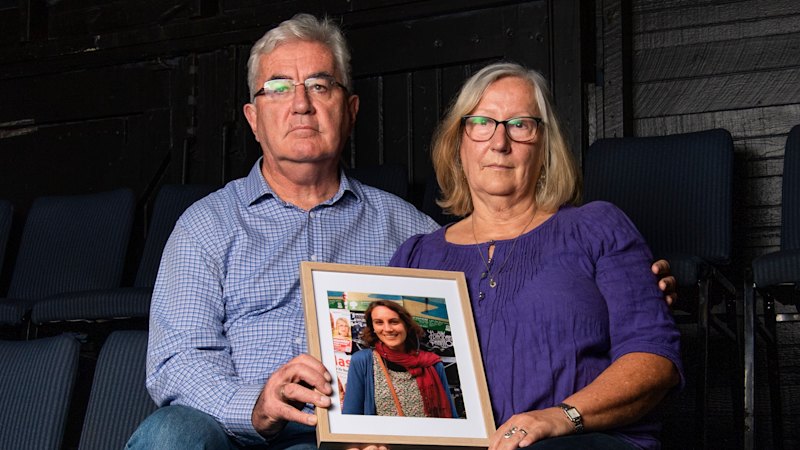
The announcement comes after eight Australians tragically lost their lives due to the condition known as Vaccine-induced Immune Thrombotic Thrombocytopenia (VITT). Among the victims was 34-year-old Sydney artist Katie Lees, whose death highlighted the risks involved with the vaccine during its rollout.
Understanding VITT and Its Causes
Australia initially relied heavily on AstraZeneca’s vaccine to combat COVID-19. However, mid-rollout, a link to a rare clotting syndrome was discovered, prompting health authorities to advise people under 60 to avoid the jab. VITT occurs in approximately two out of every 100,000 vaccinated individuals, with symptoms ranging from mild to fatal.
The research identifies two main factors contributing to VITT: a protein within the vaccine and a specific human antibody produced by individuals with a rare genetic mutation, termed a “forbidden clone.” Professor Tom Gordon from Flinders University, a senior author of the study, explained that understanding these factors could help modify vaccines to eliminate the risk of VITT.
“There’s every chance we can create a trans-gene to modify this vaccine,” said Professor Gordon. “We should be able to remove the risk of VITT.”
The Role of Adenovirus Vector
AstraZeneca’s vaccine uses an adenovirus vector, a harmless virus modified to carry a segment of the COVID-19 virus’s genetic code. This method trains the immune system to recognize and fight the virus. However, in rare cases, the immune system produces antibodies that mistakenly target a human protein, PF4, leading to clotting.
Canadian researchers have linked similar clotting syndromes to natural adenovirus infections, suggesting the adenovirus itself, rather than the vaccine, may be the underlying cause. The Australian study further identifies a protein within the adenovirus that closely resembles PF4, which could mislead the immune system.
“The group recreated the antibodies in the lab and showed that the K31E somatic mutation can switch an antibody from harmless to clot-activating,” said Professor Elizabeth Gardiner, a leading expert on platelet research.
Implications for Vaccine Development
The findings are crucial for future vaccine development. By altering adenoviruses to avoid mimicking PF4, vaccine developers could potentially prevent VITT. The study also sheds light on how environmental exposures combined with genetic mutations can trigger autoimmune diseases.
Dr. Jing Jing Wang, a co-author of the study, emphasized the importance of understanding the immune misdirection caused by these factors. “We proved that antibodies against a foreign antigen, and then a mutation, leads to the misdirection of immune response – and becomes autoimmunity,” Wang stated.
Calls for Compensation and Recognition
The families of those affected by VITT, like Katie Lees’s parents, have called for better recognition and compensation for victims. Ian Lees, Katie’s father, expressed frustration over the lack of attention to the issue, which he believes was downplayed to maintain public confidence in vaccination campaigns.
“I very strongly believe the deaths and the injuries were collateral damage no one wanted to talk about because it would damage their messaging,” said Ian Lees.
The Australian government’s Vaccine Claims Scheme provided $70,000 to the Lees family, a sum they feel inadequately reflects the gravity of the situation. The Department of Health has processed thousands of compensation claims, distributing over $62 million to affected individuals.
This development follows a broader discussion on vaccine safety and the need for transparent communication regarding potential risks. As researchers continue to explore solutions, the hope is to prevent future tragedies and enhance public trust in vaccination efforts.