
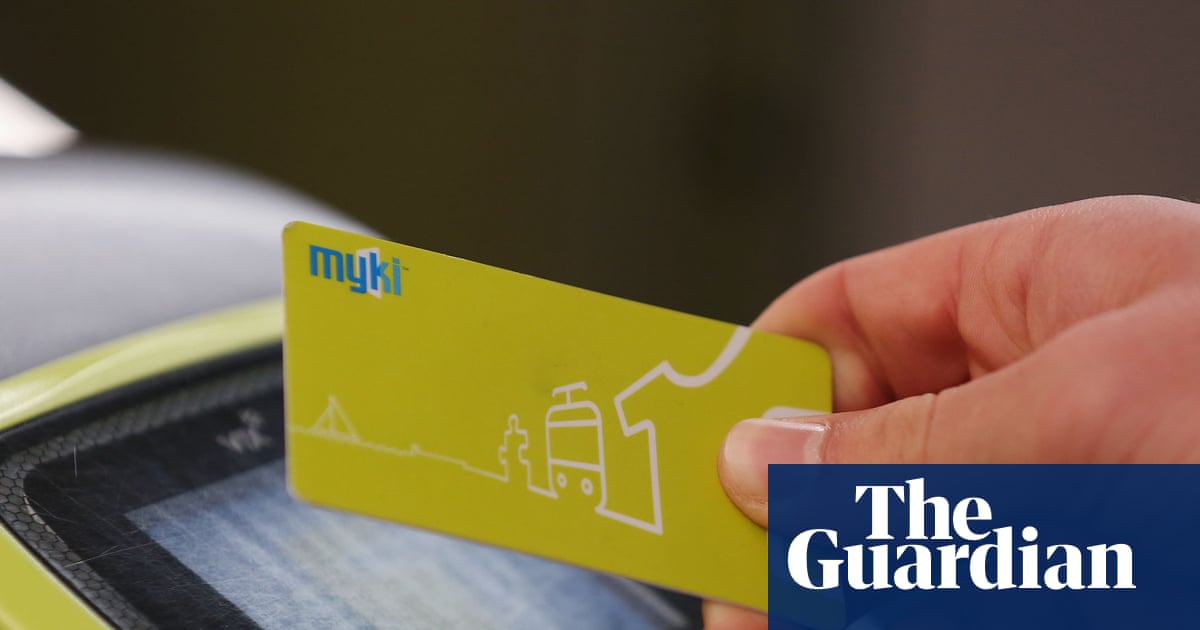




Victoria’s public transport system is on the brink of a significant transformation as it enters the final testing phase of its tap-and-go technology. Over the next few months, commuters will be able to pay for travel without the need for a myki card, marking a major shift in how Victorians access public transport.
The state government has announced that the introduction of ticketless travel is expected in the early part of this year. This development comes as part of the contract awarded to Conduent, a US-French company, which took over the myki system in 2023. Despite initial delays, the government is optimistic about the forthcoming changes.
Final Stages of Testing
Victorians will soon have the convenience of using credit cards or smartphones to pay for public transport as the contactless payment trial enters its final stages. The government has confirmed that controlled laboratory testing, involving various bank cards and smart devices, will commence next month. This will be followed by public trials across select train stations.
According to a government spokesperson, these public tests will pave the way for a network-wide rollout of tap-and-go payments in the coming months. This initiative aims to align Victoria with other Australian states like New South Wales and Queensland, which have already embraced similar systems.
Government’s Vision and Industry Reactions
Victoria’s Public Transport Minister, Gabrielle Williams, emphasized the importance of these trials. “This is a critical next step in rolling out tap-and-go payments, allowing us to test the technology in real-world conditions and ensure the system works smoothly before it’s switched on for passengers,” she stated.
The minister further elaborated that passengers will soon be able to use credit or debit cards, smartphones, or smartwatches to access public transport, starting with trains before expanding to the entire network. “In the coming months, passengers will be able to touch on using a credit or debit card, a smartphone, or a smartwatch — starting on trains, then rolling out across the rest of the network,” she added.
However, the journey to this point has not been without its challenges. A six-month trial in Wangaratta in 2025, involving four bus routes, was criticized by industry insiders as a “gimmick.” One insider remarked, “This really isn’t testing anything,” highlighting that tap-and-go systems are already prevalent in the community.
Historical Context and Future Implications
The modernization of Victoria’s public transport ticketing system has been a topic of significant scrutiny and debate. The awarding of the contract to Conduent sparked controversy, with questions raised about its international track record in delivering tap-and-go payments. In 2023, the government faced criticism for rejecting a credit card tap-on technology trial for myki, after documents revealed that a trial was ready to proceed.
Despite these setbacks, the installation of nearly 3,000 new ticket readers at over 280 train stations indicates a strong commitment to the transition towards contactless travel. This move represents a critical step towards modernizing Victoria’s public transport infrastructure, ensuring it meets contemporary standards and user expectations.
“Close to 3,000 new ticket readers have been installed at more than 280 train stations ahead of the switchover to contactless travel.”
As Victoria prepares to join the ranks of states with advanced public transport payment systems, the coming months will be crucial in determining the success of this initiative. The government and Conduent face the challenge of ensuring a seamless transition for commuters, with the potential to set a new standard for public transport in the region.
Looking forward, the successful implementation of tap-and-go technology could pave the way for further innovations in public transport, enhancing the overall commuter experience and positioning Victoria as a leader in transport technology.