



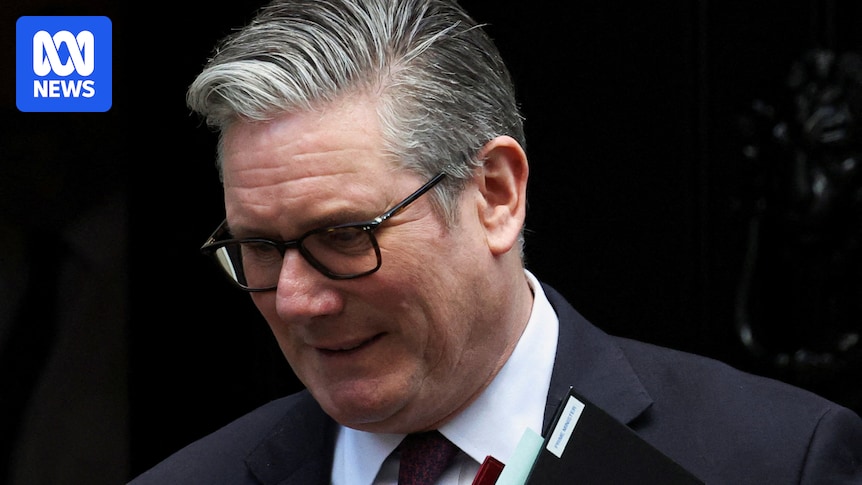
The demise of a political leader is often gradual, unfolding over time, until a pivotal moment accelerates their decline. For Sir Keir Starmer, Britain’s prime minister, that moment has arrived. This week, a scandal erupted over his decision to appoint Lord Peter Mandelson as UK ambassador to Washington, despite Mandelson’s controversial ties to Jeffrey Epstein.
Starmer’s decision to appoint Mandelson, a figure with a storied and controversial career, has drawn intense scrutiny. Mandelson’s friendship with Epstein, even after Epstein’s conviction for soliciting prostitution from a minor, was known to Starmer at the time of the appointment. More damaging are allegations that Mandelson shared market-sensitive information with Epstein during the 2008 banking crisis, a move seen as a betrayal of public trust.
The Fallout in Westminster
Less than two years after leading Labour to a landslide election victory, Starmer’s premiership is now marred by this scandal. The incident has outraged MPs and the public, striking at the core of Starmer’s political brand, which was built on integrity and restoring trust in public life.
Starmer, a former director of public prosecutions, was seen as the leader who would bring a legalistic rigor to politics. His appointment of Mandelson, known as the “Prince of Darkness” for his controversial political maneuvers, seems to contradict this image. Mandelson’s history includes resignations from government over conduct questions and a lucrative career in lobbying, which had already made him a contentious figure within Labour.
Mandelson’s Controversial Legacy
Mandelson’s political career spans four decades, during which he has been a central figure in British politics. His tenure as Tony Blair’s media chief and later as a cabinet minister was marked by both influence and controversy. His proximity to wealth and power has long been a point of contention among Labour MPs.
The decision to appoint him as ambassador was justified by some as a strategic move to navigate the complexities of dealing with an unorthodox U.S. administration. However, the revelations about his ties to Epstein and the sensitive information he allegedly shared have overshadowed any potential diplomatic benefits.
Political and Public Repercussions
The release of documents by the US Justice Department has intensified the scandal. These documents reveal an ongoing friendship between Mandelson and Epstein, with Mandelson referring to Epstein as his “best pal” and advocating for his early release. The political fallout has been severe, with Mandelson now facing a police investigation into alleged misconduct in public office.
Starmer has apologized publicly in the House of Commons, expressing regret over Mandelson’s appointment and acknowledging the damage done to his party and his leadership. Yet, the question remains: what did Starmer know, and when did he know it?
“Mandelson betrayed our country, our parliament, and my party,” Starmer admitted to his MPs this week.
Internal Party Dynamics
Within Labour, the scandal has sparked intense debate. Some MPs are furious, feeling that repeated warnings were ignored, while others blame Starmer’s advisers, particularly his chief of staff, Morgan McSweeney, for pushing Mandelson’s appointment. Despite the turmoil, some MPs still support Starmer, citing his commitment to public service.
Starmer has attempted to rally support by inviting MPs to his countryside retreat, Chequers, in an effort to rebuild trust and unity within his party. However, the looming parliamentary by-election and local elections may determine his political fate.
Future Prospects and Leadership Challenges
Starmer’s immediate challenge is the absence of a clear successor, which may offer him some protection. Potential candidates like Angela Rayner and Wes Streeting face their own controversies and challenges, leaving the party without a strong alternative leader.
Meanwhile, Starmer’s allies hope he can use this period to reset his agenda and demonstrate effective governance. Procedural delays, such as the police request to withhold certain documents, may buy him time, but public opinion remains a significant hurdle.
According to a YouGov poll released on Friday, half of voters want Starmer to resign, while just 25 percent think he should stay.
The Mandelson affair has fundamentally altered the political landscape for Starmer. What was once a series of manageable challenges has now escalated into a full-blown crisis, with potential long-term implications for his leadership and the Labour Party’s future.