


A private member’s bill aiming to ban under 15s from social media is gaining momentum in France, poised for a Senate vote next month after passing the lower house. Meanwhile, in Australia, Prime Minister Anthony Albanese has reported “encouraging” results from a similar ban. Official statistics reveal that approximately 4.7 million accounts have been deactivated, a milestone hailed as a “huge achievement” by Communications Minister Anika Wells.
However, the initiative is not without its challenges. Julie Inman Grant, head of the Australian online safety regulator, has voiced concerns about tech companies’ commitment to the ban. “These companies have come to this regime, if you will, kicking and screaming — very, very reluctantly,” she noted, emphasizing their lack of “huge incentive” to fully comply with the new regulations.
Challenges in Implementation
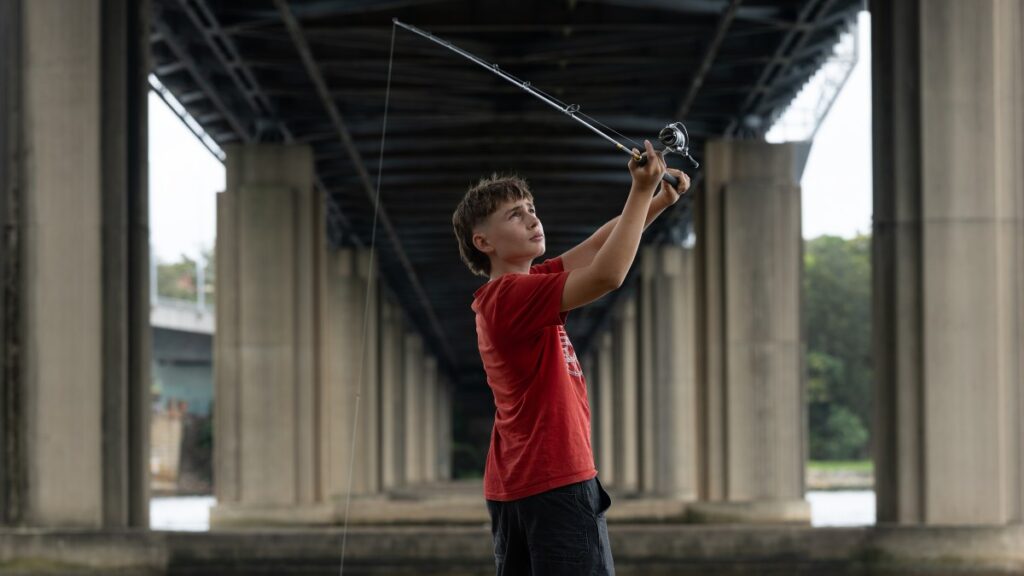
Despite the legislative efforts, compliance remains inconsistent. In the case of Owen, a young Australian affected by the ban, the absence of social media is largely due to his father, Tom, rather than the efficacy of the age verification systems. Owen recounts how his friends continue to access social media by manipulating age verification technology. “I don’t know anyone who’s been banned from [social media]. All my friends still have their accounts,” he shared.
The law mandates that tech companies take “reasonable steps” to prevent children from accessing their platforms, with potential fines reaching up to £25 million for non-compliance. Snapchat has been identified as a particular concern, with Inman Grant stating, “There are some kids that are getting through [to] Snapchat, which is one that has been a primary focus.”
Parental Involvement and Reactions
Parents like Tom have taken proactive measures, implementing their own screen controls to align with the law. “I decided that, well, this is the law. We implemented our own screen controls so as not to allow all of my younger kids to have access to social media,” he explained. Despite these efforts, Tom expressed disappointment that Owen’s friends, who are also under 16, continue to access social media platforms.
Owen’s mother, Kate, emphasized the collective parental support for the ban. “All the mums I’ve talked to who are parents of the under 16s … want this to work,” she stated. This sentiment underscores a broader societal push towards safeguarding children from the potential harms of social media.
Looking Ahead: Implications and Future Steps
The Australian government’s initiative reflects a growing global trend towards regulating social media usage among minors. As France considers similar legislation, the effectiveness of these measures will likely be scrutinized and could inform future policy decisions worldwide.
Experts suggest that the success of such bans depends heavily on the cooperation of tech companies and the enforcement of robust verification systems. The ongoing dialogue between regulators, parents, and technology firms will be crucial in navigating the complexities of digital safety for children.
As countries like Australia and France forge ahead with these regulations, the global community will be watching closely to see how these measures impact social media usage and whether they can effectively protect young users from online risks.