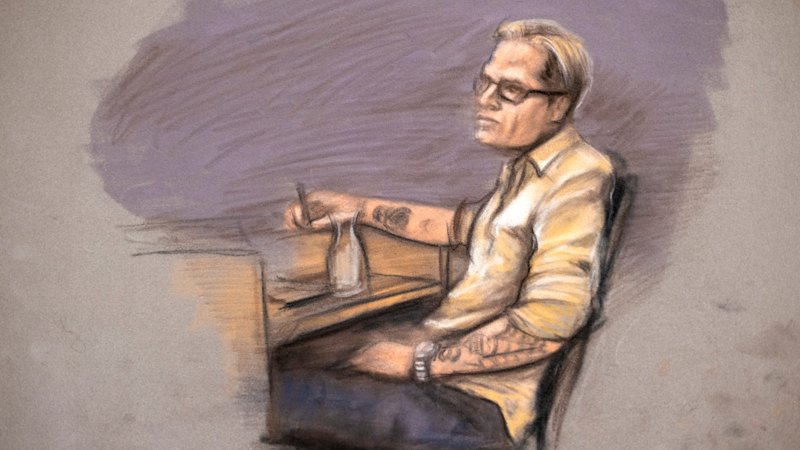




Residents of Leongatha in South Gippsland have been unsettled by an influx of morbid sightseers visiting the former home of Erin Patterson. Dubbed the “mushroom murderer,” Patterson was involved in a high-profile case where her ex-husband’s parents, Gail and Don Patterson, his aunt Heather Wilkinson, and nearly Heather’s husband Ian were fatally poisoned. As her trial drew to a close, friends of Patterson attempted to shield the house from prying eyes by erecting plastic sheets around it.
This phenomenon is a modern reflection of the historical tradition known as “dark tourism,” where sites associated with tragedy and death attract visitors. The Institute for Dark Tourism Research at the University of Lancashire, founded in 2012, delves into these “trauma-scapes.” According to Dr. Philip Stone, the institute’s executive director, “People think that it would be a modern, contemporary phenomenon, but it’s not.”
The Historical Roots of Dark Tourism
Dark tourism is not a new concept. In the 19th century, the slums of London were frequented by curious onlookers. Dr. Stone points to the infamous Jack the Ripper case as an early example. In September 1888, as one of the victims, Annie Chapman, lay dead in a yard, a landlord rented out a room opposite the crime scene, allowing visitors to view the body for a penny. This early form of dark tourism was driven by media sensationalism.
“Jack was the name given to the murderer by the tabloid press because horrible tales of salacious murder sell newspapers,” explains Stone.
Today, the Jack the Ripper Museum in London capitalizes on this grim history with walking tours, while other businesses offer similar experiences, highlighting the enduring appeal of these macabre stories.
Dark Tourism in Australia: A Growing Trend
In Australia, dark tourism has taken root with tours like Dark Stories True Crime Tours, led by David Dark. These tours focus on historical crimes, although some, like the Melbourne tour, touch on more recent events. “It’s not history yet,” Dark notes, emphasizing the delicate balance between storytelling and respecting those affected by these tragedies.
The trial of Erin Patterson, held in Morwell, brought a temporary economic boost to the area as journalists and influencers flocked to cover the story. This echoes the experience of Snowtown in South Australia, where the discovery of eight victims’ remains in 1999 led to a surge in visitors, particularly after the release of the movie “Snowtown” in 2011.
Before closing, the Snowtown Crafts and Curios gift shop offered macabre souvenirs, a testament to the commercial potential of dark tourism. “I’m doing something that can bring money into Snowtown,” the shop’s owner defended, highlighting the tension between economic benefit and ethical considerations.
Memorialization and the Ethics of Dark Tourism
In the UK, the Cromwell Street home of serial killers Fred and Rosemary West was demolished, a decision aimed at erasing the site from public memory. Dr. Stone reflects on this approach, questioning whether it was the right decision. “We need to shed a light back on that particular episode,” he argues, emphasizing the importance of remembrance in understanding criminology and victimhood.
“Gloucestershire County Council decided on obliteration,” says Stone. “They purposely obliterated that place from the collective memory.”
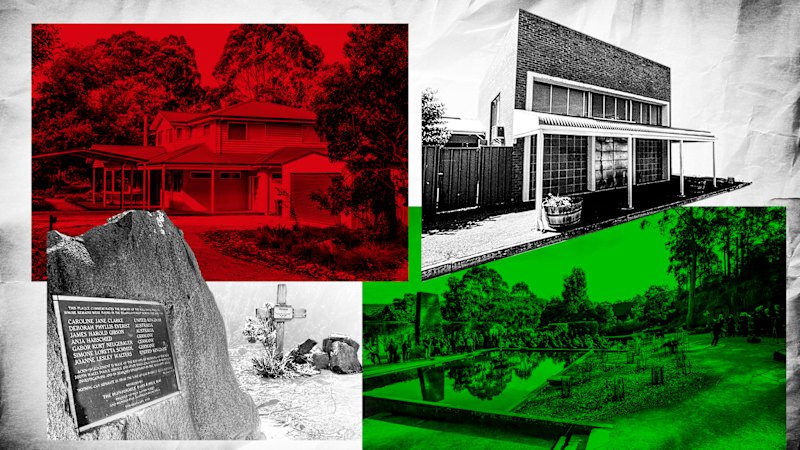
In contrast, Australia’s Port Arthur massacre site in Tasmania takes a different approach. While the focus remains on the site’s convict heritage, the massacre is subtly acknowledged through a memorial garden. The on-site guides choose not to speak of the killings, a decision that reflects the community’s ongoing grief.
The Future of Dark Tourism
As dark tourism continues to evolve, it raises questions about how societies choose to remember and commemorate tragic events. Dr. Stone warns of the dangers of allowing misinformation to fill the gaps left by silence. “Generations change, and you’ve got to keep re-educating,” he says, highlighting the need for accurate historical narratives.
In New South Wales, the controversial “Extreme Terror Tour” of Belanglo State Forest, where serial killer Ivan Milat buried his victims, faced public backlash and was eventually canceled. This incident underscores the fine line between commodifying tragedy and preserving memory.
Ultimately, dark tourism challenges us to confront our fascination with the macabre while respecting the memories of those affected. As society grapples with these ethical dilemmas, the stories of these sites continue to captivate and provoke reflection.