



Australians have a limited window to voice their opinions on the sale of rodenticides, which have been linked to the deaths of numerous native wildlife species. Despite a recent review highlighting the “unacceptable” risks these chemicals pose to non-target animals, they remain available for purchase in major retail outlets.
In December, the Australian Pesticides and Veterinary Medicines Authority (APVMA) published its findings on second-generation anticoagulant rodenticides (SGARs) after several months of delay. The review concluded that these products should continue to be sold, despite their detrimental impact on ecosystems.
Expert Disappointment and Environmental Concerns
Associate Professor John White, a Wildlife and Conservation Biology expert at Deakin University, expressed his “extreme disappointment” with the APVMA’s recommendations. He noted that Australia is among a shrinking number of countries still permitting the use of SGARs.
“There is now substantial evidence from Australia showing widespread exposure of native wildlife to SGARs,” Professor White stated. “Multiple studies have detected SGAR residues in owls, raptors, quolls, goannas, and other predators and scavengers, often at concentrations associated with illness or death.”
Rodenticides have also been found in non-target species such as possums, which accidentally consume the poisons directly. The APVMA’s findings have prompted over 280 experts to campaign for the removal of SGARs from consumer sale.
APVMA’s Recommendations and Public Consultation
Instead of a ban, the APVMA has prioritized risk mitigation strategies, including changes to product labels, packaging controls, and adjustments in bait placement and delivery. The authority assumes these measures can reduce harm without restricting access.
The APVMA is currently consulting on its proposed decisions, with submissions open until March 16. A final determination will be made following this consultation period.
“Australians can still influence the outcome by making formal submissions, engaging with policymakers, and contributing evidence-based commentary during the consultation period,” Professor White emphasized. “Public and media scrutiny also play an important role in highlighting the ecological consequences of regulatory choices.”
Challenges to Mitigation Measures
Professor White and other experts are skeptical that the recommended measures will effectively reduce harm. They argue that label changes and baiting instructions do little to address secondary poisoning, which occurs when predators consume poisoned prey days or weeks after baiting.
“This cannot be controlled by packaging or placement alone. As long as SGARs remain widely available and in use, exposure of wildlife is likely to continue,” Professor White warned.
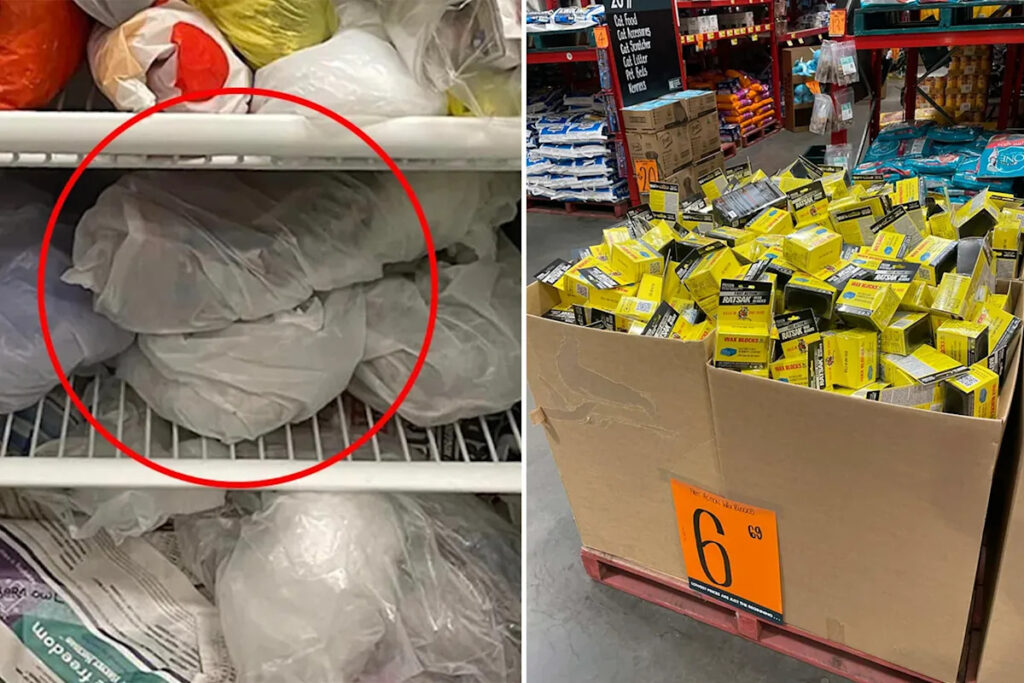
In response to the findings, Amazon has decided to remove SGARs from sale on its Australian website. However, these products are still widely available in major retailers such as Coles, Woolworths, Bunnings, and Mitre10, all of whom defend their sales practices.
Global Perspectives and Alternatives
Globally, many countries, particularly in Europe, Canada, and the United States, have banned SGARs for general public use or restricted them to licensed professionals. Professor White argues that Australia’s policies are increasingly out of step with these international standards.
“These policies being adopted around the world reflect recognition that the risks to wildlife outweigh the benefits of widespread access,” Professor White said. “Australia, in contrast, continues to allow unrestricted public access to the most toxic and persistent rodenticides.”
Professor White advocates for alternatives to toxic rodenticides, such as improved sanitation and waste management to deter rodents. He also suggests trapping, natural-based products, and habitat conservation as viable options.
Future Directions and Regulatory Reform
There is a call for regulatory reform that could include restricting SGARs to licensed pest controllers, a measure adopted overseas to reduce overall use. However, Professor White notes that restrictions alone may not fully prevent wildlife exposure, prompting some researchers and conservation groups to call for outright bans.
“There is no coordinated national monitoring program. Most data come from targeted research projects conducted by a few university researchers, including us,” Professor White explained. “Testing is extremely expensive, approximately $250 per sample, and is a major limiting factor on testing.”
As the consultation period continues, Australians are encouraged to participate actively in shaping the future of rodenticide regulation, potentially setting a precedent for more ecologically responsible pest management practices.