



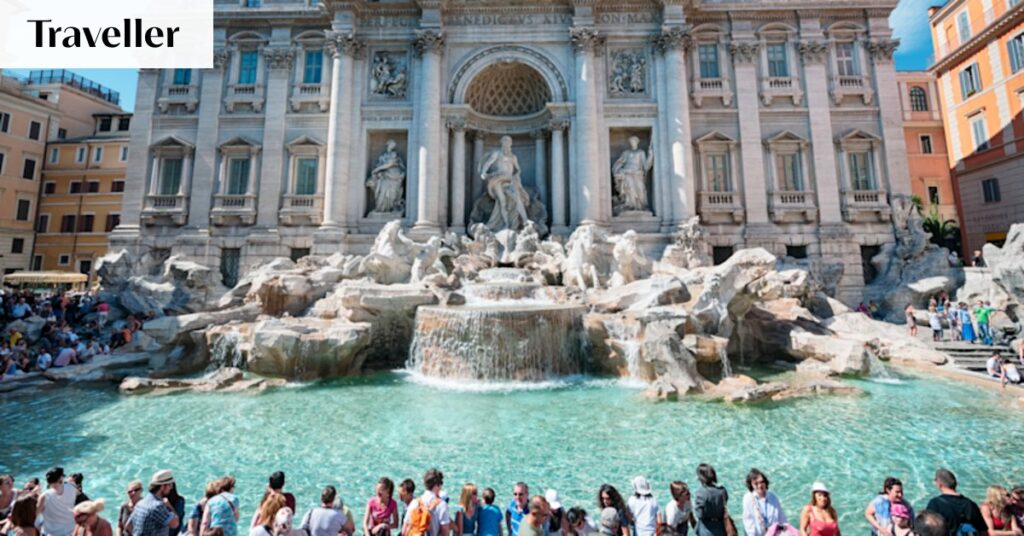
The city of Rome has introduced a €2 ($3.40) fee for tourists wishing to get up close to the iconic Trevi Fountain, a baroque masterpiece that has long been a must-see for visitors to the Eternal City. The fee applies from 11:30 am to 10 pm on weekdays and 9 am to 10 pm on weekends, sparking a mix of reactions from tourists and locals alike.
This development follows years of overcrowding at the Trevi Fountain, which saw over 9 million visitors in 2025 alone. The picturesque piazza, measuring just 350 square meters, has struggled to accommodate the influx, often resulting in a less-than-pleasant experience for those hoping to enjoy the landmark’s beauty.
Preserving a Cultural Icon
The decision to charge an entry fee is part of a broader effort by the city to manage the overwhelming number of tourists and maintain the fountain. The funds collected will help cover the costs of maintaining the fountain, keeping the water flowing, and ensuring the area remains clean and safe for visitors.
According to city officials, the fee is a necessary step to protect the Trevi Fountain from damage and preserve it for future generations. “User pays, end of story,” remarked a local official, emphasizing that the cost of maintaining such a historic site should not fall solely on the taxpayers of Rome, many of whom rarely visit the fountain themselves.
Global Context: Tourism and Admission Fees
The move represents a growing trend among popular tourist destinations to charge entry fees in response to increasing visitor numbers and the associated strain on local infrastructure. Venice, for example, introduced a €5 ($8) fee in April 2024 for day-trippers during peak tourist season, while Dubrovnik charges €40 ($68) to walk its historic city walls.
In the United States, the Trump administration significantly raised fees for non-US visitors to national parks, with an additional $100 charge on top of standard entry fees. This policy has been met with mixed reactions, as it affects the accessibility of some of the country’s most cherished natural landscapes.
Public Reaction and Economic Impact
The introduction of the Trevi Fountain fee has sparked debate among tourists and locals. Social media platforms are abuzz with opinions, with some users lamenting the loss of a free attraction while others acknowledge the need for crowd control. Instagram user @luxurylifeunapologetically expressed sadness over the change, while @jeannejuan noted that the fee might help preserve the fountain’s beauty.
Despite the controversy, the fee is unlikely to deter most visitors, given its relatively low cost compared to other tourist sites. For those seeking a photo opportunity against the stunning backdrop of Nicola Salvi’s creation, the €2 charge is a small price to pay.
Looking Ahead: Balancing Tourism and Preservation
It remains to be seen what long-term impact the Trevi Fountain fee will have on visitor numbers and the overall tourist experience in Rome. However, the city hopes that the measure will lead to a more sustainable approach to tourism, ensuring that its historical landmarks can be enjoyed by future generations.
As cities worldwide grapple with the challenges of managing tourist numbers, the introduction of entry fees may become increasingly common. For Rome, the success of this initiative could serve as a model for other destinations facing similar issues.
Ultimately, the €2 fee at the Trevi Fountain represents a small investment in preserving one of the world’s most beloved cultural treasures. As the city continues to navigate the complexities of modern tourism, the balance between accessibility and preservation will remain a key consideration.