



Six years have passed since the World Health Organization (WHO) declared the outbreak of COVID-19 a Public Health Emergency of International Concern (PHEIC), the highest global alert available under international law at the time. Although the PHEIC was officially declared over in May 2023, the reverberations of COVID-19 continue to be felt around the world. As we reflect on this six-year milestone, the pressing question remains: Is the world better prepared for the next pandemic?
The answer is a complex one, marked by both progress and persistent vulnerabilities. While significant strides have been made in pandemic preparedness, the advancements are uneven, and the global community remains at risk.
Progress Since COVID-19
“The pandemic taught all of us many lessons – especially that global threats demand a global response,” stated WHO Director-General Dr. Tedros Adhanom Ghebreyesus at the opening of the 158th session of the Executive Board. “Solidarity is the best immunity.”
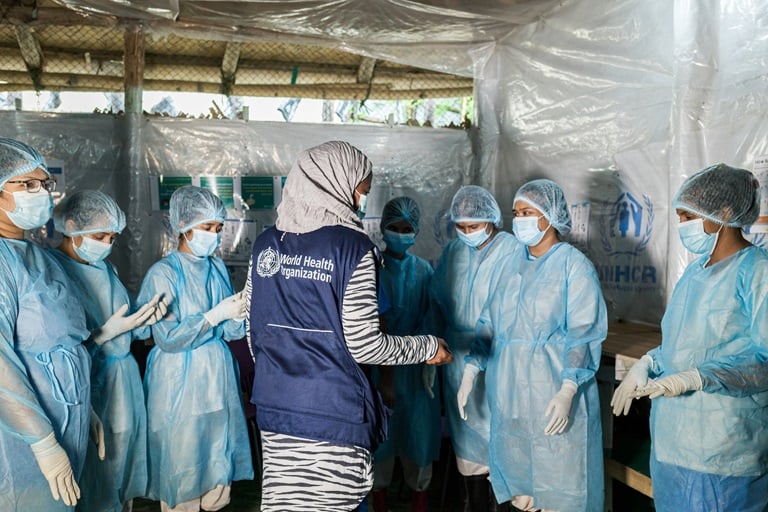
In the wake of COVID-19, WHO, alongside its Member States and partners, has spearheaded numerous initiatives to bolster pandemic preparedness, prevention, and response. Among these is the historic WHO Pandemic Agreement, adopted in May 2025, which outlines a comprehensive approach to global health security and equity. This agreement underscores the power of multilateralism, with Member States currently negotiating the Pathogen Access and Benefits Sharing (PABS) system annex, a crucial step towards its implementation as international law.
Key Developments in Pandemic Preparedness
- Amendments to the International Health Regulations (IHR) were enacted in September 2025, enhancing national capacities to respond to health emergencies.
- The Pandemic Fund, a joint initiative by WHO and the World Bank, has allocated over US$ 1.2 billion in grants, catalyzing an additional US$ 11 billion to support 67 projects in 98 countries.
- WHO’s Hub for Pandemic and Epidemic Intelligence launched a major update of the Epidemic Intelligence from Open Sources (EIOS) system, utilizing AI to improve threat detection.
- Global genomic sequencing capacities have expanded, with more than 110 countries enhancing their surveillance capabilities through the International Pathogen Surveillance Network.
- The WHO BioHub has coordinated the sharing of 34 virus variants among 80 laboratories across 30 countries, fostering global collaboration in pathogen research.
These initiatives reflect a shared commitment to prevent future pandemics and ensure no one is left behind. However, the progress achieved is fragile and requires sustained efforts and funding.
Challenges and Vulnerabilities
Despite these advancements, the global health landscape faces significant challenges. Funding has increasingly shifted from health to defense and national security, threatening the very systems designed to protect against future pandemics. This shift is considered shortsighted by many experts, who argue that pandemics pose a direct threat to national security.
“Investing in preparedness is an investment in lives saved, economies protected, and societies stabilized.”
Recent responses to Ebola and Marburg outbreaks illustrate the progress made at national levels, supported by WHO. The swift containment of these diseases, which once had devastating impacts, highlights the effectiveness of improved preparedness and response mechanisms.
A Call to Action
WHO urges governments, partners, and stakeholders not to lose momentum in pandemic preparedness and prevention. The upcoming WHO Executive Board meeting represents a pivotal moment for setting the course for future collaboration and accountability in global health.
Pathogens do not respect borders, and no single country can manage a pandemic alone. Global health security necessitates collaboration across sectors, governments, and regions. WHO remains committed to supporting Member States in their efforts to forge a global compact for a safer world.
Preparedness requires continuous vigilance. The time to act is now, before the next pandemic strikes.