



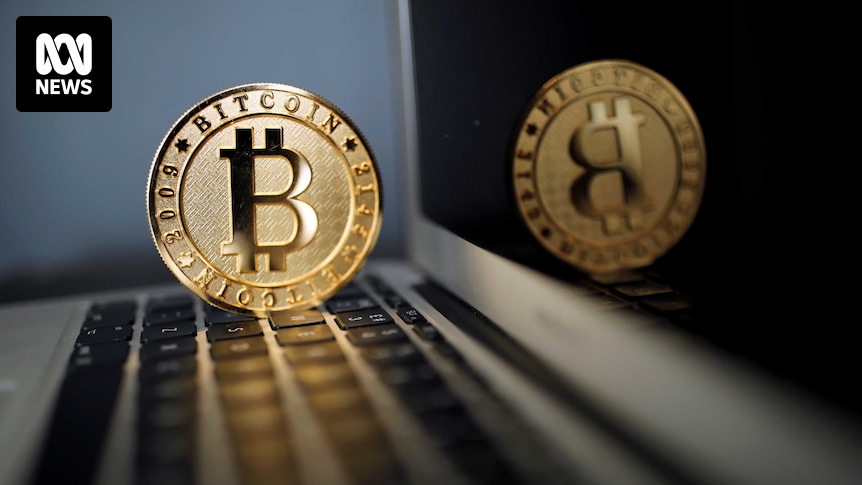
The Australian Stock Exchange (ASX) is poised for a lower opening today, as futures indicate a drop of 0.8% to 8,776 points. This comes amid a tumultuous period for global markets, highlighted by a significant crash in Bitcoin’s value and a broad decline on Wall Street. Bitcoin has plunged 13% to $US63,170, nearly halving its value since October last year, while all three major U.S. indices closed over 1% down.
Atlassian, the software giant co-founded by Mike Cannon-Brookes, reported impressive second-quarter results with a revenue of $US1.6 billion, marking a 23% increase from the previous year. Cannon-Brookes highlighted the company’s “incredible momentum,” noting the achievement of its first-ever $1 billion Cloud revenue quarter, a 26% year-over-year growth, and surpassing 350,000 customers. Despite these achievements, Atlassian shares have dropped about 66% over the past year, with investors wary of artificial intelligence’s potential impact on software demand. The stock fell an additional 6% following the announcement.
Market Volatility and Precious Metals
Meanwhile, the precious metals market has shown mixed signals. Gold has seen a slight recovery, rising 0.1% to $US4,775, while silver remains down by 0.5% to $US70.85. Rick de los Reyes, portfolio manager and Head of Commodities at T. Rowe Price, suggests that the recent volatility may indicate a period of consolidation rather than the end of the gold trade.
“The final leg of gold’s recent rally unfolded very rapidly and bore the characteristics of a short squeeze, pushing prices higher in a compressed timeframe. Historically, spikes in realised volatility have tended to be followed by periods of sideways consolidation before the uptrend resumes. Against this backdrop, gold is likely to remain range-bound in the near term before potentially reaching new highs,” said de los Reyes.
He further explained that the sell-off and subsequent recovery reflect broader market dynamics, particularly in light of speculation surrounding Kevin Warsh’s potential nomination as US Federal Reserve Chair. This has led to heightened market sensitivity and a nervous response across risk assets.
Bitcoin’s Plunge and Broader Market Impact
The cryptocurrency market has been particularly volatile, with Bitcoin’s value dropping sharply. Senior Financial Market Analyst Kyle Rodda attributes this to several factors, including a spill-over effect from the precious metals sell-off and a rotation out of US tech stocks, which are perceived as expensive. Rodda also noted that Bitcoin has been on a bearish trend since October, with sentiment remaining fragile.
“Because it’s such a speculative asset, it’s had a tendency to lead moves in stocks when market sentiment is getting bearish. This could be the canary in the coal mine,” Rodda remarked.
Amazon has joined its Big Tech peers in projecting massive capital expenditures for 2026, indicating that tech companies are not slowing down their AI investments. The company plans to invest approximately $US200 billion in capital expenditures, a significant increase from the previous estimate of $US144.67 billion. This trend is mirrored by other tech giants, including Microsoft, Alphabet’s Google, and Meta, who are collectively expected to spend over $US500 billion this year.
Failed Merger Talks Between Rio Tinto and Glencore
In the mining sector, Rio Tinto has walked away from a potential merger with Glencore, which would have created the world’s largest mining company. The proposed merger, initially announced in January, was valued at over $US200 billion. Rio Tinto cited insufficient value for shareholders as the reason for the failed talks.
“Rio Tinto assessed the opportunity and came to this view through the disciplined lens set out at its Capital Markets Day in December 2025 – prioritising long-term value and delivering leading shareholder returns,” the company stated.
Glencore’s shares fell 7% to 467 pence following the announcement, while Rio Tinto’s shares dropped 2.6% to 6,820 pence. Analyst Christopher LaFemina from Jefferies commented that while the companies might re-engage in the future, it is not the expected outcome.
Global copper demand is anticipated to rise by 50% by 2040, driven by the energy transition and artificial intelligence demand, which could influence future merger discussions in the sector.
RBA’s Monetary Policy and Economic Outlook
In Australia, Reserve Bank of Australia (RBA) Governor Michele Bullock is set to appear before the House of Representatives Standing Committee on Economics in Canberra. This follows the RBA’s recent decision to increase interest rates by 0.25 percentage points to 3.85%. Economists are predicting further rate hikes this year as the RBA navigates the country’s economic challenges.
As the ASX prepares to open lower, investors will be closely monitoring these developments, seeking insights into the future direction of both domestic and global markets.