




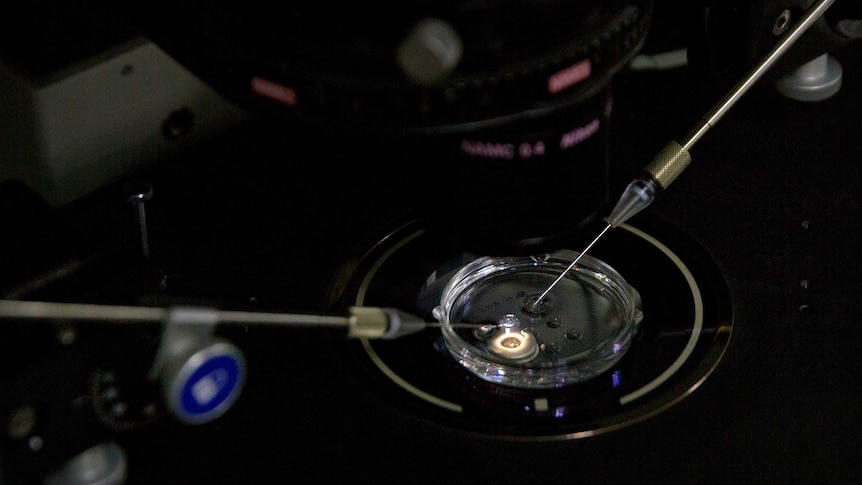
In a groundbreaking development, an Australian research team has unveiled a new method to enhance the safety of gene editing in humans by leveraging artificial intelligence. This innovation aims to mitigate the risks associated with altering DNA, a process that has long been fraught with both promise and controversy. The announcement marks a significant step forward in the field of genetic research, particularly for conditions like cystic fibrosis, which affects thousands worldwide.
Gene editing, the process of modifying the DNA of cells or organisms, has been a topic of intense debate due to the potential for unintended consequences. Concerns have centered around the possibility of damaging healthy genes, which has limited the widespread application of this technology. However, the new approach developed by the Australian team, led by Dr. Gavin Knott, seeks to address these challenges by using artificial intelligence to precisely control the gene-editing process.
The Impact on Genetic Diseases
Faulty genes are the root cause of numerous debilitating diseases, including cystic fibrosis, a condition that severely impacts the lungs and digestive system. According to Dr. Jo Armstrong, CEO of Cystic Fibrosis Australia, a child is born with the disease every four days. She emphasizes the harsh realities faced by those living with cystic fibrosis and the hope that genetic research, particularly CRISPR technology, offers.
Dr. Jo Armstrong: “The life is really, really tough for someone living with cystic fibrosis. There have been advances in a range of different therapies, but they’re not necessarily for everyone. So genetic research and CRISPR research really can provide hope for people living with cystic fibrosis.”
Globally, several hundred individuals with genetic disorders such as blood diseases and cancers have already participated in CRISPR gene-editing trials. A notable success story includes a 10-month-old boy in the United States whose rare genetic condition was cured using this technology last year.
Understanding the Technology
Associate Professor Gavin Knott from Monash University likens the gene-editing tool to a pair of scissors that can accurately cut and modify DNA. While the technology has transformed patient outcomes worldwide, it is not without its challenges. The primary concern has been the potential for the editing enzyme to inadvertently damage healthy genes.
Gavin Knott: “It’s a pair of scissors that can very precisely cut and then edit the DNA. The technology is transforming patient lives around the world, but it still faces some challenges.”
The innovative approach by Dr. Knott’s team involves using artificial intelligence to prevent the enzyme from lingering in the genome, thus reducing the risk of unintended damage. Although the results are promising, the research is currently confined to laboratory settings.
Future Prospects and Expert Opinions
The findings, published in the journal Nature Chemical Biology, represent a significant milestone in the field of molecular biology. Associate Professor Kate Michie from the University of New South Wales, who was not involved in the study, highlights the broader implications of this research.
Kate Michie: “It’s really significant. It’s sort of proving that protein design is possible. And this is a holy grail problem of biology that we’ve been working on for decades. And this will enable us to do all sorts of amazing things in diagnostics and lots of genetic diseases and health problems by being able to target specific proteins now using this technology.”
The potential applications of this technology are vast, ranging from diagnostics to the treatment of a wide array of genetic disorders. However, as Dr. Knott notes, translating these laboratory successes into human clinical trials will be a long and challenging journey.
Gavin Knott: “For us, this is the beginning and it’s a long road to translate these into human clinical trials. But the potential of this technology is really exciting.”
As the research progresses, the scientific community remains optimistic about the future of gene editing. The integration of artificial intelligence into this field not only enhances precision but also opens new avenues for tackling some of the most persistent challenges in genetic medicine.
This development follows a growing trend of utilizing advanced technologies to refine and improve medical interventions. As researchers continue to explore the possibilities, the hope is that these innovations will lead to more effective and safer treatments for genetic diseases, ultimately improving the quality of life for countless individuals worldwide.