


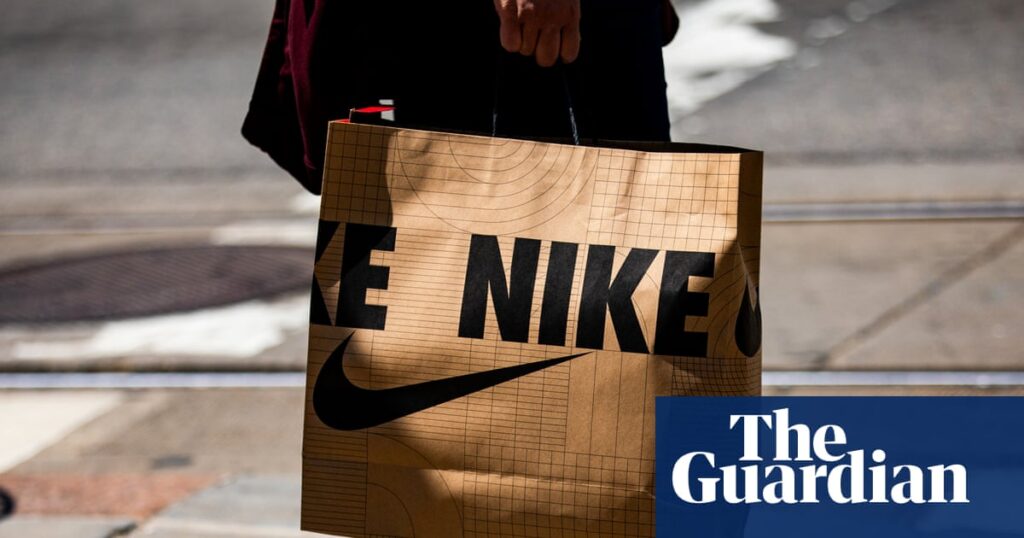
The US Equal Employment Opportunity Commission (EEOC) has initiated an investigation into Nike, probing allegations of discrimination against white employees and job applicants. This federal inquiry, announced on Wednesday, demands that Nike provide detailed information about its “Diversity, Equity, and Inclusion-related 2025 Targets and other DEI-related objectives.”
Nike has expressed surprise at the investigation, describing it as “surprising and unusual,” while maintaining that it complies with “all applicable laws” regarding discrimination. This development comes amidst a broader crackdown by the Trump administration on diversity initiatives, which the former president has labeled as “radical.”
EEOC’s Role and Response
The EEOC, tasked with enforcing laws against employment discrimination based on race, color, religion, sex, national origin, age, disability, or genetic information, has the authority to investigate such charges. Andrea Lucas, the EEOC chair appointed by President Trump, emphasized the agency’s commitment to enforcing these laws impartially.
“When there are compelling indications, including corporate admissions in extensive public materials, that an employer’s Diversity, Equity, and Inclusion-related programs may violate federal prohibitions against race discrimination or other forms of unlawful discrimination, the EEOC will take all necessary steps,” Lucas stated.
Lucas, a Republican, succeeded Charlotte Burrows, who was dismissed following Trump’s return to office. Under her leadership, the EEOC has focused on what she describes as evenhanded enforcement of Title VII, which prohibits race-based employment discrimination.
Trump Administration’s Stance on DEI
On his first day back in office, President Trump signed an executive order directing federal agencies to terminate all “equity-related” grants or contracts. He further mandated that federal contractors certify their non-promotion of DEI initiatives. The administration has also pressured universities to eliminate diversity programs or face potential loss of federal funding.
The EEOC’s investigation into Nike seeks information dating back to 2018, including criteria for employee layoffs, the company’s use of race and ethnicity data, and details about “16 programs which allegedly provided race-restricted mentoring, leadership, or career development opportunities.”
Nike’s Response and Cooperation
In response to the investigation, a Nike spokesperson highlighted the company’s commitment to fair employment practices and adherence to applicable laws. “We have had extensive, good-faith participation in an EEOC inquiry into our personnel practices, programs, and decisions,” the spokesperson said, noting that Nike has shared thousands of pages of information with the EEOC.
“We are committed to fair and lawful employment practices and follow all applicable laws, including those that prohibit discrimination,” the spokesperson added. “We believe our programs and practices are consistent with those obligations and take these matters seriously.”
Nike has pledged to continue cooperating with the EEOC and to respond to the agency’s petition, underscoring its identity as a “proud American company.”
Implications and Future Considerations
The investigation into Nike is part of a broader national debate over the role of diversity initiatives in the workplace. As the EEOC continues its inquiry, the case could set precedents for how diversity programs are structured and implemented in corporate America.
Experts suggest that the outcome of this investigation may influence future policies and practices, particularly in how companies balance diversity efforts with compliance to anti-discrimination laws. The scrutiny of Nike’s DEI programs reflects the ongoing tension between advancing diversity and ensuring equal treatment for all employees, regardless of race.
As the situation unfolds, stakeholders across industries will be watching closely to see how this high-profile case impacts the broader landscape of employment practices in the United States.