



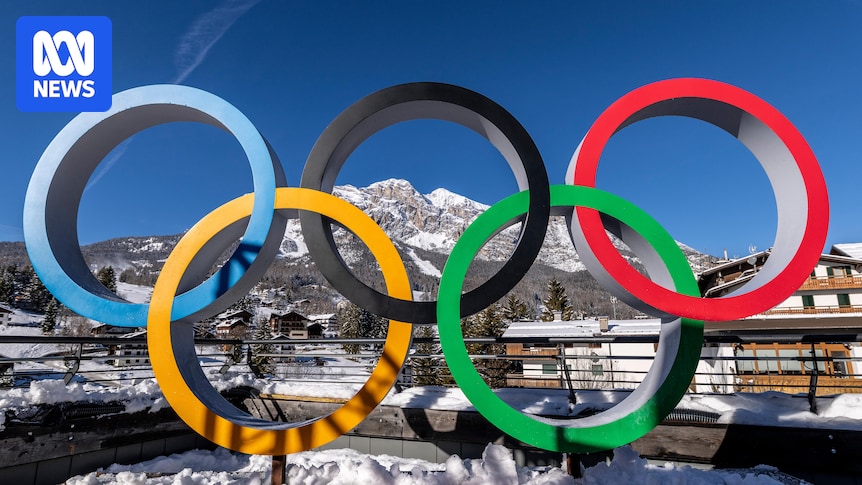
The Winter Olympics 2026, set to take place in Milan and Cortina d’Ampezzo, Italy, promises a spectacular showcase of athletic prowess and winter sports. Scheduled to commence on February 6, 2026, the games will feature a wide array of events across 15 disciplines. Fans worldwide can tune in to watch the thrilling competitions through various broadcasting networks and streaming services.
As the excitement builds, here’s a detailed look at the sports and events that will captivate audiences during the Winter Olympics.
Alpine Skiing: Speed Meets Precision
Alpine skiing, a staple of the Winter Olympics, consists of four main events divided into speed and technical categories. The speed events, downhill and Super-G, emphasize velocity with gates spaced further apart. In contrast, the technical events, giant slalom and slalom, require athletes to navigate closely spaced gates, demanding greater skill and precision.
Additionally, the team combined events see male and female athletes compete in both downhill and slalom, with combined times determining the winners. Alpine skiing first appeared in the Olympics in 1936 at the Garmisch-Partenkirchen Games.
Biathlon: A Test of Endurance and Accuracy
Biathlon, a sport combining cross-country skiing and rifle shooting, challenges athletes’ endurance and precision. Originating from military patrol events, competitors ski a course and shoot at targets from standing or prone positions. Missed shots result in penalty laps or time penalties.
Men’s events include 20km individual, 10km sprint, 15km mass start, 12.5km pursuit, and a 4×7.5km relay. Women’s events cover slightly shorter distances, with a mixed 4x6km relay also featured. Biathlon became an Olympic sport for men in 1960 and for women in 1992.
Bobsleigh: Speeding Down the Ice
Bobsleigh races feature three types of sleds: four-man, two-man or two-woman, and monobob. The four-man sled, as the name suggests, includes four athletes, while monobob is a solo event. The bobsleigh track in Cortina, known for its appearance in the James Bond film “For Your Eyes Only,” will host these exhilarating races.
Cross-Country Skiing: The Ultimate Endurance Challenge
Cross-country skiing, the oldest form of ski racing, tests athletes’ endurance over long distances. The sport includes classical and freestyle techniques, with events like the 10x10km skiathlon and 50km mass start classical. The first recorded race took place in 1842, highlighting the sport’s rich history.
Curling: Strategy on Ice
Curling, often compared to lawn bowls on ice, involves teams sliding granite stones towards a target. Each match consists of 10 ends, with teams curling eight stones per end. Curling originated in Scotland, with the oldest club, Kilsyth Curling Club, founded in 1716.
Figure Skating: Grace and Elegance
Figure skating, known for its beauty and grace, features individual and pair competitions, including leaps, throws, and spins. Ice dancing, choreographed to music, excludes lifts and throws. Swedish skater Gillis Grafström uniquely won gold in both Summer and Winter Olympics before figure skating became a Winter staple.
Freestyle Skiing: Aerials and Moguls
Freestyle skiing offers various formats, with aerials and moguls being Australia’s strongest events historically. Other disciplines include halfpipe, slopestyle, and ski cross. Australia has won five medals in aerials, the most of any Winter Olympic discipline.
Ice Hockey: A Return of the Best
Ice hockey, known for its physicality and speed, will feature NHL players for the first time since 2014. Both men’s and women’s tournaments will take place, continuing the sport’s Olympic tradition since its debut at the 1920 Summer Games.
Luge: Thrills and Speed
Luge, where athletes slide feet-first down an icy track, includes a doubles event with one slider atop another. German legend Georg Hackl, a three-time Olympic champion, is also a nine-time wok racing world champion, showcasing his diverse talents.
Nordic Combined: Ski Jumping Meets Cross-Country
Nordic combined merges ski jumping and cross-country skiing, with the Gundersen Method determining cross-country start times based on jump scores. Notably, it remains the only Olympic sport without a women’s competition.
Short Track Speed Skating: High-Speed Drama
In short track speed skating, skaters race around a 111.12-meter oval in heats, often resulting in thrilling crashes. Events include men’s and women’s races and relays, with Italian legend Arianna Fontana holding 11 Winter Olympic medals.
Skeleton: Face-First Adrenaline
Skeleton, similar to luge but face-first, sees athletes reaching speeds of 130-140 km/h. The sport debuted in St. Moritz, where the infamous Cresta Run challenges competitors with its half-pipe track.
Ski Jumping: Soaring to New Heights
Ski jumping features normal and large hills, with distances of 90 and 140 meters, respectively. Siblings Domen and Nika Prevc made headlines by winning ski jumping’s biggest tournament outside the Olympics this year.
Ski Mountaineering: A New Challenge
New to the Olympics, ski mountaineering involves climbing and descending mountains on skis. The competition includes a knockout sprint and a mixed relay, with the first world championships held in 2002.
Snowboarding: Style and Speed
Snowboarding events include halfpipe, slopestyle, and big air, along with snowboard cross and parallel giant slalom. Ross Rebagliati famously won the first Olympic snowboard gold in 1998, later reinstated after a cannabis-related controversy.
Speed Skating: Graceful Speed
Speed skating, on a 400-meter oval, features individual time trials and team pursuits. Events range from 500m to 10,000m, showcasing the athletes’ speed and endurance.
As the Winter Olympics 2026 approaches, anticipation builds for these thrilling events. Fans worldwide eagerly await the opportunity to witness history in the making as athletes compete for glory on the grandest stage.