



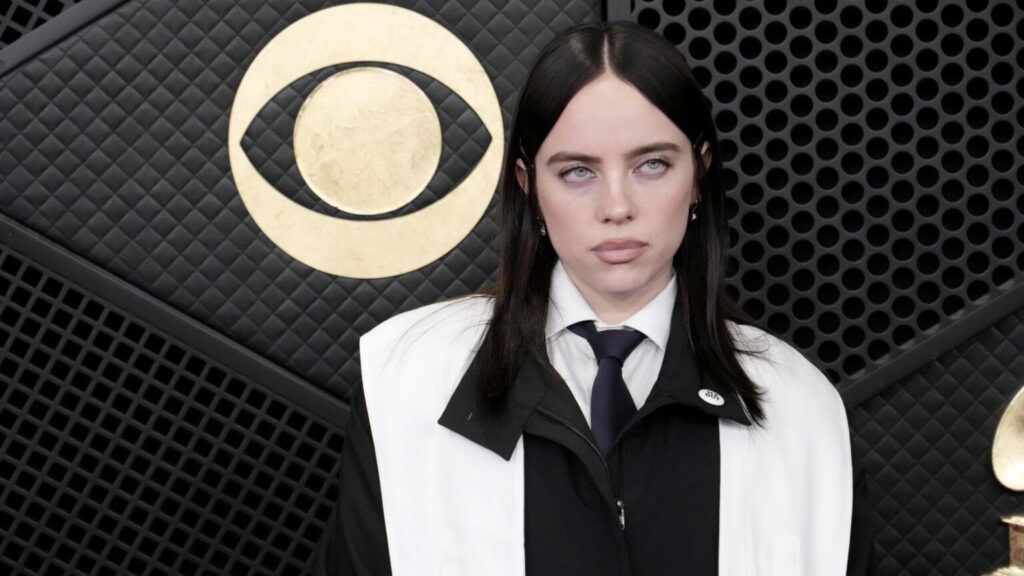
LOS ANGELES, CALIFORNIA - FEBRUARY 01: (FOR EDITORIAL USE ONLY) Billie Eilish attends the 68th GRAMMY Awards at Crypto.com Arena on February 01, 2026 in Los Angeles, California. (Photo by Jeff Kravitz/FilmMagic)
A cynic once remarked that people become artists for wealth, attention, and beautiful lovers. This notion extends to all branches of the creative and performing arts. While many celebrities speak passionately about their craft, the allure of fame and recognition often drives them. However, when celebrities venture into the political arena, their influence can become contentious, as seen in recent debates over immigration policies in the United States.
The intersection of celebrity culture and politics has been a topic of discussion, especially when stars endorse political candidates or causes. The 2020 U.S. presidential election highlighted this dynamic, with high-profile endorsements failing to secure a win for Kamala Harris, despite support from Beyoncé, Bruce Springsteen, and others. This raises questions about the effectiveness of celebrity endorsements in swaying public opinion.
The Celebrity Influence on Politics
In the world of showbiz, stars often form tight-knit communities, socializing and vacationing together. Their children, too, form close bonds, creating what some describe as ‘nepo-baby’ gangs. While these interactions are typically private, they become a public concern when celebrities use their platforms to influence political discourse.
During the Grammy Awards, several celebrities, including Billie Eilish, used their acceptance speeches to criticize the Trump administration’s immigration policies. Eilish’s comments, “No one is illegal on stolen land,” resonated with many but also sparked debate about the role of celebrities in political discussions.
Historical Context and Public Perception
The involvement of celebrities in politics is not new. Historically, stars have leveraged their fame to advocate for various causes. However, the impact of their endorsements is often mixed. According to a study by the Journal of Political Marketing, celebrity endorsements can sometimes repel voters rather than attract them.
“The test of a first-rate intelligence is the ability to hold two opposed ideas in the mind at the same time and still retain the ability to function.” — F. Scott Fitzgerald
This quote captures the public’s ability to admire celebrities while disagreeing with their political stances. The Grammy Awards highlighted this dichotomy, with some stars wearing ‘ICE OUT’ badges to protest U.S. Immigration and Customs Enforcement policies. Yet, the public’s response remains divided.
The Risks of Celebrity Endorsements
While some celebrities genuinely engage with social issues, others may be perceived as out of touch with the everyday concerns of their fans. The relationship between stars and their audiences is complex, often characterized by a thin line between admiration and skepticism.
Critics argue that celebrities, living in opulent mansions and surrounded by luxury, may not fully grasp the realities faced by ordinary citizens. The backlash against celebrity endorsements can sometimes overshadow the intended message, as seen with the mixed reactions to the Grammy protests.
Looking Forward: The Future of Celebrity Activism
As technology evolves, the role of celebrities in shaping public opinion may change. The rise of AI artists, such as Xania Monet, who recently hit the U.S. Billboard charts, suggests a future where performers can entertain without engaging in political discourse.
Until then, celebrities advocating for causes like immigration reform might consider the old adage: “It is better to keep your mouth shut and be thought a fool than to open it and remove all doubt.” This sentiment reflects the delicate balance stars must maintain when using their platforms to influence public opinion.
Conclusion: Navigating the Intersection of Fame and Politics
The debate over celebrity involvement in politics is unlikely to disappear. As public figures continue to speak out on contentious issues, their influence will be scrutinized. The challenge lies in balancing their desire to advocate for change with the risk of alienating their audience.
Moving forward, celebrities may need to adopt a more nuanced approach, recognizing the complexities of the issues they champion. By doing so, they can contribute meaningfully to the political discourse without overshadowing the voices of those directly affected by the policies they seek to change.