



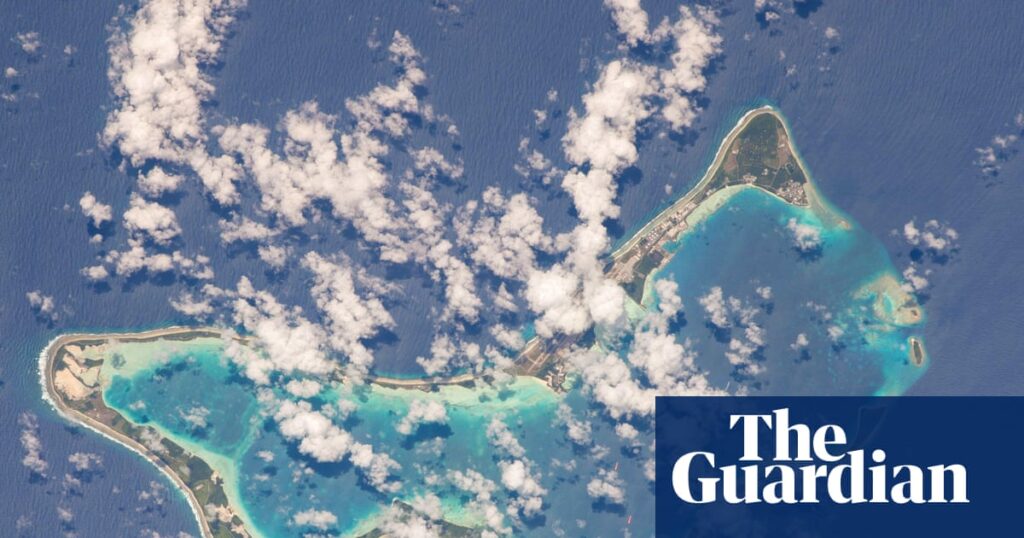
In a significant policy shift, the UK government has agreed to allow fishing in the Chagos Islands for the first time in 16 years, as part of a deal to return the territory to Mauritius. This decision has alarmed conservationists, who fear the impact on one of the world’s most pristine marine reserves.
The Chagos Islands, located in the Indian Ocean, are home to a marine protected area (MPA) established in 2010, which is one of the largest “no-take” zones globally. The MPA, spanning 247,000 square miles, is a sanctuary for diverse marine life, including over 800 fish species and 76 species on the International Union for Conservation of Nature’s red list. Conservationists argue that the reserve’s success in preserving biodiversity is due to the strict fishing ban.
Balancing Cultural Heritage and Conservation
The decision to permit non-commercial fishing is seen as a crucial step for the Chagossian people, who were displaced from the islands decades ago. Fishing was historically a vital part of their culture and livelihood. Richard Ally, from Chagossian Voices, emphasized the importance of allowing the community to reconnect with their heritage through regulated fishing practices.
“As Chagossians, the sea was a part of the Chagossian culture. To allow Chagossians back to the Chagos and not allowing them to fish isn’t a proper resettlement,” Ally stated.
However, Ally expressed concerns about Mauritius’s capacity to enforce regulations effectively, suggesting that the government might struggle to manage the MPA independently once the UK relinquishes control.
Conservationists Voice Concerns
Despite assurances from the Mauritian government about maintaining high conservation standards, some experts remain skeptical. Dr. Enric Sala, founder of the National Geographic Society’s Pristine Seas project, argues that the MPA should remain a no-take zone to protect its unique ecosystem.
“Chagos’s waters are living time machines that show us what the ocean looked like before humanity began to empty it. It’s critical to understand that Chagos is a ‘fish bank,'” Sala noted.
Similarly, Labour MP Emily Thornberry has called for a legally binding agreement to ensure the area remains protected, stressing the need for enforceable measures to prevent illegal fishing activities.
Historical Context and Future Implications
The establishment of the Chagos MPA was initially controversial, with accusations that the UK and US governments implemented the fishing ban to hinder the Chagossian people’s return. The new agreement aims to address these historical grievances by integrating cultural considerations with environmental protection.
Prof. Heather Koldewey of the Zoological Society of London is involved in developing the new plans. She highlighted the need for dedicated financing and practical solutions to balance conservation with the community’s needs.
“The Mauritius government have repeatedly spoken on their high conservation ambition for the new MPA and commitment to not allowing any commercial fishing in the waters,” Koldewey explained.
As the handover approaches, both the UK and Mauritius have reiterated their commitment to protecting the Chagos marine environment. However, the effectiveness of these measures will depend on robust enforcement and international cooperation.
The unfolding situation in the Chagos Islands underscores the complex interplay between conservation efforts and the rights of displaced communities. As stakeholders work towards a sustainable solution, the world will be watching closely to see how this unique marine reserve is managed in the years to come.