

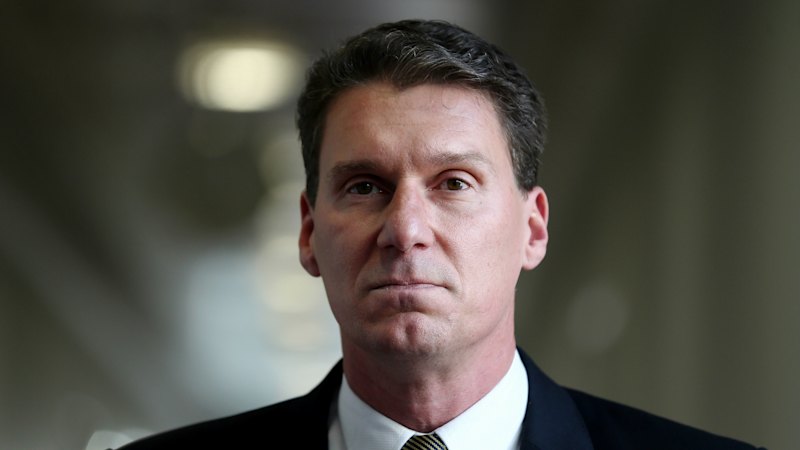
The Victorian parliament has expressed its condolences to the victims of the December 14 terror attack on the Jewish community at Bondi Beach, where 15 people were tragically killed during a Hanukkah celebration. This somber acknowledgment comes amid a backdrop of political upheaval, including the recruitment of Cory Bernardi by One Nation and unresolved tensions within the Coalition.
In a motion to condemn the atrocity, Victorian Premier Jacinta Allan apologized to Jewish Australians, admitting governmental failures. “The truth is that governments let you down,” Allan told the parliament. “Your fears were real. Your warnings were clear. And we failed. I want you to know how sorry I am.”
Remembering the Victims
Opposition Leader Jess Wilson emphasized the lasting impact of the attack by naming all 15 victims, including Boris and Sofia Gurman, Edith Brutman, and 10-year-old Matilda. “Many in the community had been warning that escalating antisemitism would culminate in a targeted and deadly act of violence against Australian Jews,” Wilson stated. “The time for ‘never again’ is now.”
Deputy Premier Ben Carroll highlighted the targeted nature of the attack and paid tribute to first responders and civilians who risked their lives. “The world knows the story of Ahmed al Ahmed, who wrestled a gun away from one of the attackers. His courage symbolizes the best of Australian multiculturalism,” Carroll said. “This is not a fight between one religion and another, but between extremism and intolerance.”
Political Repercussions and Debates
Meanwhile, the Senate is engaged in a heated debate over an alleged attack during an Invasion Day rally in Perth. Independent senator Lidia Thorpe criticized Prime Minister Anthony Albanese for insufficient action, labeling the incident as “an act of horrific, overt hate and racism.”
Minister for Indigenous Australians Malarndirri McCarthy described the event as an attack on social cohesion, urging consistent focus and condemnation from all political leaders. Opposition Indigenous spokesperson Kerrynne Liddle proposed an amendment to broaden the motion’s language to include “all Australians,” which ultimately failed.
“This was an attack on the social cohesion of the Australian community. It was an attack on all Australians,” McCarthy stated.
Coalition Turmoil and One Nation’s Rise
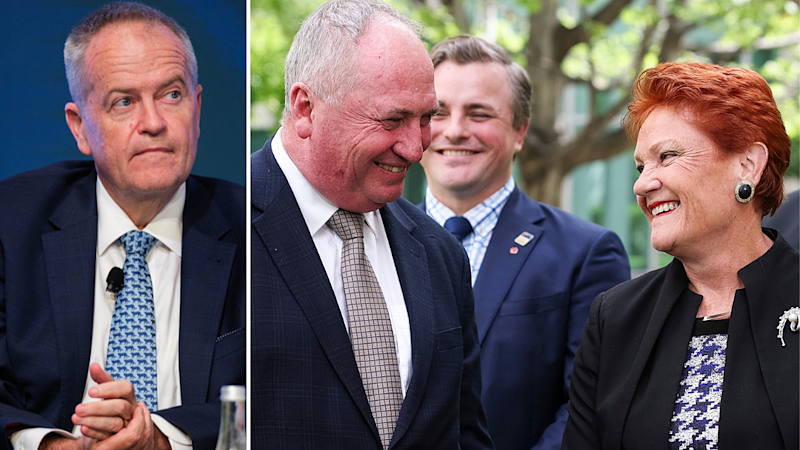
The political landscape is further complicated by the Coalition’s internal strife, which has led to a rise in popularity for Pauline Hanson’s One Nation. Labor MP Sally Sitou commented on the situation, attributing One Nation’s surge to the Coalition’s fragmentation. “I think the rise in One Nation is because of the splintering of the Coalition,” Sitou remarked.
Polling indicates a growing support for One Nation following the Nationals’ split from the Coalition, highlighting the instability within the major political parties.
House of Representatives Dynamics
In the House of Representatives, Leader of the House Tony Burke and opposition business manager Alex Hawke are embroiled in a debate over sessional orders. Burke proposed changes to equalize the number of questions between the crossbench and opposition during question time, a move opposed by the Coalition.
One Nation’s Barnaby Joyce criticized the changes, suggesting they would prolong question time unnecessarily. Hawke argued that the changes reduce parliamentary transparency and scrutiny, accusing the government of manipulating the situation to its advantage.
“This erodes the parliament’s ability to do its job,” Hawke asserted.
Despite these objections, Labor’s majority ensures the passage of the proposed changes, reflecting the ongoing challenges faced by the fragmented Coalition.
Looking Ahead
The recent attacks and political developments underscore the need for unity and decisive action against extremism and hate. As Australia grapples with these challenges, the government and opposition must navigate a complex political landscape to restore public confidence and ensure national security.
The coming weeks will be critical as the government implements changes to parliamentary procedures and addresses the broader implications of the recent attacks. Observers will be watching closely to see how these events shape the future of Australian politics and society.