




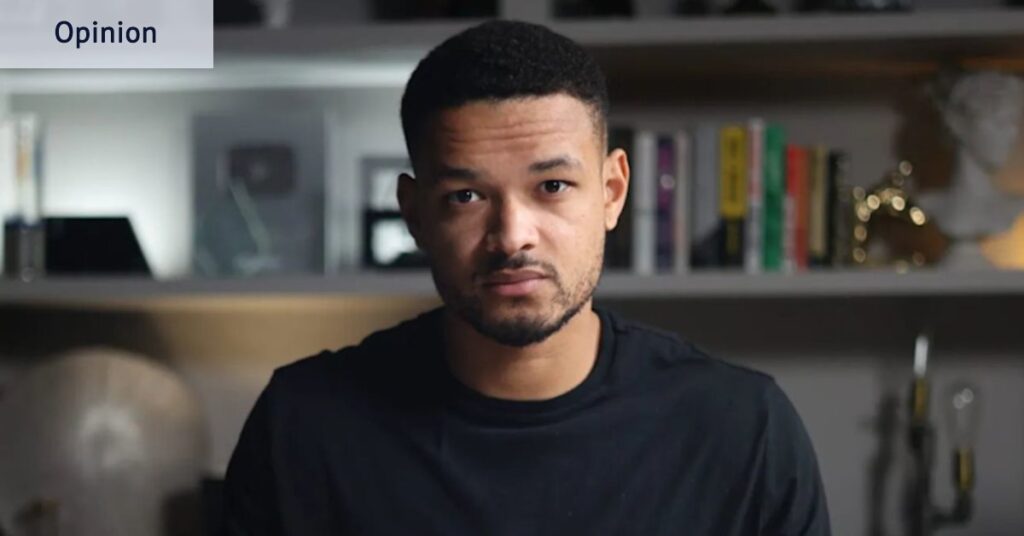
Recently, two of the world’s most popular podcasters have sparked controversy by attributing declining global birth rates to women’s increased participation in the workforce and higher education. The discussion, which aired on “The Diary of a CEO,” a podcast streamed by 3 million people daily, featured host Steven Bartlett and guest Chris Williamson, a former “Love Island UK” contestant turned podcaster.
Williamson argued that women’s socioeconomic emancipation is a key factor in the declining birth rates observed across Western countries. “It’s a function of a lot of things,” he stated, “specifically, women’s socioeconomic emancipation into the workforce and higher education means that at 18, the first thing you [women] do isn’t get married.”
While the issue of declining birth rates is real, with many countries experiencing rates below the 2.1 replacement figure necessary to maintain population levels, the conversation has drawn criticism for its oversimplification and perceived blame on women. According to the Australian Bureau of Statistics, the birth rate hit a record low of 1.48 in 2024, with the UK at 1.41 and the United States at 1.6.
Controversial Perspectives and Reactions
The discussion on “The Diary of a CEO” did not stop at women’s roles. Williamson also mentioned an “anti-family message,” citing a single female TikTok creator as evidence. This perspective, coupled with Bartlett’s previous comments on male genetic legacy, has fueled further debate.
“A huge amount of men between the age of 15 and 50 will not pass on their genes. They will effectively die out of the gene pool … Many people will go, ‘well that’s evolution’. But I want to understand if there’s a counterpoint to that. Should society intervene?” — Steven Bartlett
Critics argue that Bartlett’s comments suggest a desire for societal intervention that could infringe on women’s autonomy, drawing parallels to dystopian narratives like “The Handmaid’s Tale.” The discourse has led to questions about whether Bartlett is promoting ideas associated with the “manosphere,” a network of online communities focused on men’s issues, often with controversial views on gender roles.
Complex Realities Behind Declining Birth Rates
Experts point out that the reasons behind declining birth rates are multifaceted and not solely attributable to women’s choices. Economic pressures, the cost of raising children, and the availability of childcare are significant factors. Additionally, climate change concerns and difficulties in finding and maintaining relationships contribute to the trend.
“In Australia, the decline can be explained by two predominant demographics: women who are choosing to have no children at all, and people who are having children later in life.” — Demographic Expert
These realities highlight the complexity of the issue, contrasting sharply with the simplified narrative presented by Bartlett and Williamson. The notion that women’s career aspirations are the primary cause of declining birth rates ignores the broader socio-economic context in which these decisions are made.
Implications and Future Considerations
The podcast episode has sparked a broader conversation about gender roles, societal expectations, and the future of family structures. It raises questions about how societies can adapt to changing demographics without resorting to regressive policies that limit individual freedoms.
As debates continue, it is crucial to include diverse perspectives, particularly those of women and subject-matter experts, in discussions about population trends. This inclusive approach can help ensure that solutions are equitable and reflective of the complexities involved.
The controversy surrounding “The Diary of a CEO” underscores the need for nuanced discussions about demographic changes. As societies grapple with these challenges, the focus should remain on understanding the diverse factors at play and fostering environments where individuals can make informed choices about their lives.