



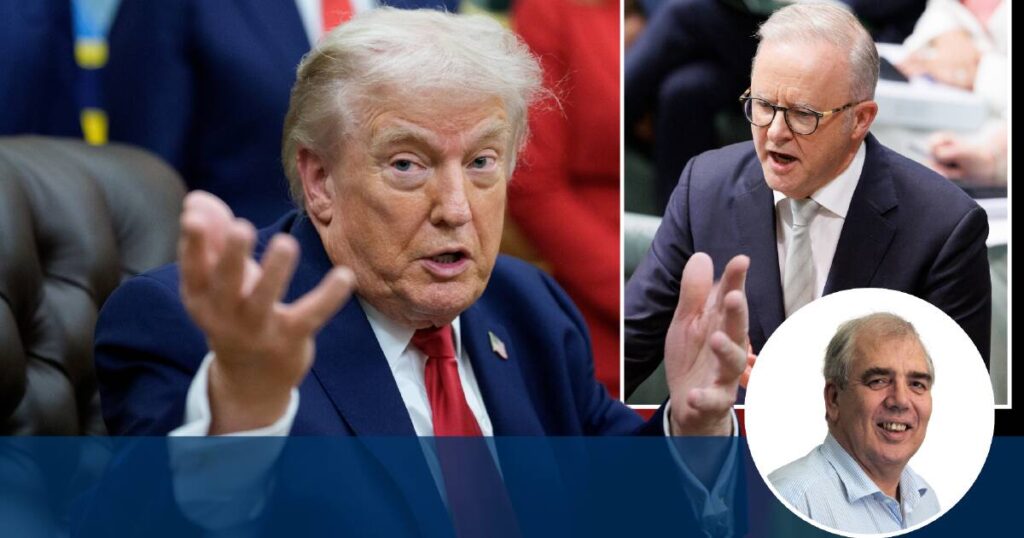
In a rapidly evolving geopolitical landscape, nations around the world are reconsidering their alliances and trade partnerships, distancing themselves from the United States amidst the controversial policies and rhetoric of former President Donald Trump. This shift is marked by a growing sentiment against unilateralism and coercive economic tactics, as countries seek to forge a new path in international relations.
Prime Minister Anthony Albanese of Australia and his ministers have maintained a notable silence on this pivotal moment in history, reflecting a cautious approach to aligning with a burgeoning global movement. This movement is characterized by a determination to resist the perceived bullying tactics of Trump, who has often found himself at odds with international norms and institutions.
European Unity and New Economic Alliances
The European Union, traditionally a strong ally of the United States, is exploring the possibility of reducing its reliance on American-dominated structures such as NATO. This is partly inspired by Canadian Prime Minister Mark Carney’s influential speech at the World Economic Forum in Davos, where he outlined the potential for a new economic world order that could replace the existing frameworks established post-World War II.
“Most countries agreed with Carney’s description of a potential new economic world order to serve in the place of the international institutions, rules and framework set up 80 years ago.”
In response to Trump’s erratic tariff policies and threats, European nations are actively pursuing trade agreements with countries like India and Indonesia. These deals aim to create robust trading blocs that exclude the United States, offering an alternative to the unpredictable economic environment fostered by Trump’s administration.
Australia’s Strategic Position
Australia, with its diverse trade agreements spanning India, Southeast Asia, China, Japan, and beyond, finds itself at a crossroads. The ongoing negotiations with the EU, bolstered by the recent deal with India, highlight Australia’s strategic intent to diversify its economic partnerships. This aligns with a broader global trend towards multilateral agreements that prioritize stability and mutual benefit over unilateral dominance.
Despite the complexities involved in these negotiations, particularly concerning agricultural products, the overarching goal remains clear: to establish a network of agreements that foster open trade and resolve disputes through established legal frameworks rather than ad hoc interventions.
The China Factor
China’s role in this shifting landscape is significant. As it seeks to diversify its markets amidst trade tensions with the United States, China is poised to become a key player in the emerging global order. Australia’s substantial trade surplus with China underscores the importance of maintaining a balanced relationship that separates economic interests from defense alliances.
The potential for China to engage in these new multilateral agreements is evident, as it aims to reduce its vulnerability to American economic pressure. This strategic diversification aligns with the broader global movement towards a more inclusive and balanced international trade system.
Implications for Global Order
The decline of American influence, exacerbated by Trump’s policies, has prompted nations to reassess their positions on the global stage. The emphasis on national interest, adherence to international norms, and respect for law and due process is driving this shift towards a more multipolar world order.
As countries like Australia navigate this complex environment, the challenge lies in balancing traditional alliances with the need to embrace new economic opportunities. The potential for a new global order, less reliant on American dominance, offers both challenges and opportunities for nations seeking to assert their sovereignty and economic independence.
In conclusion, the waning influence of Trumpism presents a unique opportunity for nations to redefine their roles in the global arena. By forging new alliances and prioritizing multilateral cooperation, countries can create a more stable and equitable international system that reflects the diverse interests and values of its participants.