



When most people hear the term “vaccine,” they often think of protection against infectious diseases like the flu or pneumonia. However, a groundbreaking approach is emerging in the field of oncology: cancer vaccines. These innovative treatments aim to teach the body to target and destroy cancer cells, offering new hope in the fight against this complex disease.
The concept of a vaccine that combats cancer might seem novel, yet it draws on the same principles as traditional vaccines. Typically, vaccines for infectious diseases are made from a weakened form of the virus, which is introduced into the body to trigger an immune response. This response builds antibodies and T cells—often referred to as “killer cells”—that identify and eliminate the virus.
Understanding Cancer Vaccines
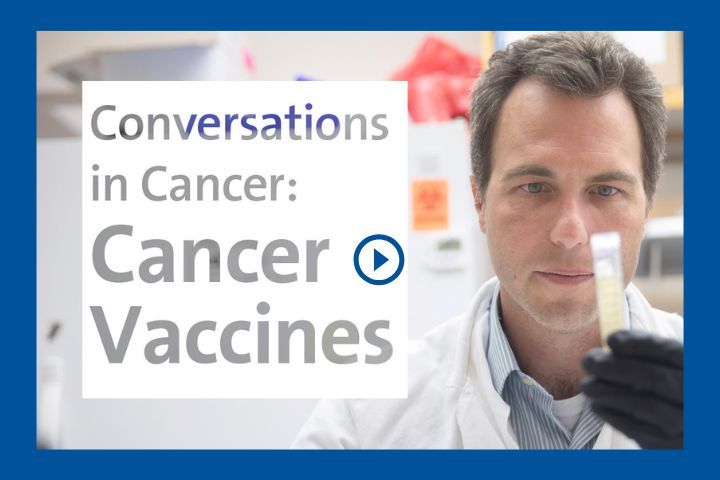
Cancer vaccines operate on a similar premise. They are designed to stimulate the immune system to recognize cancer cells as threats and attack them. This innovative approach was recently discussed in the first episode of the “Conversations in Cancer” video series, hosted by the Duke Cancer Institute (DCI). The series features discussions between Duke Health medical oncologist Diane Reidy-Lagunes and DCI cancer vaccine researcher Zachary Hartman.
The video series aims to demystify complex cancer topics for the general public. Future episodes promise to delve into other cutting-edge topics such as microplastics, cellular therapy, and multi-cancer early detection tests.
The Science Behind Cancer Vaccines
Unlike traditional vaccines, cancer vaccines are often personalized. They are developed using antigens from a patient’s own tumor cells, which makes them highly specific. This personalization is crucial because cancer cells can vary greatly between patients, and even within the same tumor.
According to Dr. Hartman, “The goal of cancer vaccines is to train the immune system to recognize cancer cells as foreign, much like it would recognize a virus or bacteria.” This training involves presenting the immune system with specific proteins found on cancer cells, prompting an immune response that targets these cells for destruction.
“The goal of cancer vaccines is to train the immune system to recognize cancer cells as foreign, much like it would recognize a virus or bacteria.” – Dr. Zachary Hartman
Challenges and Future Directions
While the potential of cancer vaccines is immense, there are significant challenges to overcome. One major hurdle is the ability of cancer cells to evade the immune system. Cancer cells can mutate rapidly, making it difficult for the immune system to keep up. Additionally, tumors can create an immunosuppressive environment that hinders the effectiveness of vaccines.
Despite these challenges, research is advancing rapidly. Clinical trials are underway to test the efficacy of various cancer vaccines, and early results are promising. Some vaccines are being developed to prevent cancer in high-risk individuals, while others aim to treat existing cancers.
Dr. Reidy-Lagunes emphasizes the importance of continued research and collaboration in this field. “We are at the forefront of a new era in cancer treatment. With each study, we learn more about how to harness the power of the immune system to fight cancer.”
“We are at the forefront of a new era in cancer treatment. With each study, we learn more about how to harness the power of the immune system to fight cancer.” – Dr. Diane Reidy-Lagunes
Implications for the Future
The development of effective cancer vaccines could revolutionize cancer treatment, offering a less invasive and more targeted approach compared to traditional methods like chemotherapy and radiation. As research progresses, these vaccines could become a cornerstone of personalized medicine, tailored to the unique genetic makeup of each patient’s cancer.
Looking ahead, the integration of cancer vaccines with other therapies, such as checkpoint inhibitors and CAR T-cell therapy, could enhance their effectiveness. This multi-pronged approach may lead to more durable responses and potentially even cures for some types of cancer.
The exploration of cancer vaccines represents a significant shift in how we approach cancer treatment. As researchers continue to unlock the secrets of the immune system, the hope is that one day, cancer vaccines will not only treat but also prevent cancer, transforming the landscape of oncology forever.