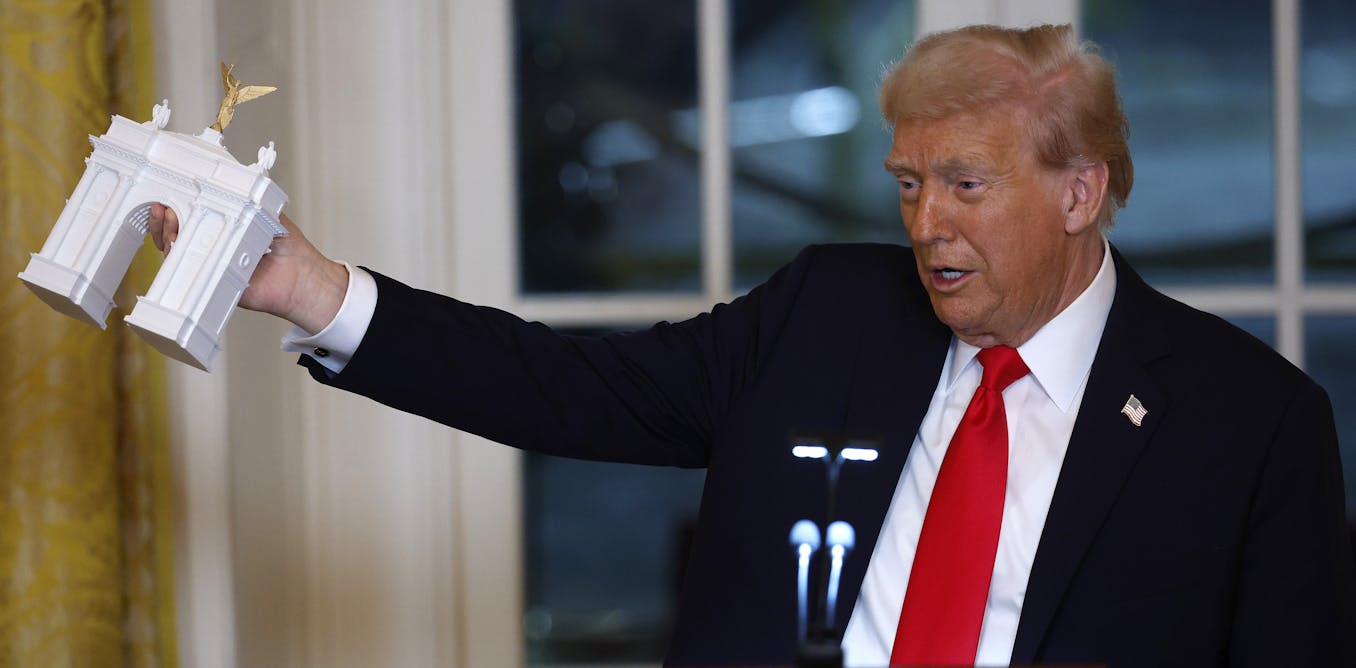



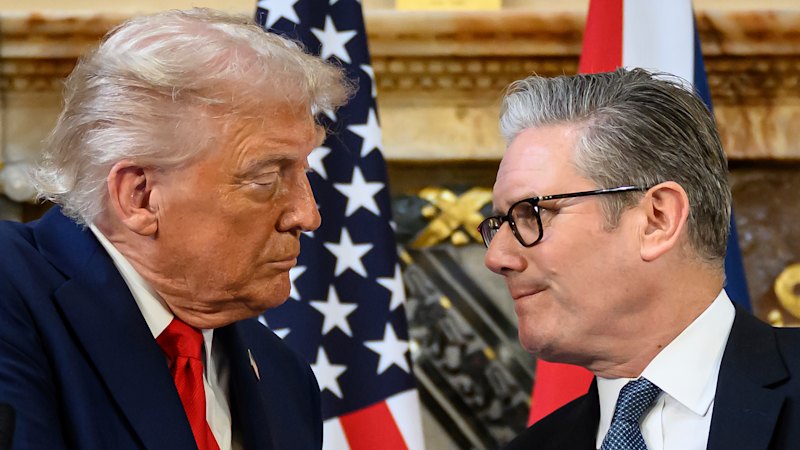
US President Donald Trump has ignited a wave of anger across Europe after making remarks that belittled the contributions of allied troops in Afghanistan. Speaking during an interview with Fox News at the World Economic Forum in Davos, Trump claimed that allied forces “stayed a little back” from the front lines, a statement that has been met with fierce criticism from war veterans and political leaders alike, including Prince Harry.
UK Prime Minister Keir Starmer was quick to demand an apology from Trump, a sentiment echoed by conservative leaders and the families of those who served. “I will never forget their courage, their bravery, and the sacrifice they made for their country,” Starmer stated, condemning Trump’s comments as “insulting and frankly appalling.”
International Backlash and Historical Context
The uproar dominated British media and quickly spread to France and other NATO allies. Trump’s comments questioned the reliability of NATO, repeating his longstanding grievances while adding a new layer of controversy by disparaging the service of allied troops in Afghanistan. This comes despite the fact that NATO invoked Article 5 for the first and only time in history after the September 11 attacks, leading to a collective military response in Afghanistan.
Prince Harry, who served in Afghanistan, joined the chorus of condemnation. “In 2001, NATO invoked Article 5 for the first – and only – time in history,” he stated. “It meant that every allied nation was obliged to stand with the United States in Afghanistan, in pursuit of our shared security. Allies answered that call.”
“I served there. I made lifelong friends there. And I lost friends there. The United Kingdom alone had 457 service personnel killed. Thousands of lives were changed forever.”
Political and Military Reactions
The intense criticism from the UK and beyond has raised questions about the planned visit of King Charles III to the US later this year, a visit significant in light of Trump’s admiration for the British royal family. Former paratrooper Ben Parkinson, who was severely injured in Afghanistan, expressed his shock at Trump’s remarks, while his mother, Diane Dernie, labeled them “disgraceful.”
French military historian Michel Goya also rebuked Trump, writing on social media, “May the ghosts of the 1000 European and Canadian soldiers who fell in Afghanistan come to haunt you.” Meanwhile, NATO Secretary General Mark Rutte reminded Trump of the alliance’s sacrifices during their meeting in Davos.
“For every two Americans who paid the ultimate price, there was one soldier from another NATO country who did not come back to his family.”
Implications for NATO and Future Relations
Trump’s remarks have amplified existing tensions within NATO, following a week marked by disputes over his demand for Greenland and threats of tariffs on several nations, including key allies. Although Trump withdrew the tariff threat and ruled out taking Greenland by force, his Afghanistan comments have reignited debates over the alliance’s cohesion and reliability.
Polish Prime Minister Donald Tusk, recalling his visit to Afghanistan in 2011, emphasized the contributions of Polish troops. “The American officers who accompanied me then, told me that America would never forget the Polish heroes,” Tusk noted, urging Trump to remember these sacrifices.
Trump’s assertion that the US has never asked anything of NATO allies is factually incorrect. Under Article 5, an attack on one member is treated as an attack on all, a principle that was put into action after the 9/11 attacks. Allies, including Australia and the Netherlands, committed troops to Afghanistan, with many serving on the front lines.
As the controversy continues to unfold, the international community watches closely to see how these tensions will affect future diplomatic and military collaborations within the Western alliance.