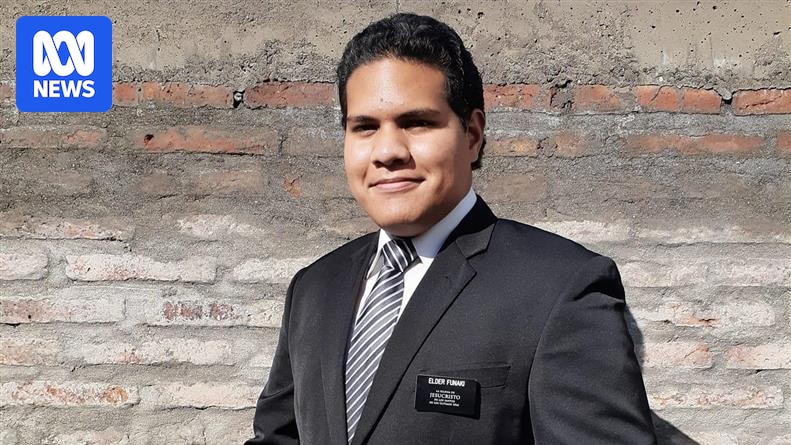
Tongan citizen Lionel Funaki fears that a United States policy of “collective punishment” has ended his dream of studying in Hawaii. He is among many in the Pacific Island nation grappling with the Trump administration’s new travel restrictions affecting Tongan nationals.
Under new immigration restrictions that came into effect on January 1, the US has suspended issuing visas to Tongans for short-term visits, tourism, and business purposes. Just two weeks after these rules were implemented, the US State Department announced a separate measure to suspend processing immigrant visas for people from 75 countries, including Fiji.
Mr. Funaki, who is based in Tonga and previously studied at Brigham Young University in Hawaii, expressed his disappointment over the new measures. “I was looking forward to continuing my educational journey, but unfortunately, that now looms in limbo,” he said.
Background on the Restrictions
Tonga was named alongside 20 other countries in a round of full and partial travel restrictions imposed in December by the Trump administration as part of its sweeping immigration crackdown. The White House cited the high number of Tongan nationals — about 14 percent — who overstayed their visas as a reason for the inclusion.
The administration also pointed to Tonga’s unreliable civil documents and criminal records, lack of birth registration systems, and its government’s refusal to share data and repatriate deportees. US Homeland Security Secretary Kristi Noem stated, “I would tell everyone that America is a land of hospitality, we love to have visitors — but they have to come here legally. When they’re done visiting, then they need to go home.”
“Such countries warrant continued or new travel restrictions,” US President Donald Trump said in a December statement.
Impact on Tongan Community
The US travel restrictions have stirred frustrations in Tonga, which has a significant diaspora living in states such as Utah, Hawaii, and San Francisco. According to the most recent census in 2020, about 78,000 people of Tongan heritage reside in the US, and many regularly travel between the two countries.
The diaspora plays a crucial role in Tonga’s economy, being the largest source of remittances to the Pacific nation. The US has long been viewed as a “land of opportunity” for Tongans seeking education, wealth, and a higher standard of living overseas. “Since the 60s, most of the immigration was the result of Tongans coming through the Church of Jesus Christ [of] Latter-Day Saints,” said Tongan-born American citizen Semisi Fa’asolo, who lives in Phoenix, Arizona.
Experts warn that travel bans could pose problems for families hoping to visit US-based relatives on religious or cultural occasions or to provide support. The ABC approached newly-elected Tongan Prime Minister Lord Fakafanua, but he declined to comment. His predecessor, ‘Aisake Eke, was critical of the travel restrictions while in office, telling local media it was “unacceptable.”
Criticism and Controversy
Many in the US have condemned the move, accusing the Trump administration of racism and being motivated by anti-immigrant sentiment. “We need not enact these draconian restrictions,” Hawaii state senator Jarrett Keohokalole said, suggesting that visa overstay rates among Tongans could be addressed through diplomacy.
Senator Keohokalole argued that the new restrictions were excessive and followed a Supreme Court ruling interpreted as empowering US Immigration and Customs Enforcement (ICE) to racially profile suspects. “They’re allowed to take into account a person’s skin color … and speech in their investigations,” he said. “Basically what the law now allows is for [ICE] agents to stop, investigate, detain, and potentially arrest anyone that they think resembles a Tongan national.”
Other critics have linked the US travel restrictions to the Trump administration’s controversial ramp-up in arrests of suspected illegal immigrants. National Tongan American Society executive director Fahina Pasi stated that Mr. Trump’s policies, enforced by ICE, had caused anxiety among the Tongan diaspora. “Not too many people are traveling [overseas] for fear that something might happen … that immigration [officials] might not let them back in for whatever reasons they have,” Ms. Pasi said.
“[Mr. Trump is] very racist and is always trying to put people of color down,” she added.
Ms. Pasi noted that her organization had been actively advising the community about their legal rights and protections against arrest by ICE personnel. “What we tell our people is, ‘If you see some strange people coming to your door that look kind of fishy, don’t open your door,'” she said. “Slide this red card under and the red card basically says, ‘Contact our attorney.'”
Looking Ahead
The travel restrictions represent a significant shift in US-Tonga relations, nearly three years after Washington opened a new embassy in Tonga’s capital, Nuku’alofa, as a gesture of re-engagement with the Pacific. As tensions rise, the future of Tongan nationals seeking opportunities in the US remains uncertain, with many hoping for a diplomatic resolution to ease the restrictions.
For now, the Tongan community both in the US and abroad remains on edge, grappling with the implications of these new policies and their impact on families and future generations.