
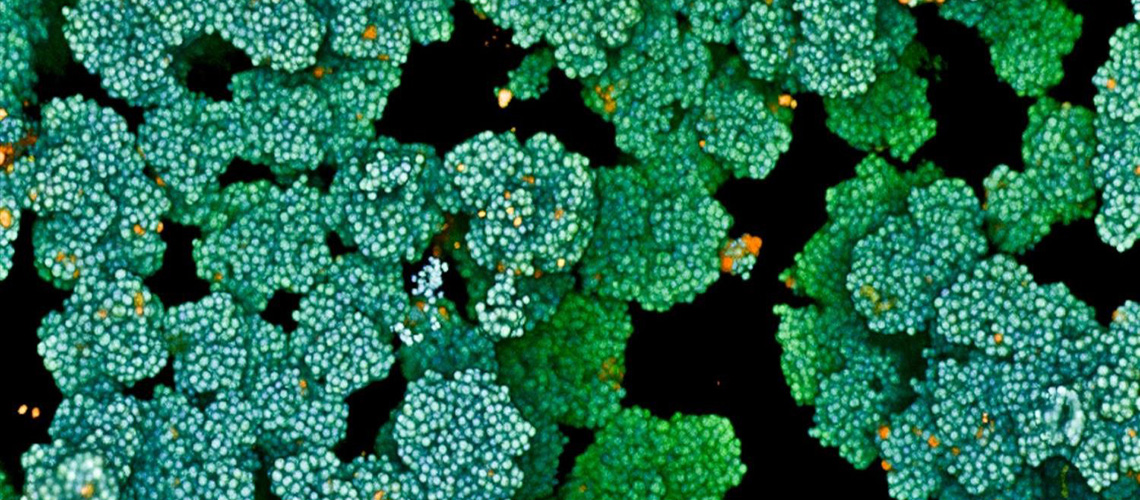



The World Health Organization (WHO) has assessed that the risk of the Nipah virus spreading beyond India is low, following the confirmation of two infections in the country. The global health body does not recommend imposing travel or trade restrictions, despite heightened vigilance in several Asian countries.
Countries such as Hong Kong, Malaysia, Singapore, Thailand, and Vietnam have intensified airport screenings as a precautionary measure. This follows India’s announcement of the infections, which prompted regional concerns about potential spread.
WHO’s Assessment and Response
According to an email statement to Reuters, the WHO stated, “The risk of further spread of infection from these two cases is low.” The organization emphasized India’s capacity to manage and contain such outbreaks effectively. It noted that there is currently no evidence of increased human-to-human transmission, underscoring the collaborative efforts with Indian health authorities.
While the WHO acknowledges the possibility of further exposure, it highlights that the virus primarily circulates within bat populations in India and neighboring Bangladesh. The virus, carried by fruit bats and animals like pigs, can cause severe symptoms such as fever and brain inflammation, with a fatality rate ranging from 40% to 75%. Although vaccines are under development, they are still in the testing phase.
Transmission and Public Health Implications
Nipah virus transmission to humans typically occurs through contact with infected bats or contaminated fruit. Direct person-to-person transmission is rare and usually requires prolonged exposure to an infected individual. According to virologists, the risk to the general population remains low, and small outbreaks are not uncommon.
“There is no evidence yet of increased human-to-human transmission,” the WHO reiterated, maintaining a cautious but reassuring stance.
The source of the current infections remains under investigation. The WHO classifies Nipah as a priority pathogen due to its high fatality rate, lack of licensed vaccines or treatments, and potential to mutate into a more transmissible variant.
Current Situation in India
The recent infections were reported in India’s eastern state of West Bengal, where two health workers are currently receiving treatment in hospital. India has a history of sporadic Nipah outbreaks, particularly in the southern state of Kerala, which is considered one of the highest-risk regions globally for the virus. Kerala has experienced several outbreaks since the virus first emerged there in 2018, resulting in numerous fatalities.
This marks the seventh documented Nipah outbreak in India and the third in West Bengal. Previous outbreaks in the state occurred in 2001 and 2007 in districts bordering Bangladesh, a country that reports Nipah cases almost annually.
Looking Ahead
The WHO’s current assessment provides some reassurance to the international community, though vigilance remains crucial. The situation underscores the importance of continued monitoring and research to better understand the virus and develop effective vaccines and treatments.
As health authorities in India and neighboring regions maintain heightened surveillance, the global health community continues to prioritize research efforts to prevent future outbreaks and mitigate the impact of the Nipah virus.
Moving forward, the focus will be on enhancing public health infrastructure and fostering international collaboration to address the challenges posed by emerging infectious diseases like Nipah.