



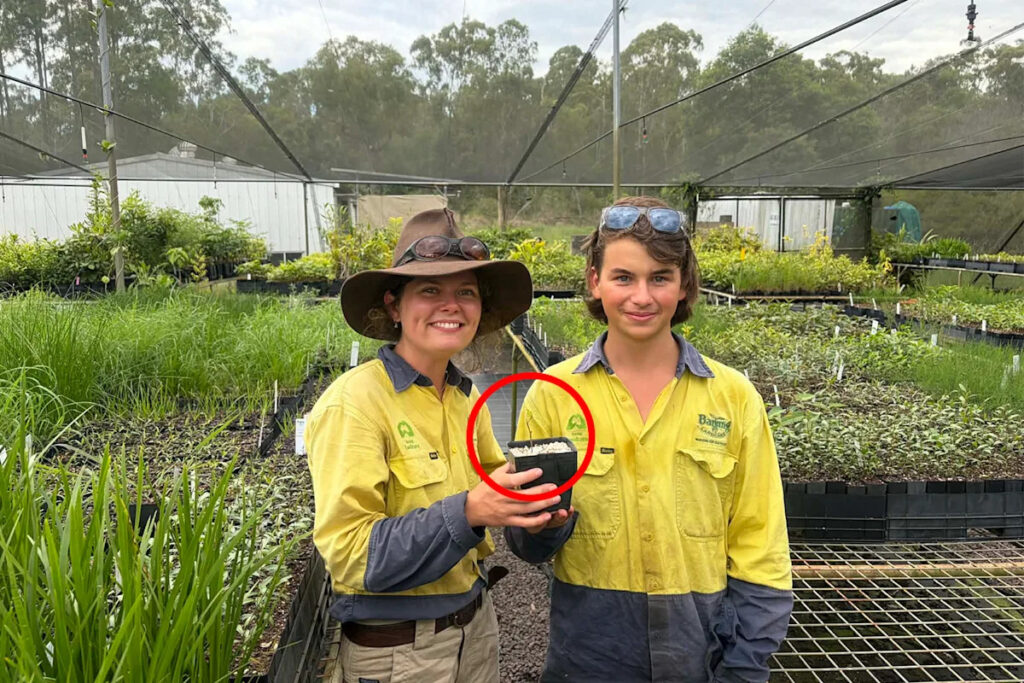
An Australian nursery has achieved a significant milestone in the fight to save the critically endangered Rhodamnia zombi, a rare native tree at risk of extinction due to the invasive myrtle rust. The Barung Landcare Nursery in Queensland successfully propagated 50 cuttings of the tree, marking a crucial step in conservation efforts.
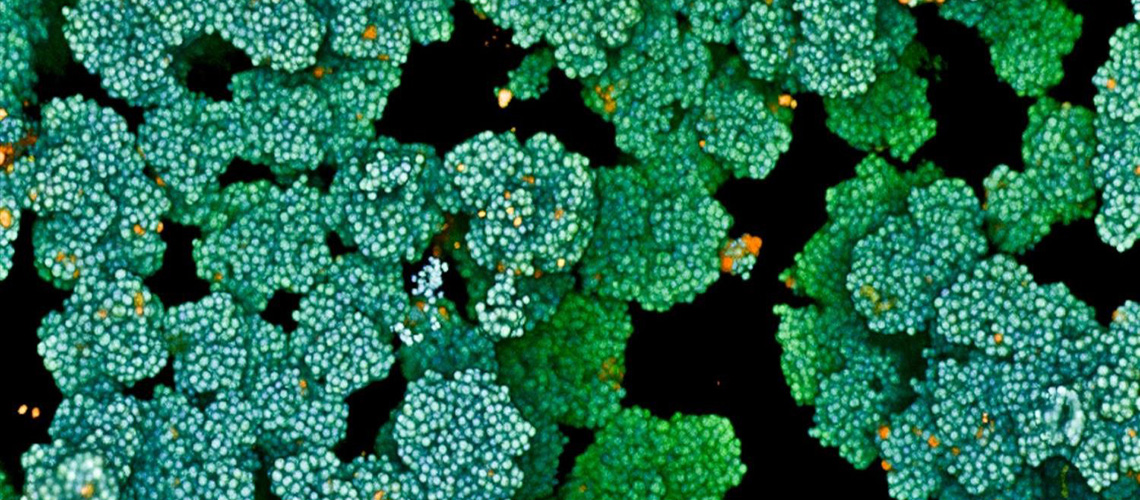
The Rhodamnia zombi, found in the rainforests of Queensland, is under threat from myrtle rust, a fungal pathogen that thrives in moist conditions and has affected over 100 plant species since its introduction to Australia in 2010. The tree’s name reflects its precarious “living dead” status, which conservationists hope to reverse.
Challenges in Propagation
Alexandra Hayes-Hatten from Barung Landcare Nursery expressed her excitement about being part of the initiative to save Rhodamnia zombi. “This is just one of the few plants being hammered by it,” she said, emphasizing the human responsibility to counteract the damage caused by the accidental introduction of myrtle rust.
The nursery faced significant challenges in propagating the tree, as Rhodamnia zombi had never been grown from cuttings before. Hayes-Hatten explained, “There are some plants you just can’t grow from cuttings, and you have to grow them from seed.” The team experienced a nerve-racking period as many cuttings failed to take root, but eventually, five plants began to grow successfully.
“It was nerve-racking. But then to see a few continue on, we thought, Oh my God, we’ve got something,” Hayes-Hatten said.
Broader Implications and Conservation Efforts
Myrtle rust poses a severe threat to at least 17 plant species, with the University of Queensland warning that these species could face extinction within a generation without intervention. Professor Rod Fensham, a botanist at the university, noted that since the first assessment of Rhodamnia zombi in 2020, 10% of the trees have died, and the remaining ones are unable to flower or fruit due to the rust.
Professor Fensham’s research, published in the journal Austral Ecology, highlights the ongoing impact of the pathogen, which attacks and kills young shoots, preventing the tree from growing or reproducing. The nursery aims to improve its propagation success rate and plans to collect seeds from areas where flowering has been observed.
“The bright yellow fungal pathogen attacks and kills off its young shoots over and over again, meaning an infected tree can’t grow or reproduce and eventually dies,” Professor Fensham explained.
Future Conservation Strategies
Once mature, the propagated trees will either be returned to their natural habitat or relocated to new areas to establish insurance populations. This strategy aims to safeguard the species against further decline.
While Rhodamnia zombi remains too rare for public distribution, other threatened species from the Sunshine Coast are available for purchase. Hayes-Hatten mentioned Buderim Holly as an example of a plant that grows in limited locations and can be supported by the public through planting.
“People can help by planting them,” Hayes-Hatten encouraged, highlighting the role of local Landcare groups in making rare plants accessible.
The announcement of this breakthrough comes as a beacon of hope for conservationists and highlights the ongoing need for concerted efforts to protect Australia’s unique flora from invasive threats.