



Nearly three weeks after Iran implemented one of the most severe internet shutdowns in history, some of the country’s 92 million citizens are starting to regain online access. However, this access remains heavily regulated, underscoring the government’s ongoing efforts to control information flow amidst widespread protests.
The internet blackout, initiated on January 8, was widely perceived as a strategy to curb the dissemination of information regarding the government’s crackdown on demonstrators. Iranian Foreign Minister Abbas Araghchi justified the shutdown, citing “terrorist operations” as the cause. Despite recent signs of restored connectivity, independent analyses suggest that much of Iran remains isolated from the global digital landscape.
Controlled Connectivity and Selective Access
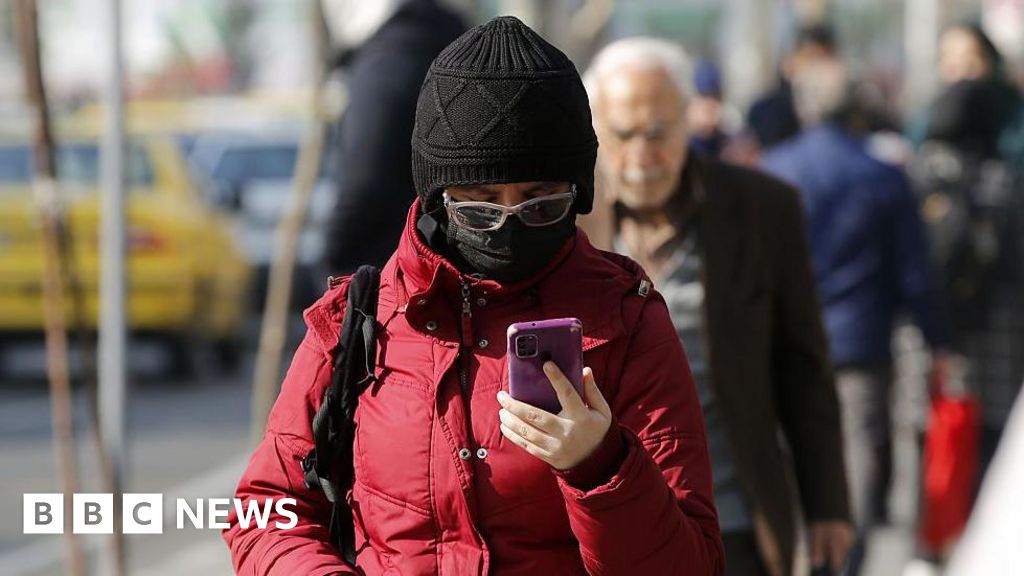
According to reports from Iran’s reformist Shargh newspaper, some officials have claimed that mobile internet services have been reinstated. However, the reality for many users is far from normal. Access is intermittent, often requiring multiple attempts and lasting only for brief periods. Companies monitoring internet traffic have observed erratic usage patterns, raising questions about who can connect and under what conditions.
“What we’re seeing isn’t a return to normal,” said Doug Madory, director of internet analysis at Kentik, a network intelligence firm.
Major platforms are being allowed and blocked at different times during the day.
This pattern suggests that authorities might be testing a new system to control web traffic dynamically.
Amir Rashidi, director of cyber security at the Miaan Group, indicated that only a select group of government-approved individuals have consistent access. Human rights organizations argue that such stringent control over internet access has significantly hindered the flow of information about the protests.
Impact on Human Rights and Information Flow
The Human Rights Activists News Agency (HRANA) reported that as of January 26, they had confirmed the deaths of 5,925 protesters, with the actual toll potentially much higher. The restricted internet access has made it challenging to verify and disseminate information about the ongoing unrest.
Internet rights observers suggest that the unrest has provided the authorities with an opportunity to expedite long-planned measures to tighten internet control, which might have faced stronger resistance under normal circumstances. According to sources cited by Shargh, internet access in Iran has been stratified into multiple levels, from complete shutdowns to limited connectivity, with foreign messaging apps like WhatsApp remaining restricted.
Intermittent Connections and VPN Usage
Despite restrictions, some users have reported sporadic access to international services like Google Meet and Telegram, often using virtual private networks (VPNs) to bypass blocks. Rashidi noted that even limited data transmission can enable VPN functionality, though authorities are actively working to prevent their operation.
“As long as there is any ability to transmit even a single bit of data, it is possible to find ways to use VPNs,” Rashidi explained, though he emphasized the government’s determination to control connectivity.
Economic Ramifications of the Shutdown
The prolonged internet disruption has also taken a significant economic toll. Iran’s Minister of Communications, Sattar Hashemi, stated on January 26 that the daily financial losses due to the shutdown amount to nearly five trillion tomans ($35 million; £25 million). In response to mounting economic pressure, authorities have introduced controlled internet access for certain businesses.
Business leaders reported to the BBC that in some cities, members of the Chamber of Commerce receive 20 to 30 minutes of unfiltered internet access per day. However, this access is heavily monitored and requires multiple stages of identity verification. A Tehran Chamber of Commerce member, speaking anonymously, described the access as “fully rationed and strictly time-limited.” Failure to complete tasks within the allocated time necessitates repeating the verification process.
Moreover, some businesspeople have been required to sign commitments not to share files related to the protests, further illustrating the extent of governmental control over information.
Looking Forward
As Iran navigates the complexities of restoring internet access while maintaining control, the situation remains fluid. The government’s approach to connectivity reflects broader efforts to manage dissent and information flow, with significant implications for both human rights and economic stability. Observers continue to monitor developments closely, as the world watches how Iran balances these competing priorities in the face of ongoing domestic and international scrutiny.