



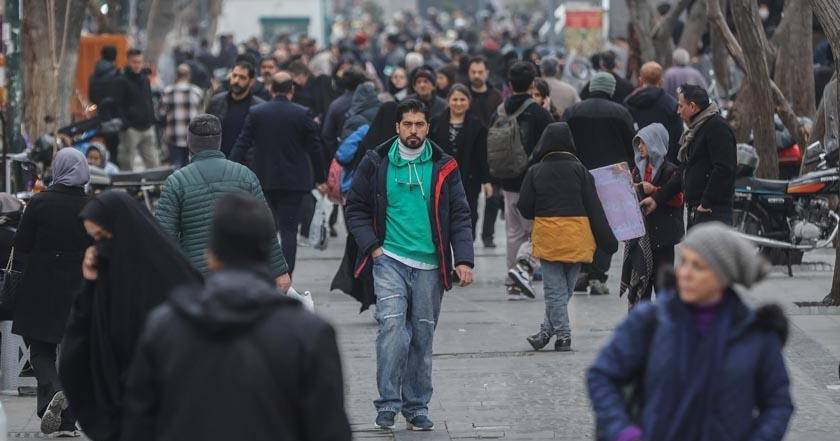
The Iranian government’s recent response to widespread protests has been marked by a calculated use of overwhelming force, aiming to quash dissent both physically and psychologically. This strategy, characterized by a large-scale killing of protesters, is not merely a panicked security response but a deliberate effort to deter future demonstrations.
By framing protest as an act that guarantees death, the state seeks to instill fear, making participation seem irrational. This approach is further reinforced by a nationwide internet shutdown, which isolates protesters, disrupts communication, and fractures collective will. As information channels collapse, individuals are left to face fear alone, making the decision to protest feel like a solitary, suicidal gamble.
Repression and Loyalty
The violence witnessed on January 9 and 10 also serves to consolidate power internally. By linking the survival of the political system to the actions of those enforcing repression, the state creates a dynamic of forced loyalty. Security forces become so deeply involved in violence that retreat is not an option, binding their survival to the regime’s continuation.
This “scorched earth” approach frames the conflict as a total struggle between “us” and “them,” with protesters cast as enemies rather than citizens. In such a framework, compromise is seen as betrayal, and violence becomes the only language of governance.
Muddying the Waters
The Islamic Republic’s strategy of repression includes using plainclothes forces and paramilitary units, blurring the line between state and society. This tactic reframes repression as “people against people,” allowing the state to deflect responsibility while deepening social fragmentation. Protesters are dehumanized through labels such as “rioters” or “terrorists,” normalizing brutality and casting doubt on the legitimacy of dissent.
Slain senior Revolutionary Guard commander Hossein Hamedani once boasted, “They are not afraid of blood,” highlighting the role of convicts and thugs in suppressing protests.
Bureaucratic Repression and International Implications
The machinery of repression in Iran has become increasingly bureaucratic, with killings absorbed into routine procedure. Statements from military and security institutions indicate that the deaths of protesters are viewed as necessary for preserving the political order. This approach exposes a deeper vulnerability: a system reliant on control and coercion is unsustainable in the long term.
A crisis in domestic security cannot remain contained indefinitely and will eventually generate external pressure and international consequences. The current crackdown is not a temporary measure but the culmination of a long shift from governance to confrontation.
Deception as Strategy
The Iranian regime’s use of deception extends beyond its borders, influencing foreign policy and international negotiations. Concepts such as maslahat (expediency) and political taqiyya (concealment) have become governing principles, allowing the regime to manipulate perceptions and buy time.
Iran’s best-known diplomat, Mohammad Javad Zarif, once boasted that his team had deliberately “managed” international perceptions, highlighting the strategic use of misrepresentation.
Global Diaspora Mobilization
In response to the crackdown, Iranian communities worldwide have mobilized in solidarity with protesters inside Iran. From Toronto to Melbourne, large-scale demonstrations have taken place, with participants carrying Iranian national symbols and banners. These gatherings, organized primarily by nationalist and monarchist groups, signal the diaspora’s continued connection to events in Iran.
Despite legal and political restrictions in some countries, protests have occurred in cities across Europe, North America, and Oceania. Organizers note that geography has not severed their ties to their homeland, and the demonstrations serve as a reminder of the global Iranian community’s resilience.
Challenges and Future Prospects
The Iranian government’s reliance on force and deception poses significant challenges for both domestic and international actors. As the regime continues to suppress dissent and manipulate narratives, the potential for further unrest remains high. The international community must navigate these complexities, balancing pressure with diplomacy to address the root causes of Iran’s internal strife.
Ultimately, the future of Iran hinges on its ability to reconcile governance with the demands of its citizens. The current strategy of repression may provide short-term stability, but it risks long-term isolation and instability. As the situation evolves, both Iranian leaders and the international community must consider the broader implications of their actions.