



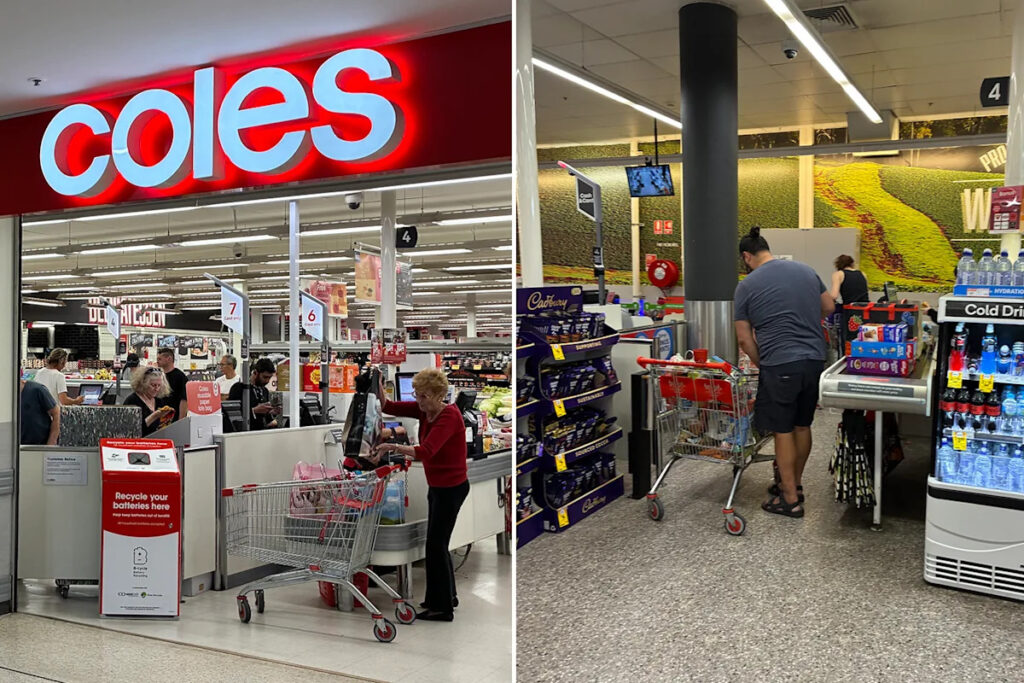
Coles has announced plans to “continue to deepen and expand” its artificial intelligence (AI) capabilities, a move that underscores the growing role of AI in everyday grocery shopping. This announcement follows Woolworths’ recent revelation of a significant upgrade to its AI agent, Olive, designed to enhance the online shopping experience.
The overhaul of Olive is set to transform how Australians shop for groceries, enabling the chatbot to plan meals, interpret handwritten recipes, and automatically fill online shopping baskets with recommended items. This shift is expected to appeal to consumers seeking convenience, particularly as cost-of-living pressures drive households to find more efficient ways to plan meals and shop online.
However, experts caution that AI-driven tools could subtly influence consumer choices, steering them toward specific brands or higher-margin products under the guise of “helpful” recommendations. Coles, meanwhile, is leveraging AI for tasks such as rostering, order replenishment, and tailoring product ranges to specific stores.
Coles’ AI Strategy and Implementation
“Coles has been using AI for more than a decade to support how we run the business, and we’re continuing to deepen and expand those capabilities,” a spokesperson told Yahoo News. “We were an early adopter in areas like computer vision, machine learning, optimisation and now generative AI. We deliberately blend traditional and generative AI to deliver practical outcomes for our customers and team members.”
Coles’ AI initiatives also extend to its new automated distribution and customer fulfilment centres, which are revolutionizing the flow of stock into stores and enhancing the online home delivery experience. In a notable move, Coles became the first major Australian retailer to deploy ChatGPT Enterprise at scale, initially for internal use to accelerate research, reduce administrative tasks, and provide data insights.
The Broader AI Trend in Retail
This push reflects a wider trend in Australia, with companies across sectors like retail, banking, logistics, and professional services rapidly expanding their use of AI. Businesses are increasingly turning to generative AI to automate routine tasks, analyse large volumes of data, and personalise services, often outpacing the ability of regulators or consumers to fully assess the implications.
While many companies present AI adoption as a productivity enhancer, critics argue that the technology can blur the lines between assistance and influence, particularly in consumer-facing settings like online shopping, where algorithms can shape spending habits and purchasing decisions.
“Coles has previously said its use of AI is guided by a ‘commitment to responsible use’, focusing on ‘ethical and secure use that enhances the work of its teams.'” — Coles Spokesperson
Implications for Consumers and the Industry
As AI tools become more visible to shoppers, scrutiny is expected to intensify over how these systems operate, what they prioritize, and who ultimately benefits. Professor Gal from Sydney University highlighted the potential shift in decision-making dynamics, stating that once AI begins inferring priorities or nudging choices, “decision-making becomes shared,” and influence “shifts from the user to the system.”
According to Professor Gal, effective AI shopping agents require data on past purchases, browsing habits, household details, and lifestyle preferences. This continuous interaction raises concerns about profiling, data retention, and the potential combination of information with other sources.
Looking Ahead
The integration of AI in retail represents both an opportunity and a challenge. As companies like Coles and Woolworths continue to innovate, the focus will be on balancing technological advancement with ethical considerations. Consumers and regulators alike will need to navigate the complexities of AI to ensure that its benefits are realized without compromising privacy or autonomy.
For now, the race to harness AI’s potential in the retail sector is well underway, promising to reshape the shopping experience in ways that are only beginning to be understood.