


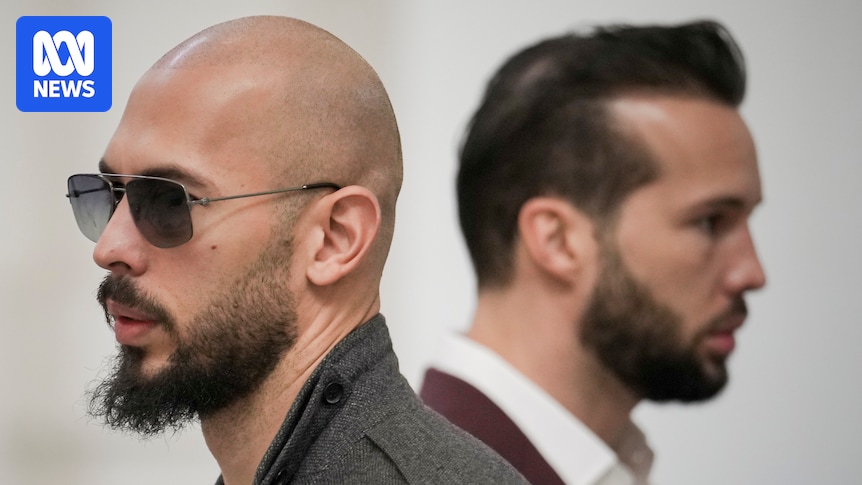
An Australian YouTuber, Nathan Pope, known online as “Gadget,” has successfully defended against a lawsuit filed by Andrew and Tristan Tate in a Florida court. The self-described misogynist influencers are now appealing the dismissal of their case, which included Pope among 15 social media users, advocates, and lawyers.
The lawsuit, initiated in March 2025, targeted Pope due to his YouTube channel, which frequently criticizes the Tate brothers. Pope accuses them of exploiting followers through their subscription-based online education business, “The Real World.”
Background of the Case
Nathan Pope, an Adelaide resident, has been vocal about his concerns regarding the Tates’ influence, particularly on young audiences. “I was researching online and discovered that they were at that time predominantly targeting very young schoolboys,” Pope told ABC News. He described the environment as cult-like, isolating young followers from their families and friends.
The Tates, who have amassed millions of followers online, are no strangers to controversy. Both brothers face serious charges of rape and human trafficking in Romania and the United Kingdom. Despite these allegations, they maintain their innocence, claiming the charges are false and part of a conspiracy to defame them.
Legal Proceedings and Jurisdiction Issues
The lawsuit filed by the Tates in Florida alleged defamation, arguing that their reputation and income were severely damaged by the defendants’ social media posts. According to court documents, “The Tate Brothers consult, advise, and generate income from various business ventures, with revenues estimated in the hundreds of millions of dollars.”
“As a direct consequence of the publication of the false statements … repeated at a minimum recklessly and vindictively to third parties, T. Tate and A. Tate sustained serious personal, financial, and professional injuries,” the documents stated.
However, a Florida judge found that many defendants, including Pope, do not reside in Florida, thus questioning the court’s jurisdiction over them. The judge noted that even if their posts were accessed in Florida, it did not automatically confer jurisdiction.
Reactions and Implications
Pope, who was listed as a “John Doe” defendant due to the Tates’ failure to properly identify him, expressed relief at the dismissal. “Most of us aren’t even from the US. I’ve never been to the US or stepped foot in Florida,” he said.
Christopher B. Hopkins, a lawyer representing several defendants, welcomed the decision. “Defamation cases are supposed to right actual wrongs, not just be litigation to drain someone’s bank account or frighten away any criticism,” Hopkins stated. He emphasized the importance of the court’s stance on jurisdiction, procedure, and fairness.
Despite the setback, the Tates’ legal team has been given 20 days to amend their complaint. The judge specified that any amendment must name actual defendants and be supported by a good-faith, fact-based basis for personal jurisdiction. The Tates’ lawyers have since appealed the decision regarding the “John Doe” defendants.
Looking Ahead
The case is set to return to court next month, with the Tates determined to pursue their claims. Meanwhile, Pope and other defendants are turning to crowdfunding to support their legal defense, anticipating a prolonged legal battle.
This development highlights ongoing debates about the influence of social media personalities and the legal complexities of cross-border defamation cases. As the case unfolds, it may set precedents for how jurisdiction is determined in the digital age, particularly in cases involving international defendants.