


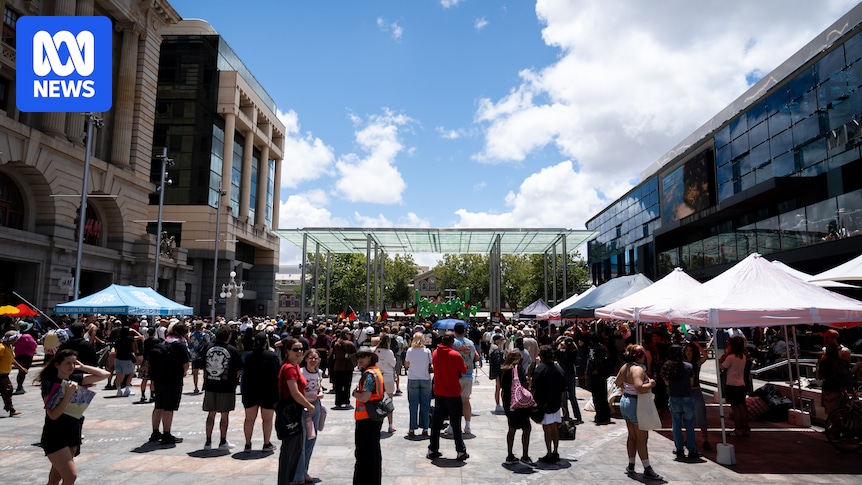
In the days following a narrowly averted mass-casualty event in Perth, political reactions have starkly divided along party lines. The incident, which occurred during the Invasion Day rally, has prompted a mix of condemnation and silence from political leaders, highlighting a broader discourse on safety and community responsibility.
Just hours after police evacuated Forrest Place due to a homemade bomb threat, Premier Roger Cook addressed the media, emphasizing the fragility of peace and the necessity for community vigilance. “When you have this sort of event take place, it really reminds you how fragile the peace and safety that we all enjoy really is,” he stated. “And how we must also recommit ourselves to making sure that we maintain a peaceful and safe community, doing everything we can.”
However, as more details emerged and a 31-year-old man was charged with intent to do harm and making or possessing explosives, opposition leader Basil Zempilas maintained a conspicuous silence. Meanwhile, Prime Minister Anthony Albanese labeled the event a “potential terrorist act” and Indigenous Australians Minister Malarndirri McCarthy described it as “an act of real fear,” urging the community to allow the legal process to unfold without interference.
Reactions and Political Responses
Perth MP Patrick Gorman condemned the incident as an attack on democracy and the rights of Australians to protest peacefully. “It is a fundamental right in Australia’s democracy that people can express their views without threats of violence or terror,” he declared. Other state ministers echoed these sentiments, underscoring the community’s responsibility to protect democratic rights.
Despite widespread condemnation from various political figures, the opposition’s response was limited. Shadow energy minister Steve Thomas briefly addressed the incident, calling it “disgraceful.” The Greens and One Nation also spoke out against the attack, with WA One Nation leader Rod Caddies denouncing the act as a “disgraceful” attempt to harm others.
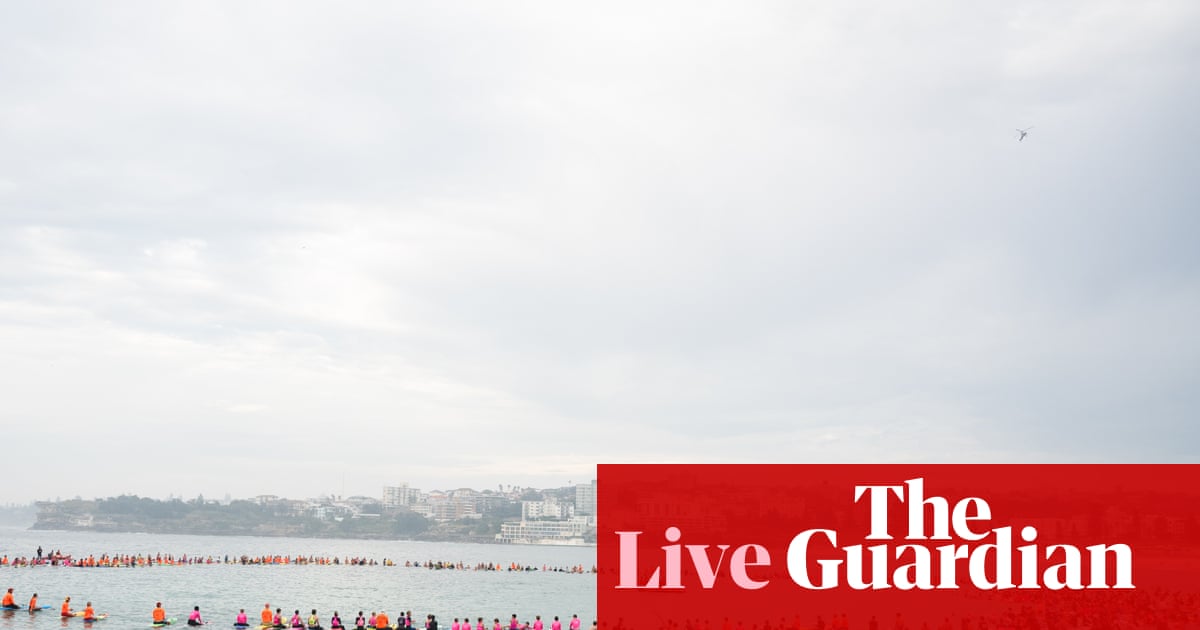
Opposition leader Zempilas, however, refrained from public comment until his weekly newspaper column, where he acknowledged the fear instilled by the alleged actions and affirmed the right of West Australians to protest lawfully. This delayed response drew comparisons to his immediate and frequent reactions to the Bondi terror attack, which resulted in 15 fatalities.
Community and Indigenous Leaders’ Perspectives
The silence from Zempilas and other political figures has sparked criticism from Indigenous leaders and communities, who have expressed anger over what they perceive as a muted response to the Invasion Day incident. Aboriginal and Torres Strait Islander Social Justice Commissioner Katie Kiss remarked that the limited political and media reaction sends a message “that Aboriginal and Torres Strait Islander people do not matter.”
This sentiment has been echoed by various community leaders who feel their concerns are not being adequately addressed. The incident has highlighted ongoing tensions and the need for a more inclusive dialogue on safety and justice for all Australians.
Implications and Future Considerations
The political silence surrounding the bomb threat at the Invasion Day rally raises questions about the responsibilities of leaders in addressing acts of violence and ensuring community safety. As investigations continue, there is a growing demand for consistent and vocal condemnation of such acts from all political quarters.
Looking forward, the incident underscores the importance of fostering a cohesive and proactive approach to community safety, with political leaders playing a crucial role in shaping public discourse and policy. The need for a unified stance against violence and terror, irrespective of political affiliations, remains a pressing issue for Australian society.
As the legal proceedings unfold, the community will be watching closely to see how political leaders respond and whether this incident prompts a broader reevaluation of safety and inclusivity in public spaces.