


An urgent measles alert has been issued for Sydney, with health authorities warning of an “increased risk” of the highly infectious disease. The alert follows the confirmation of a measles case in a traveler returning from Southeast Asia, where outbreaks are ongoing.
According to a statement from NSW Health, individuals who were at Sydney International Airport or Central Station on January 27 should monitor for symptoms of measles. The exposure sites include:
- Cebu Pacific Flight CEB39 from Manila to Sydney International Airport, arriving at 10:50am.
- Sydney International Airport arrivals and baggage claim, from 11:00am to 12:00pm.
- Sydney T8 Train Line from International Airport Station to Central Station, 12:30pm to 1:20pm.
- Sydney T1 Train Line from Central Station to Hornsby Station, from 12:50pm to 2:20pm.
NSW Health has clarified that these locations do not pose an ongoing risk. However, the alert comes amid a broader increase in measles cases within New South Wales, with 14 cases confirmed since December 1, 2025.
Understanding the Threat of Measles
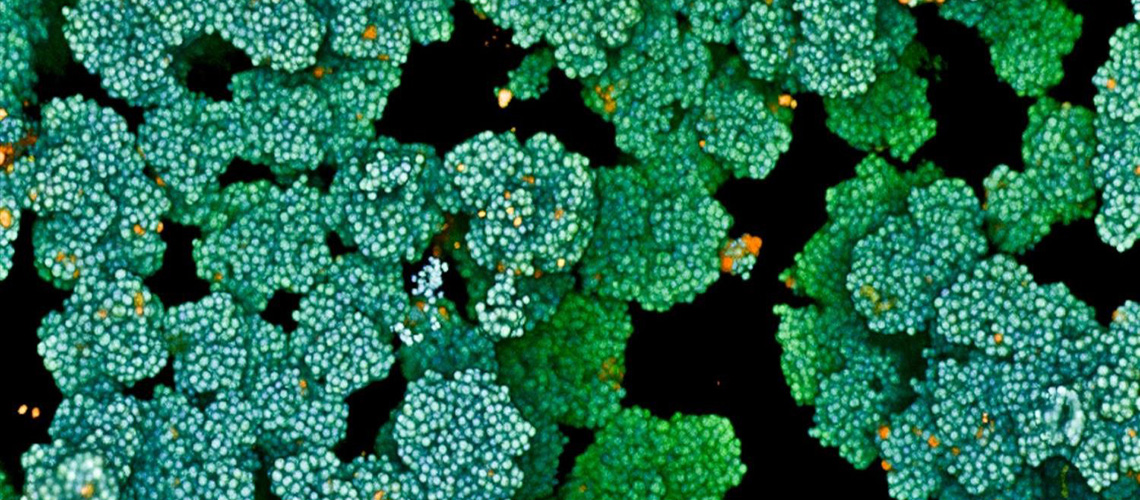
Measles is a highly contagious viral disease characterized by symptoms such as fever, runny nose, sore eyes, and a cough, usually followed by a red, blotchy rash. The disease can be particularly severe in young children and those with weakened immune systems.
Vicky Sheppeard, the Executive Director of Health Protection NSW, emphasized the importance of vigilance. “Symptoms to watch out for include fever, runny nose, sore eyes, and a cough, usually followed three or four days later by a red, blotchy rash that spreads from the head to the rest of the body,” she stated.
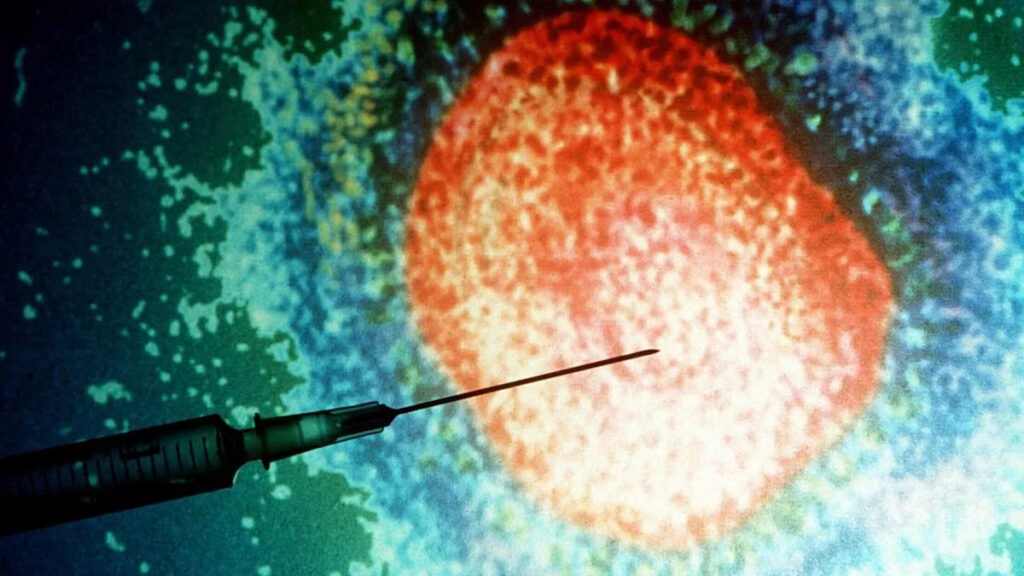
“Importantly, we want to remind the community to make sure they are up to date with their vaccinations. The measles vaccine can prevent the disease even after exposure, if given early enough,” Ms. Sheppeard added.
Vaccination: A Critical Defense
Vaccination remains the most effective defense against measles. Health authorities are urging people to ensure they are vaccinated, particularly before traveling overseas. “Anyone born after 1965 needs to ensure they have had two doses of measles vaccine. This is especially important before overseas travel, as measles outbreaks are occurring in several regions of the world at the moment,” Ms. Sheppeard advised.
Historically, measles was a common childhood illness, but widespread vaccination efforts have significantly reduced its prevalence. However, recent years have seen a resurgence in cases, partly due to declining vaccination rates in some areas.
Global Context and Local Implications
The recent case in Sydney highlights the interconnected nature of global health. As international travel resumes post-pandemic, the risk of infectious diseases crossing borders increases. This development follows similar alerts in other parts of the world, where measles outbreaks have been linked to international travel.
Health experts warn that the current situation in New South Wales could worsen if vaccination rates do not improve. The move represents a call to action for both individuals and health authorities to bolster vaccination efforts and public awareness campaigns.
Meanwhile, the NSW Health website provides a comprehensive list of exposure sites and guidelines for those who may have been exposed. Individuals are encouraged to check these resources and seek medical advice if they develop symptoms.
As the situation evolves, health authorities remain vigilant, monitoring for further cases and potential outbreaks. The community is urged to stay informed and proactive in protecting themselves and others from measles.