
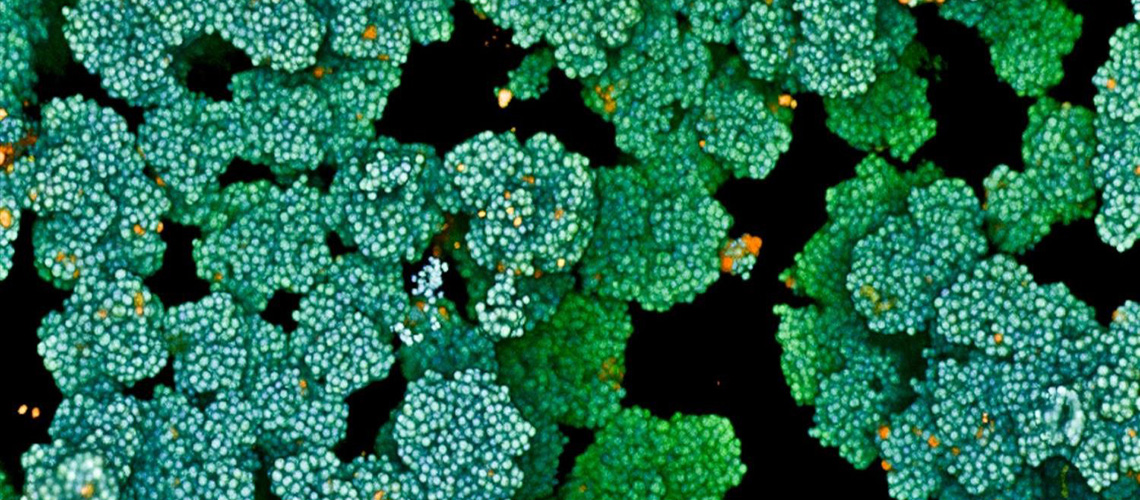




Countries across Asia are intensifying health screening measures following the detection of the deadly Nipah virus in India. Health authorities in India, Thailand, Singapore, Hong Kong, and Malaysia have implemented new testing protocols after two individuals were diagnosed with the virus in West Bengal. The World Health Organization (WHO) reports that the Nipah virus has a fatality rate ranging from 40 to 75 percent in humans, contingent on a country’s ability to effectively test, trace, and treat those infected.
This article delves into what is known about the Nipah virus, its transmission, symptoms, and the measures countries are taking to combat its spread.
Understanding the Nipah Virus
Nipah virus is classified as a zoonotic disease, meaning it is transmitted from animals to humans. Similar to COVID-19 and Ebola, it is primarily spread by fruit bats. According to the WHO, the consumption of fruit or fruit products, such as raw date palm juice, contaminated with urine or saliva from infected fruit bats is the most common source of infection. Human-to-human transmission can also occur, typically among close contacts.
The virus was first identified in 1999 during an outbreak among pig farmers in Malaysia and Singapore. Since then, outbreaks have been reported almost annually in Bangladesh and India.
Symptoms and Complications
Individuals infected with the Nipah virus often experience a sudden onset of flu-like symptoms. The incubation period ranges from 4 to 21 days. Medical experts note that pneumonia and other respiratory symptoms may develop, but the most severe complication is encephalitis, or inflammation of the brain. Patients suffering from encephalitis due to Nipah virus have a higher mortality rate.
Those who recover may endure permanent neurological damage, regular seizures, and even personality changes. In rare instances, the virus can reactivate after recovery. Currently, there is no specific treatment or licensed vaccine for Nipah virus, with intensive care being the primary option for severe cases.
Current Situation in India
Indian health officials have identified two cases of the virus in West Bengal since December. The National Centre for Disease Control has “initiated prompt and comprehensive public health measures” in response. A total of 196 contacts linked to the confirmed cases have been identified, traced, monitored, and tested, all of whom have tested negative and are asymptomatic.
Enhanced surveillance, laboratory testing, and field investigations have been conducted to ensure timely containment of the cases. These are the first cases in West Bengal in nearly two decades, following five fatal infections in 2007. The Australian government’s Smartraveller website advises awareness of the Nipah virus in India and Bangladesh, though it does not specify a particular risk level following the new cases.
“As of December, 750 cases had been recorded in total, with 415 resulting in death,” according to the Coalition for Epidemic Preparedness Innovations.
Regional and Global Responses
Authorities in Singapore and Hong Kong have started temperature checks at airports for passengers arriving from India. Thailand has tightened airport screening measures, with Malaysia following suit. Designated parking bays for aircraft arriving from Nipah-affected areas have been established in Thailand, and passengers are required to complete health declarations before immigration clearance.
Malaysia’s health ministry is enhancing preparedness through health screenings at international entry points, especially for arrivals from at-risk countries. China’s disease control authority has reported no Nipah infections but acknowledges the risk of imported cases. Nepal, sharing a busy border with India, is on “high alert,” having tightened screening for travelers and notified border points with India and China to remain vigilant.
Preventive Measures
The WHO recommends several measures to reduce the risk of contracting Nipah virus, especially when traveling in areas where the virus is prevalent. Recent human outbreaks have primarily occurred in rural or semi-rural regions of India and Bangladesh, with past outbreaks in the Philippines, Singapore, and Malaysia.
- Avoiding contact with bats and infected animals is crucial.
- Wash and peel fruit before consumption.
- Discard fruit with bat bite marks or that has fallen to the ground in areas with fruit bats.
- Maintain proper hygiene, especially when in contact with infected individuals.
As countries continue to bolster their defenses against the Nipah virus, public awareness and adherence to recommended safety measures remain essential in preventing further spread. The situation underscores the importance of international collaboration in managing zoonotic diseases and highlights the need for continued research and development of medical interventions.