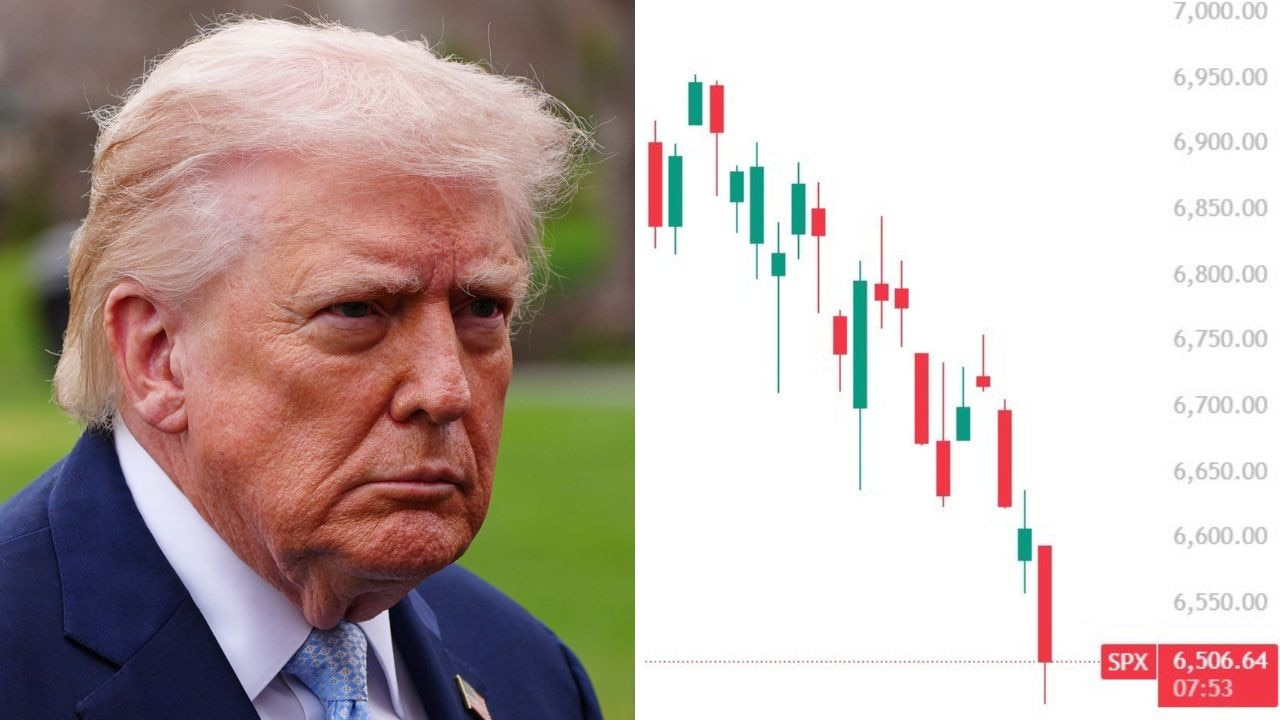

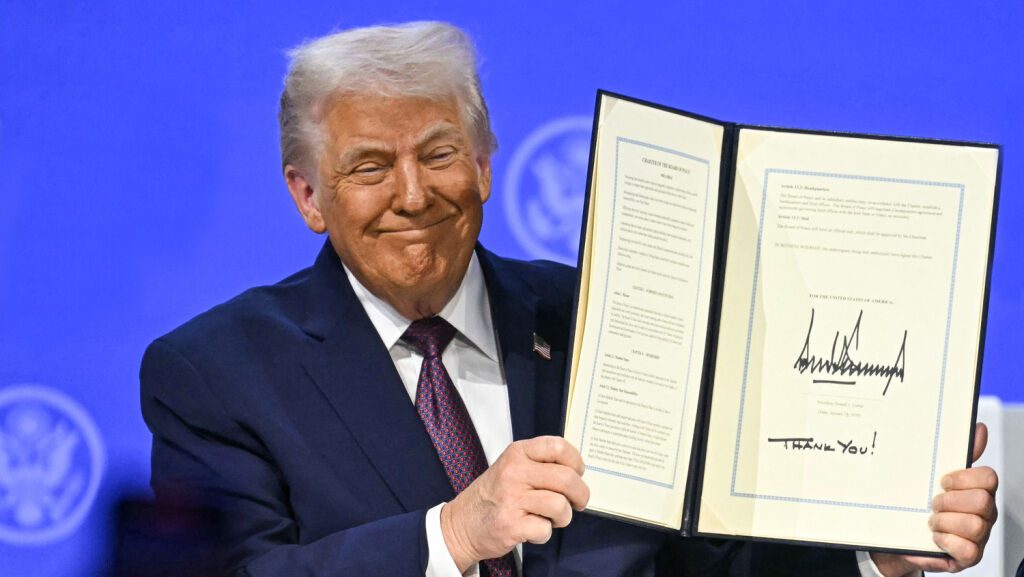
President Donald Trump’s ambitious initiative, the Board of Peace, has encountered significant challenges from the outset. Despite his proclamations of fostering global peace and prosperity, divisions among world powers are intensifying, raising concerns about the potential for a new global conflict.
President Trump officially launched the Board of Peace on January 22 in Davos, Switzerland, with representatives from 19 foreign countries present. “This board has the chance to be one of the most consequential bodies ever created, and it’s my enormous honor to serve as its chairman,” Trump announced. “Today, the first steps toward a brighter day for the Middle East and a much safer future for the world are unfolding right before your very eyes.”
However, European leaders simultaneously discussed employing a “trade bazooka” against the United States and assembling a European Union army to defend Greenland from perceived threats by Trump. Rather than anticipating peace, these leaders are preparing for potential trade wars and conflicts with the U.S.
International Skepticism and Authoritarian Participation
A significant portion of the Board of Peace’s membership comprises authoritarian regimes, with democratic nations like Denmark, France, Germany, Italy, Norway, Spain, and Sweden declining to join. Canada was excluded after Prime Minister Mark Carney’s remarks offended Trump. This has led to criticism that the Board of Peace resembles a coalition of autocrats rather than a genuine peace-building effort.
During a debate at Davos, a moderator highlighted the omission of Russia and Ukraine in discussions about European defense. This omission is noteworthy as President Trump extends invitations to Russian President Vladimir Putin and other autocrats, while European elites focus on defending against U.S. policies.
“We’re talking about, Can Europe defend itself?, and something that is really interesting is we have not said the word Russia or Ukraine, I think, so far in this conversation.”
Historical Parallels and Lessons
The situation evokes memories of historical events where peace proclamations were followed by conflict. In 1938, British Prime Minister Neville Chamberlain declared “peace for our time” after allowing Germany to annex Czechoslovakia’s Sudetenland, only for World War II to erupt months later. This raises questions about whether Trump’s Davos speech might be viewed similarly by future historians.
Herbert W. Armstrong, who attended the United Nations’ inaugural meeting in 1945, observed the contrast between public peace speeches and private disputes. Today, such arguments are more public, with leaders openly discussing a new “era of great power rivalry.”
Economic and Strategic Implications
Following President Trump’s controversial remarks about Greenland, Deutsche Bank warned of the U.S.’s dependence on foreign capital inflows, suggesting Europe could retaliate by selling treasury bonds. In response, Trump moderated his stance, expressing willingness to negotiate a defense agreement with Denmark. Yet, this does not necessarily herald a more peaceful era.
“For when they shall say, Peace and safety; then sudden destruction cometh upon them, as travail upon a woman with child; and they shall not escape” (1 Thessalonians 5:3).
In the May-June 2025 issue of the Trumpet, an article titled “The Fatal Flaw in Trump’s Foreign Policy” criticized the administration’s belief that dialogue alone could resolve conflicts. The failures of dialogue in regions like Gaza and Ukraine underscore the limitations of such an approach.
Comparative Analysis with Historical Peace Efforts
President Trump has lauded the Board of Peace as the “greatest and most prestigious board ever assembled.” However, similar claims were made about the League of Nations and the United Nations. Despite their prestigious beginnings, these organizations struggled with the same human nature challenges that could undermine the Board of Peace.
There are more than 12,000 nuclear warheads on Earth today, so that is no exaggeration. Burying our heads in the sand and talking about peace will not change this fact.
The world today is arguably more perilous than in 1946, with a greater number of nuclear weapons and geopolitical tensions. Hosea’s prophecy about the leaders of end-time Israel acting like a “silly, senseless dove” resonates with critiques of America’s foreign policy.
As President Trump speaks of “a brighter day” and a “safer future,” the need for genuine and effective peace strategies becomes increasingly urgent. The unfolding geopolitical dynamics suggest that without addressing underlying issues, the vision of global peace may remain elusive.