


Independent MP Sophie Scamps has raised concerns over the upcoming visit of Israeli President Isaac Herzog to Australia, warning it could further divide the nation at a time when unity is crucial. Herzog, invited by the federal Labor government, is scheduled to visit in early February to engage with the Jewish community and survivors of the recent Bondi terror attack, which claimed 15 lives during a Hanukah festival.
Prime Minister Anthony Albanese has expressed his support for Herzog’s visit, stating that the Israeli president is welcome in Australia. However, the visit has been met with opposition from pro-Palestine groups, including the Labor Friends of Palestine lobby, who have urged the government to withdraw the invitation due to Israel’s military actions in Gaza, which have resulted in numerous civilian casualties.
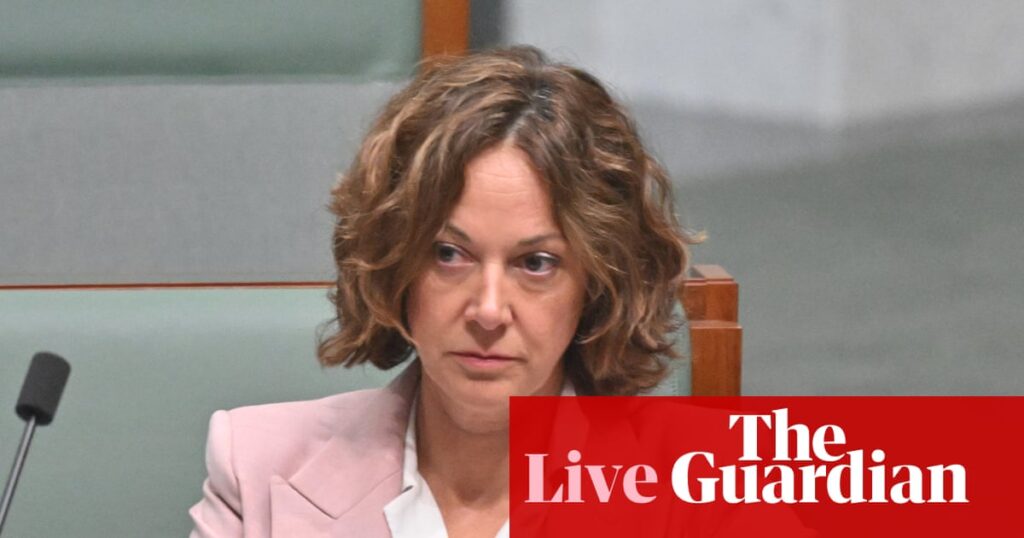
Scamps, representing Mackellar, emphasized the need for focusing on the safety and security of the Jewish community post-Bondi attack. She stated, “Inviting a divisive figure, even a head of state, can only invite division and further risk.”
Historical Context and International Reactions
The visit comes in the wake of a United Nations commission’s findings in September 2025, which accused Israel of committing genocide in Gaza. The commission’s report, which does not represent the UN’s official stance, implicated Herzog and other Israeli leaders in inciting genocide. Israel’s foreign ministry has dismissed the report as “distorted and false,” attributing it to “Hamas falsehoods.”
Herzog has defended himself against these accusations, labeling the genocide claims as a “form of blood libel” and asserting that his comments were taken out of context. He reiterated Israel’s commitment to international law and condemned the killing of innocent civilians.
Implications for Australian Social Cohesion
Scamps argues that Herzog’s visit could exacerbate tensions within Australia, particularly in the aftermath of the Bondi attack. “Inviting a foreign head of state who has been found to have incited the commission of genocide risks deeply dividing the Australian community,” she said. “Now more than ever, we should be doing everything we can as a nation to come together.”
Pro-Palestine groups have echoed these concerns, emphasizing the need for the Australian government to prioritize social cohesion and the safety of all communities. The debate highlights the broader challenges faced by Australia in balancing international diplomacy with domestic unity.
Broader National Conversations
Meanwhile, the political landscape in Australia is witnessing other significant developments. Liberal senator Andrew Bragg has defended former Prime Minister Scott Morrison’s controversial speech in Israel, which called for a national register and accreditation for imams. Morrison’s remarks have been criticized by Islamic groups and politicians, including Anne Aly, who described them as “absolutely abhorrent” for perpetuating stereotypes against Muslim communities.
Bragg, however, insists that the community’s support is essential in addressing the “mutation of this religion” that has led to past incidents of terrorism. He advocates for training imams in Australia and fostering stronger relationships with security agencies.
Future Steps and National Priorities
As Australia navigates these complex issues, the focus remains on fostering a united front. The government is urged to consider the implications of international visits and speeches on domestic social dynamics. The upcoming consultation period on changes to My Health Record, aimed at enhancing transparency in prescription histories, reflects a broader commitment to improving public health and safety.
In the energy sector, the shift towards renewable energy continues to make headlines. Recent data shows a significant drop in wholesale electricity prices due to increased solar and wind power generation, marking a “landmark moment” for Australia’s energy market.
As the nation grapples with these multifaceted challenges, the emphasis on social cohesion and unity remains paramount. The government’s actions in the coming months will be closely watched as Australians seek reassurance and stability in a rapidly changing world.