


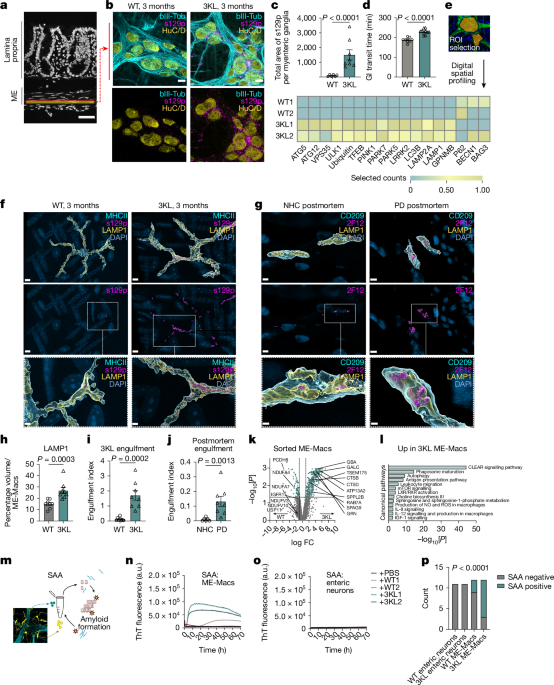
In a groundbreaking study conducted by researchers at University College London, intestinal macrophages have been found to play a significant role in modulating synucleinopathy along the gut-brain axis. This discovery, made through extensive experimentation on mice, could pave the way for new therapeutic approaches to neurodegenerative diseases such as Parkinson’s.
The research was carried out in accordance with the UK Animals (Scientific Procedures) Act 1986 and received ethical approval from the UK Home Office. The study utilized various strains of mice, including C57BL/6J and C57BL/6-Tg(Thy1-SNCA*E35K*E46K*E61K)3798Nuber/J, to ensure a comprehensive analysis of the gut-brain interactions.
Understanding the Gut-Brain Axis
The gut-brain axis is a complex communication network linking the gastrointestinal tract and the central nervous system. Recent studies have highlighted the role of gut microbiota and immune cells in influencing brain health. This new research adds to the growing body of evidence by focusing on intestinal macrophages, a type of immune cell found in the gut.
According to Dr. Maria Greter from the University of Zurich, “The findings suggest that intestinal macrophages could be a target for modulating brain disorders. By understanding their role, we can develop interventions that might prevent or slow down the progression of diseases like Parkinson’s.”
Experimental Approach and Findings
The study involved a series of intricate experimental procedures. Mice were housed under controlled conditions and subjected to various treatments, including tamoxifen administration and tissue isolation for histology and flow cytometry. These procedures were crucial in examining the interaction between intestinal macrophages and synucleinopathy.
Researchers employed techniques such as immunofluorescence and flow cytometry to analyze tissue samples. The results indicated that intestinal macrophages influence the aggregation of alpha-synuclein, a protein associated with Parkinson’s disease, in the brain.
“Our data shows a clear link between gut immune cells and brain pathology,” said Dr. V. Cerovic from the Institute of Molecular Medicine, RWTH Aachen. “This could revolutionize how we approach treatment for neurodegenerative diseases.”
Implications for Neurodegenerative Diseases
The implications of this study are far-reaching. By establishing a connection between gut immune cells and brain disorders, researchers have opened new avenues for therapeutic interventions. The potential to target intestinal macrophages could lead to novel treatments that address the root causes of diseases like Parkinson’s rather than just managing symptoms.
Dr. K. Luk from the Perelman School of Medicine emphasized the significance of these findings: “This research highlights the importance of looking beyond the brain to understand neurological disorders. The gut-brain axis is a promising area for developing new strategies to combat these diseases.”
Future Directions and Research
While the study presents promising results, further research is needed to translate these findings into clinical applications. Future studies will focus on understanding the precise mechanisms by which intestinal macrophages influence synucleinopathy and exploring potential therapeutic targets.
As the scientific community continues to unravel the complexities of the gut-brain axis, this study serves as a reminder of the interconnectedness of bodily systems and the potential for innovative treatments that could improve the quality of life for individuals suffering from neurodegenerative diseases.
The research, supported by ethical guidelines and rigorous experimental protocols, marks a significant step forward in our understanding of the gut-brain connection and its impact on brain health.