



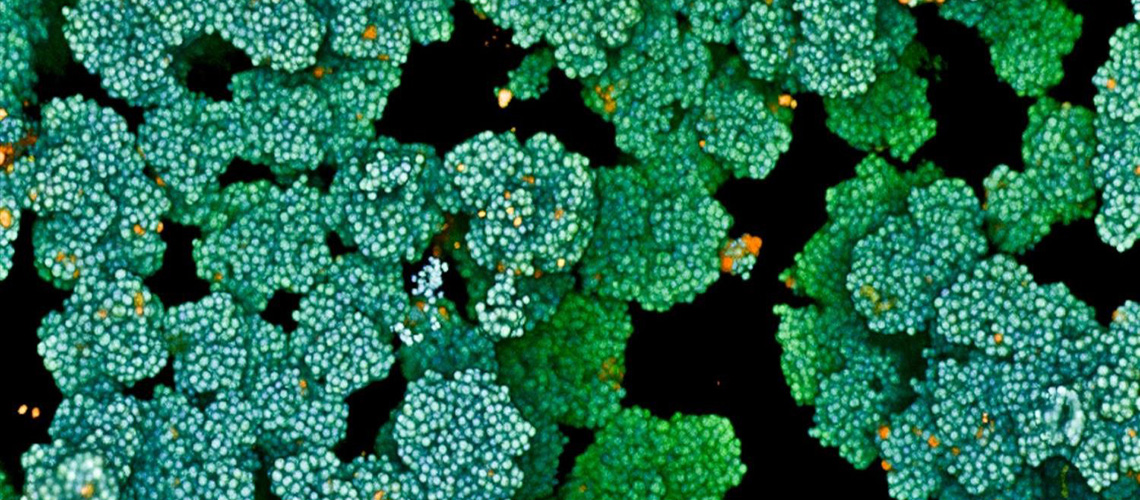

In a groundbreaking study published in Nature Microbiology, scientists have unveiled a novel mechanism by which gut bacteria can directly influence human immune cells. The research demonstrates that certain gut microbes possess the ability to inject proteins into human cells, potentially altering immune responses. This discovery adds a significant layer to our understanding of the complex interactions between gut microbiota and human health.
Researchers have long been aware of the profound impact gut microbes have on various bodily systems, including the brain, lungs, and liver. However, the latest findings highlight a more direct interaction with the immune system. The study reveals that many types of bacteria utilize type III secretion systems, akin to molecular syringes, to deliver proteins into host cells. Previously, these secretion systems were thought to be exclusive to pathogenic bacteria.
Redefining Commensal Bacteria
“This fundamentally changes our view of commensal bacteria,” stated Professor Pascal Falter-Braun, the study’s corresponding author and Director of the Institute for Network Biology at Helmholtz Munich. “It shows that these non-pathogenic bacteria are not just passive residents but can actively manipulate human cells by injecting their proteins into our cells.”
The research team mapped over a thousand interactions between human proteins and bacterial effector proteins. This comprehensive interaction map revealed a preference for bacterial proteins to target pathways in human cells related to immunity and metabolism. Such insights underscore the active role gut bacteria play in modulating human health beyond mere cohabitation.
Implications for Immune Signaling
Further investigations revealed that bacterial proteins could influence specific immune signaling pathways and molecules, such as NF-κB and cytokines, which are crucial in orchestrating immune responses. For instance, cytokine tumor necrosis factor (TNF) is widely used to treat chronic gut inflammation, notably in Crohn’s disease patients.
Genes encoding bacterial effector proteins were found to be highly active in the gut microbiomes of Crohn’s disease patients, suggesting a potential role in chronic inflammation.
This discovery could pave the way for novel therapeutic strategies targeting microbial interactions in the gut, offering new avenues for preventing or treating chronic diseases. The findings also provide a deeper understanding of how gut microbes can exert direct influence over human health.
Broader Implications and Future Research
The revelation that non-pathogenic bacteria can manipulate human cells challenges the traditional perception of these microbes as mere bystanders in the gut ecosystem. It prompts a reevaluation of the symbiotic relationships within our microbiome and their implications for health and disease.
According to experts, this research opens up exciting possibilities for the development of microbiome-based therapies. By targeting specific bacterial proteins or their interactions with human cells, it may be possible to modulate immune responses more precisely, potentially leading to breakthroughs in the treatment of autoimmune diseases and other inflammatory conditions.
As Professor Falter-Braun noted, “This study provides a new perspective on the dynamic interactions between humans and their microbiota, highlighting the potential for therapeutic interventions.”
Looking ahead, further research is needed to fully understand the mechanisms by which bacterial proteins influence human cells and to explore the therapeutic potential of these interactions. As scientists continue to unravel the complexities of the human microbiome, the prospect of harnessing these insights for medical advancements remains a promising frontier.
The findings underscore the importance of interdisciplinary research in microbiology and immunology, as well as the potential for innovative treatments that leverage the intricate relationships between humans and their microbial inhabitants.