



On December 10, 2025, Australia implemented a groundbreaking ban prohibiting children under 16 from creating or maintaining accounts on major social media platforms. This move, spearheaded by the Albanese government, aimed to protect young users from potential online harms. However, as the first month draws to a close, questions arise about the ban’s effectiveness and its real-world implications.
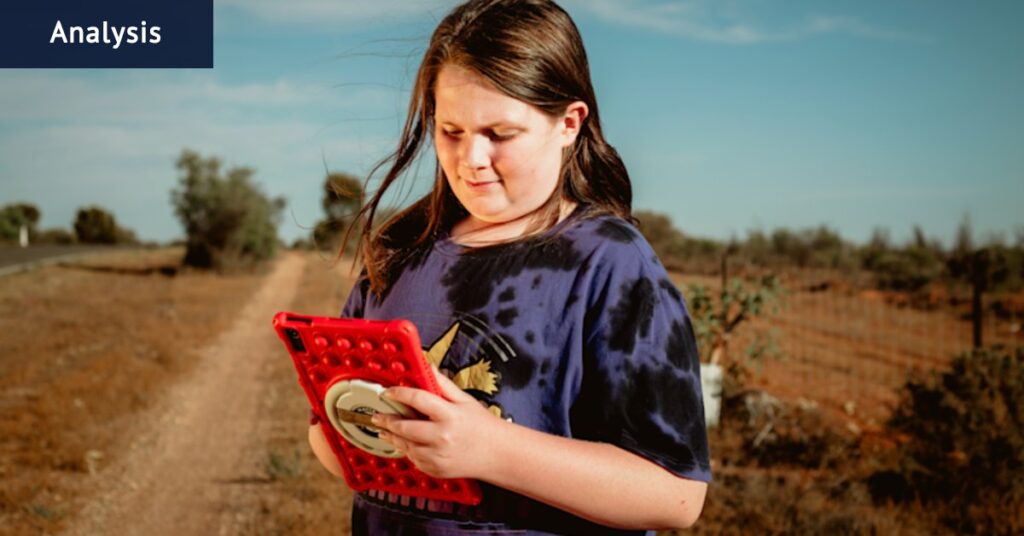
Wyatt Thompson, an 11-year-old from Broken Hill, found himself locked out of YouTube, one of the platforms affected by the ban. Despite this, Wyatt’s screen time has not diminished. “It hasn’t helped me stop using my electronics … I still use them the same amount, but I just go on to Netflix or listen to stuff on Spotify now,” Wyatt shared.
The ban led to the deactivation of approximately 4.7 million accounts, as reported by eight major tech companies. Notably, Meta disclosed that 544,052 accounts on Facebook, Instagram, and Threads, believed to belong to under-16 users, were shut down within a week of the ban’s implementation.
Initial Reactions and Challenges
The government estimated that by late 2024, 95% of teens under 16 and 84% of children aged eight to 12, roughly 2.3 million users, had social media accounts. However, the exact number of underage users affected by the ban remains unclear, as the eSafety Commission has not released detailed figures.
An eSafety spokesperson emphasized the importance of public cooperation in reporting active under-16 accounts to improve age-verification tools. “ESafety is aware of reports some under-16 accounts remain active and encourages the public to report them directly to platforms concerned,” they stated.
Prime Minister Anthony Albanese defended the initiative, stating, “Change doesn’t happen overnight. But these early signs show it’s important we’ve acted to make this change. We want our kids to have a childhood and parents to know we have their backs.”
Technical Hurdles and Loopholes
eSafety Commissioner Julie Inman Grant acknowledged the expected “teething issues” with the rollout of age-assurance measures. She noted that enforcement would focus on systemic failures after thorough investigations, while isolated cases of teenagers circumventing the ban might persist temporarily.
Communications Minister Anika Wells echoed this sentiment, highlighting that the law was not expected to achieve perfection immediately. “We’ve said from the beginning that we weren’t expecting perfection straight away – but early figures are showing this law is making a real, meaningful difference,” she stated.
Fifteen-year-old Bella from regional Victoria, who had previously signed up for multiple platforms with a fake age, reported no disruption to her accounts. “I was just going to wait and see what happened and see if I needed to do any workarounds. But … I was never kicked off,” she admitted, choosing to withhold her surname for privacy concerns.
Social Dynamics and Workarounds
The ban has also affected social dynamics among teenagers. Fourteen-year-old Elliott from Sydney was removed from Snapchat on December 10. He noted that many of his friends, despite being under 16, were not asked to verify their age and continued using the platform. “It’s harder to make plans to go out with other friends that you don’t have their numbers,” Elliott explained.
Despite these challenges, Elliott found a silver lining in spending more time outdoors with friends whose contact information he had. After a month, he managed to rejoin Snapchat using a new email address.
Platforms affected by the ban include Facebook, Instagram, Threads, YouTube, Kick, Reddit, Snapchat, TikTok, Twitch, and X (formerly Twitter).
Parental Concerns and Future Prospects
Parents have also adapted to the new regulations. Michelle Stamper from Melbourne noticed a surge in her 13-year-old daughter’s text messages as teens exchanged phone numbers for the first time. However, many of her daughter’s friends bypassed Snapchat’s facial age estimation scans, a known flaw in the system, and continued using the app.
The ban’s success remains under scrutiny, with ongoing debates about its impact on children’s online safety and social interactions. As Australia leads the way with this regulation, other countries may watch closely to evaluate its long-term effectiveness and potential adoption.
As the government and tech companies continue to refine age-verification technologies, the coming months will be crucial in determining whether the ban achieves its intended goals or requires further adjustments.